























Trump Plans Major Rollback of U.S. Climate and Environmental Policies

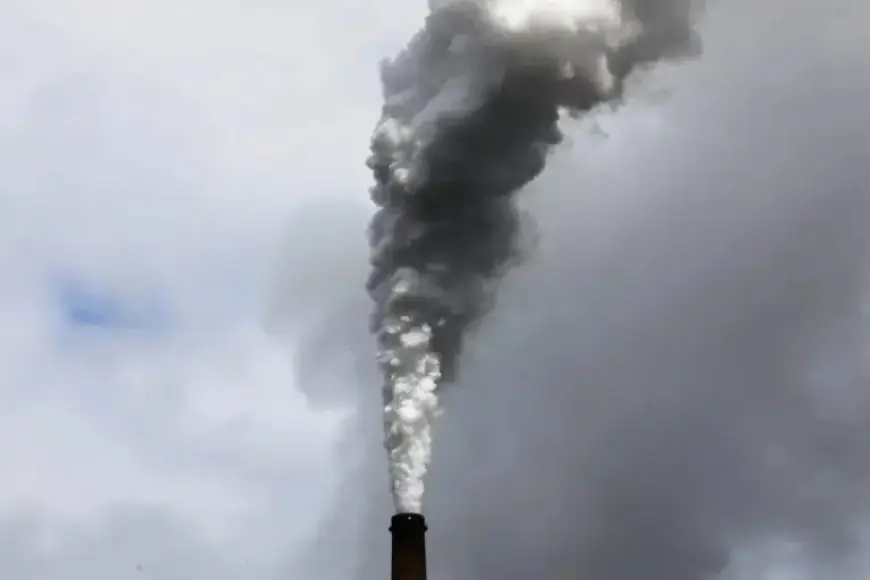
The Trump administration is planning a significant rollback of U.S. climate and environmental policies by revoking a key scientific finding on greenhouse gas emissions. This action is expected to occur this week, as confirmed by a White House official under anonymity.
Details of the Rollback
The Environmental Protection Agency (EPA) will finalize a rule rescinding the 2009 endangerment finding. This declaration, established during the Obama administration, identified carbon dioxide and other greenhouse gases as harmful to public health and welfare. The endangerment finding is the legal foundation for many climate regulations under the Clean Air Act, which governs emissions from vehicles, power plants, and other pollution sources.
Significance of the Endangerment Finding
- Supports regulations aimed at reducing emissions.
- Helps mitigate severe climate-related threats like floods, heat waves, and wildfires.
White House Press Secretary Karoline Leavitt emphasized that President Trump will undertake unprecedented deregulation to enhance American energy independence and lower costs. The planned actions have ignited concerns from environmental groups, who view this initiative as a monumental assault on federal efforts to combat climate change.
Legal Implications and Reactions
Legal challenges are anticipated against any measures that would effectively repeal the existing climate regulations. Critics, including environmental groups, label the rollback as the most significant attack to date on climate policy in the United States. Brigit Hirsch, an EPA spokesperson, stated that the agency is finalizing the new rule, but did not provide a specific timeline for the revocation of the endangerment finding.
Positions on Climate Policy
Trump has labeled climate change as a “hoax” and previously directed the EPA to review the legality of the endangerment finding. Lee Zeldin, a former congressman chosen by Trump to lead the EPA, has criticized past administrations for their climate policies, claiming that they harm the economy.
- Zeldin argues that the endangerment finding undermines economic sectors.
- Opponents such as Peter Zalzal assert that repealing the finding would lead to increased pollution and health care costs.
Scientific Consensus
In response to Zeldin’s proposal, the National Academies of Sciences, Engineering, and Medicine reaffirmed the validity of the original 2009 finding. Their September report noted that the evidence regarding the impact of greenhouse gases on health and welfare is robust and beyond dispute.
The recent legal decisions, including the Supreme Court’s ruling in 2007 affirming that greenhouse gases are air pollutants, reinforce the continuing relevance of the endangerment finding. This ongoing contention highlights the deep divide on climate policy in the United States.
In conclusion, as the Trump administration moves forward with this proposed rollback, the implications for environmental regulation, public health, and climate action will be closely scrutinized by both supporters and opponents of the changes.