























IOC Blocks Ukrainian Athlete’s War Tribute Helmet

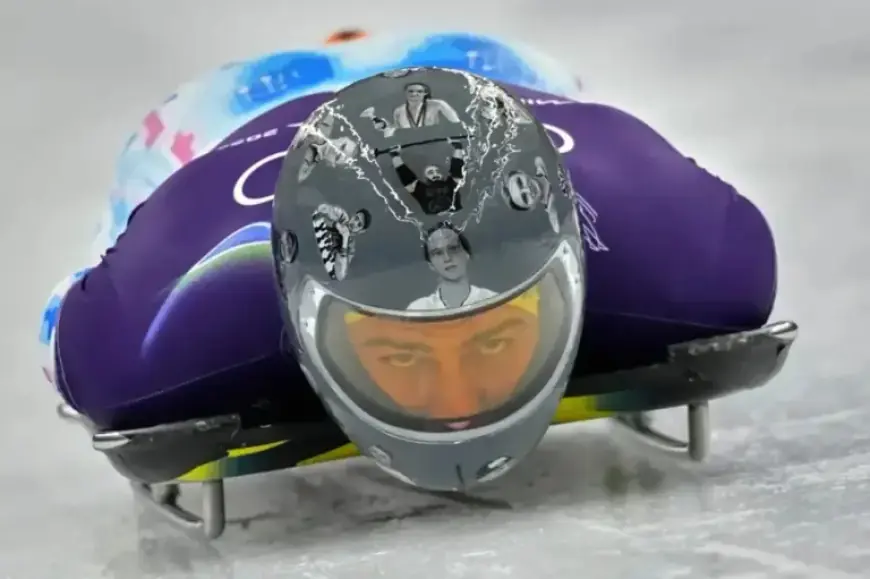
Vladyslav Heraskevych, a Ukrainian skeleton racer, announced on February 10 that the International Olympic Committee (IOC) has prohibited him from wearing a custom helmet at the 2026 Winter Olympics. The helmet symbolizes tribute to Ukrainian athletes who lost their lives during Russia’s ongoing war.
Helmet Design and Meaning
The helmet features portraits of Ukrainian athletes who were killed since the onset of the full-scale invasion by Russia. Heraskevych expressed disappointment in a social media post, stating that the IOC’s decision “breaks my heart.” He emphasized that the ban denies recognition of athletes who are part of the Olympic heritage.
Support from Ukrainian President
Ukrainian President Volodymyr Zelensky voiced his support for Heraskevych. He stressed the importance of the helmet’s imagery, which includes figures like Dmytro Sharpar, a figure skater who died in combat near Bakhmut, and 19-year-old biathlete Yevhen Malyshev, who was killed near Kharkiv.
The Price of Freedom
Zelensky remarked that this tribute serves as a reminder of the heavy toll of Ukraine’s struggle for freedom. He asserted that the truth surrounding these fallen athletes should not be deemed inconvenient or treated as a “political action” in sports.
Context of the 2026 Winter Olympics
The 2026 Winter Olympics began on February 6 and are currently taking place in Milan. Notably, while the national teams from Russia and Belarus are banned, athletes from these countries can still participate in individual events under a neutral flag.
Key Facts
- Date of Announcement: February 10, 2026
- Athletes Honored: Dmytro Sharpar, Yevhen Malyshev
- Location: 2026 Winter Olympics in Milan
- IOC Decision: Helmet ban during competition
This ongoing situation highlights the intersection of sports and current events, raising questions about the role of the IOC in acknowledging significant social issues during international competitions.