
























Companies Announce Rural Newfoundland LNG Plans, Mayor Awaits Consultation

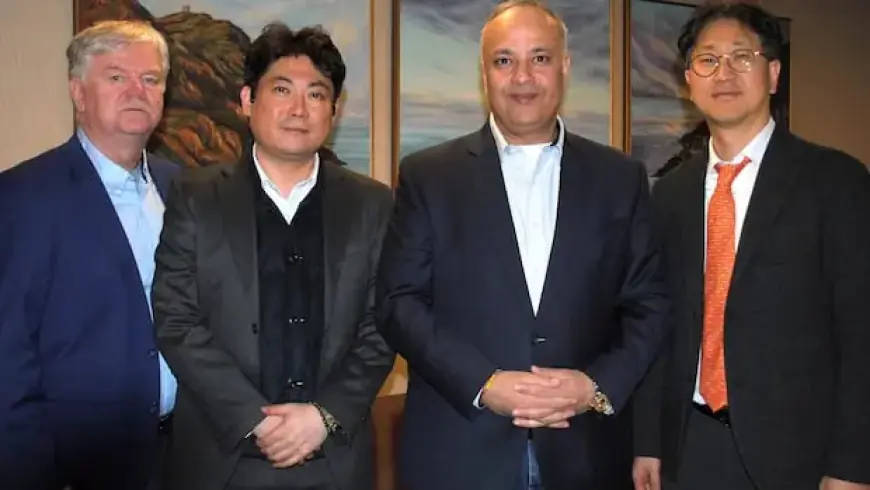
Recent discussions in Newfoundland have unveiled plans for a liquefied natural gas (LNG) operation in the community of Fermeuse. A memorandum of understanding was signed in St. John’s by officials from Hanwha Ocean, a South Korean shipbuilding company, in collaboration with Fermeuse Energy Ltd. The project highlights the potential economic development for this small town, yet sparks concern due to a lack of communication with local officials.
Project Overview and Key Players
The agreement designates Hanwha Ocean as a strategic partner aimed at advancing the LNG initiative. The CEO of Fermeuse Energy, Swapan Kataria, articulated that the operation could unlock approximately 0.3 million cubic meters of gas reserves off the St. John’s coast. This marks what could be Newfoundland and Labrador’s first LNG development.
Local Concerns
Despite the optimistic press releases about the project, Jerome Kenny, the mayor of Fermeuse, expressed frustration over the lack of consultations with his town council. “We haven’t received any information from that company,” he stated. Kenny emphasized that without proper communication, there is no clear progress on the project in Fermeuse.
Impending Decisions
- Equinor’s Role: The advancement of the LNG project hinges on a final decision by Equinor regarding its Bay du Nord offshore oil project.
- Marine Base Plans: Fermeuse Energy has proposed a marine base that was approved in 2022 but does not include a liquefaction hub necessary for LNG operations.
Kataria noted that discussions with Mayor Kenny occurred prior to the LNG project proposal. He asserts it is premature to engage further until Equinor reaches a decisive conclusion about its project’s future.
Investment Costs and Economic Impact
The potential costs for the LNG project are substantial, with estimates ranging from $12 billion to as high as $20 billion. This significant investment underscores the financial commitment involved in establishing the LNG operations.
Fermeuse, with a population of around 266 residents, has faced economic challenges since the cessation of the cod fishery in 1992. Mayor Kenny highlights the community’s need for development. “We need some development,” he said, expressing openness to any viable industrial proposals for the town.
The ongoing situation reflects a balancing act between local community interests and large-scale industrial initiatives. As various stakeholders navigate this complex project, the call for dialogue between the companies and the Fermeuse town council becomes increasingly crucial.