






















Analyzing the Fed Chair’s True Influence: Insights from Planet Money

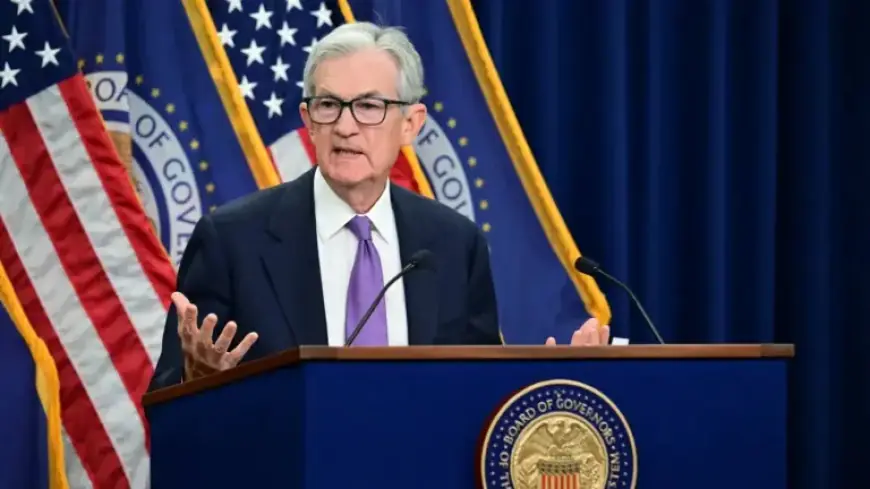
Analyzing the influence of the U.S. Federal Reserve Chair reveals a complex dynamic between authority, tradition, and decision-making. Recent discussions spotlight Jerome Powell and the implications of President Trump’s nomination of Kevin Warsh for the Fed chair position.
The Role of the Fed Chair
The Federal Reserve Chair oversees two critical bodies: the Board of Governors and the Federal Open Market Committee (FOMC). While the chair holds just one of twelve votes on the FOMC, the historical consensus shows that they rarely find themselves outvoted.
Power Dynamics
- The Fed Chair’s role is primarily ceremonial on paper.
- In practice, they wield considerable influence over the economic policies shaped by the Fed.
- Traditionally, the chair provides guidance and sets the agenda for meetings.
Alan Blinder, a former Fed vice chair, emphasizes that even though the chair is one vote among many, they maintain a significant impact on policy decisions. It’s a narrative underscored by historical precedents; the chair has never been outvoted in FOMC decisions.
Institutional Influence
Several factors contribute to the Fed chair’s authority:
- Communication Control: The chair predominantly speaks for the Fed in public dialogues, shaping economic perception.
- Executive Authority: The chair is effectively the CEO of the Fed, influencing staff selections and policy priorities.
- Agenda Setting: The chair controls meeting agendas, determining what issues are addressed and how.
David Wessel, a seasoned economics journalist, notes that the chair’s visibility allows them to shape the discourse around critical economic issues, further solidifying their influence.
Historical Consistency
The historical record supports the notion of the chair’s influence. In recent analyses of FOMC meetings, studies show that policy outcomes align closely with the chair’s preferences, suggesting a consensus-building role rather than a straightforward dictatorial model.
The Future of the Fed Chair Position
President Trump’s choice of Kevin Warsh introduces new variables into the Fed’s influence structure. Although Warsh has been known to advocate for measures against inflation, uncertainty remains regarding his potential alignment with Trump’s economic strategies.
Implications of Political Dynamics
Potential conflicts may arise as the new chair negotiates the balance between presidential expectations and the Fed’s commitment to economic stability. Observers are keenly interested in Warsh’s ability to maintain the Fed’s independence amidst political pressures.
The Fed chair’s past results indicate an impressive capacity for consensus, a necessity given the significant repercussions of their decisions. Understanding these dynamics provides insight into the critical economic direction of the United States under the Fed’s guidance.