






















Global Athlete Urges IOC to Impose Tougher Sanctions on Russia

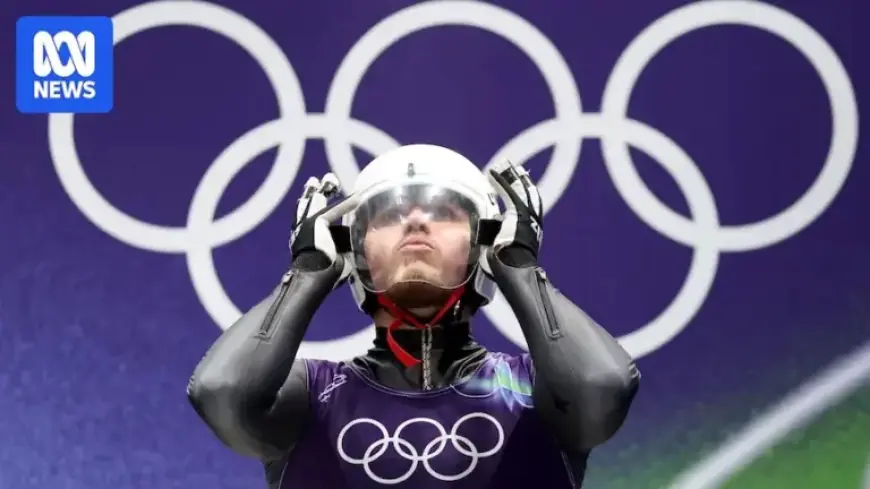
Global Athlete, an advocacy group for athletes, is urging the International Olympic Committee (IOC) to implement stricter sanctions against Russia. This follows the decision to permit 20 athletes from Russia and Belarus to compete in the Winter Olympic Games in Milan, Italy, as Individual Neutral Athletes (AIN).
Concerns Over Athlete Participation
The IOC allowed 13 Russian and seven Belarusian athletes to participate as AIN, raising concerns about the implications of this decision. Global Athlete has addressed a letter to the IOC, highlighting the fact that Russian President Vladimir Putin has exploited sports for political purposes. The organization claims this move undermines the integrity of the Olympic spirit.
- 13 Russian athletes and 7 Belarusian athletes competing as AIN.
- Athletes compete under a teal flag and will not have anthems played in the event of a medal victory.
Accusations Against the IOC
In the letter, Global Athlete states that since the invasion of Ukraine in 2022, sports have been weaponized by Putin. The IOC is accused of enabling his narrative by allowing these athletes to compete. The organization argues that the decision carries significant political weight.
“Now is the time for sport to show leadership, not weakness,” the letter emphasizes. It underscored that Ukraine deserves support, not the endorsement of aggressors.
Historical Context and Impacts
The IOC had previously banned Russia from the Olympic Games after its invasion of Ukraine, which began shortly after the conclusion of the Beijing Winter Olympics. This ban was maintained for the upcoming Paris Olympics, although some AIN athletes were allowed to participate under similar conditions.
- 2022: Russia’s invasion of Ukraine begins.
- Beijing Winter Olympics conclude just before the invasion.
- Paris 2024: IOC maintains ban on Russia.
Critique of the Vetting Process
The athletes allowing to compete as AIN were vetted by their respective sporting bodies, demonstrating no ties to the Russian military or support for the ongoing conflict. However, Global Athlete criticizes the vetting process as insufficient. They argue that these athletes have been trained and funded by state systems that are interlinked with military operations.
“Russian state media will celebrate every AIN medal as a Russian victory,” warned Global Athlete, highlighting the disconnect between the IOC’s actions and the ongoing war.
Calls for Unity and Accountability
Global Athlete has urged athletes, sponsors, and officials from various nations to support their call for stronger sanctions against Russia. The IOC’s recent decisions, including the recommendation for youth athletes to compete in future events, have raised alarms about a perceived loosening of restrictions.
Ukraine’s Minister of Youth and Sports, Matvii Bidnyi, criticized these actions, stating that they send the wrong message. “We must keep this pressure until this war ends,” Bidnyi warned, reinforcing the need for ongoing resistance against normalizing relations with Russian sports.
In conclusion, the dialogue surrounding the IOC’s policies highlights the complex intersection of sports and geopolitics. As the Olympic community grapples with these challenges, the need for accountability and ethical standards becomes increasingly evident.