

























iPhone Designer Criticizes Touchscreens as Ineffective for Car Controls

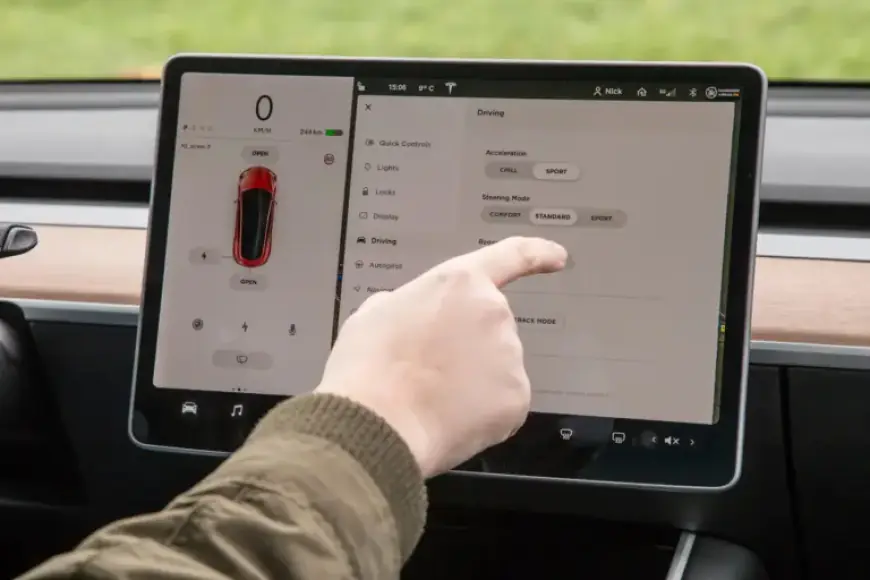
Jony Ive, the influential designer behind the iPhone and iPad, has expressed strong criticism of touchscreens in automotive design. He argues that touchscreens are ineffective as the primary interface for car controls.
Touchscreens: An Ineffective Solution for Cars
Jony Ive believes that touchscreens distract drivers, emphasizing that they require visual attention away from the road. This perspective comes as many automakers have integrated touchscreen technology, largely influenced by the advancements he was instrumental in creating in 2007.
The Impact of Touchscreen Technology
Today, nearly every new car incorporates touchscreens, with Mercedes-Benz leading the trend. Their latest model, the GLC EQ, features a remarkable 39-inch touchscreen. Despite this trend, Ive’s recent work with the Ferrari Luce EV showcases a different approach.
- The Luce EV includes several physical buttons and switches.
- It utilizes one central touchscreen but limits its functionality to enhance driver safety.
- Ive designed the interface to be intuitive, allowing safe use without needing to look away.
Design Philosophy Behind the Luce EV
Ive explained that the decision to include physical controls was intentional. He stated, “Every single switch feels different, so you don’t need to look.” This design contrasts sharply with the increasingly ubiquitous touchscreens in other vehicles.
Fashion vs. Function in Car Interiors
According to Ive, the popularity of touchscreens has often been driven by trends rather than functionality. He remarked that manufacturers viewed touchscreens as fashionable. Each year, they felt pressured to create larger screens, not necessarily aiming to address practical issues faced by drivers.
In summary, Jony Ive advocates for a balanced approach in car design that prioritizes driver safety and intuitive interaction over trendy technology. His insights challenge the current norm and call for re-evaluation of how car interfaces are designed.