

























Canadian Dollar Surges as Speculators Turn Net Long After 2.5 Years

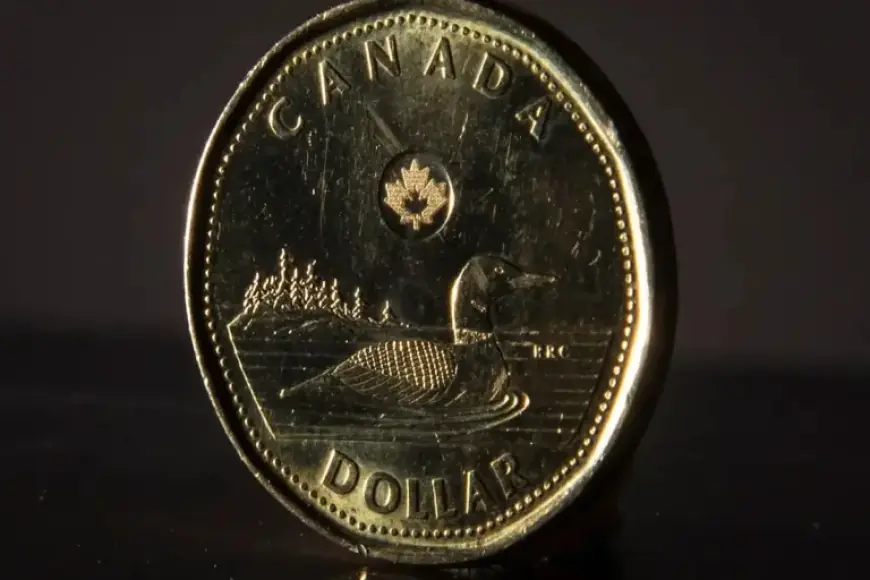
The Canadian dollar (CAD) has recently experienced a significant boost, reaching a 10-day high against the U.S. dollar. This increase was largely driven by a shift in investor sentiment, with speculators turning net-long on the loonie for the first time in two and a half years.
Recent Developments in Canadian Dollar Trading
On Monday, the Canadian dollar traded at 1.3565 per U.S. dollar, equivalent to 73.72 U.S. cents. It peaked at an intraday high of 1.3560, marking its strongest position since January 30. Financial analysts indicate that robust labor market data for January has bolstered the loonie’s appeal.
Labor Market Insights
Despite a surprising decrease of 24,800 jobs in January, all losses were part-time positions. Notably, the unemployment rate fell to a 16-month low of 6.5%. Analysts believe this trend will discourage the Bank of Canada from further interest rate cuts.
Market Influences and Speculator Activity
The recent strength of the Canadian dollar has coincided with a broader weakening of the U.S. dollar, particularly after Chinese regulators suggested that financial institutions limit their exposure to U.S. Treasury bonds. This environment has encouraged speculative positioning in favor of the Canadian dollar.
Speculative Positioning Trends
- Speculative positioning has turned net-long on the Canadian dollar as of February 3.
- Non-commercial net-long positions amounted to 2,130 contracts, a significant swing from the previous week’s net-short position of 16,046 contracts.
- Most adjustments in positioning have historically been bearish; however, recent reports indicate a notable increase in gross long positions since early December.
Shaun Osborne, a chief currency strategist at Scotiabank, noted that this shift reflects a significant liquidation of bearish positions, with gross longs remaining stable.
Impact of Oil Prices
The price of oil, a key export for Canada, also contributed to the loonie’s strength. On Monday, oil prices increased by 1.4% to $64.44 a barrel amidst growing tensions between the U.S. and Iran, raising concerns over potential supply disruptions.
Bond Market Responses
In the bond market, Canadian yields have slightly declined, with the 10-year yield decreasing by 1.6 basis points to 3.394%. This trend may reflect investor reactions to both domestic economic data and international market conditions.
This combination of a rising Canadian dollar, favorable labor statistics, and fluctuating oil prices paints a complex picture of the current economic landscape in Canada.