























Legal Complaint Targets Search of Washington Post Reporter’s Home

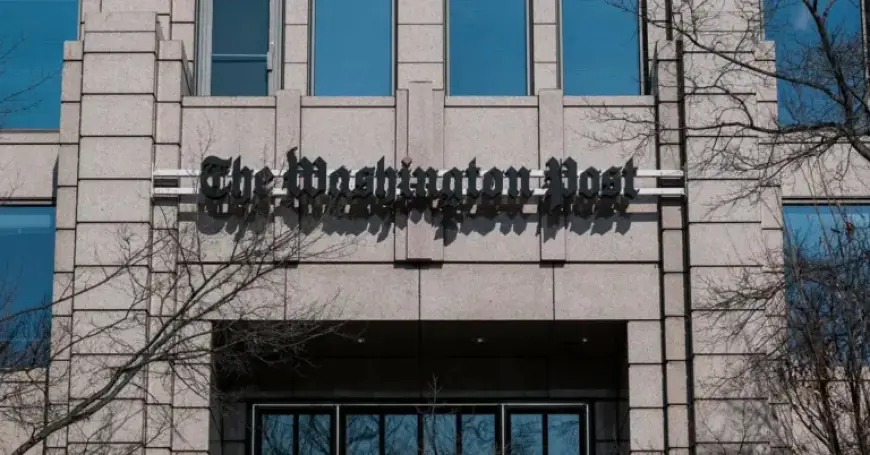
A legal complaint has been filed against a federal prosecutor following a controversial search warrant issued for a Washington Post reporter’s home. The Freedom of the Press Foundation has submitted a disciplinary complaint to the Virginia State Bar regarding this matter.
Background of the Legal Complaint
The complaint targets Gordon D. Kromberg, the prosecutor involved in the warrant application. This search warrant was executed as part of a leak investigation last month, raising serious concerns about press freedom.
The foundation argues that Kromberg failed to inform the magistrate judge about the Privacy Protection Act of 1980. This law restricts government searches for journalistic work products unless certain conditions are met.
Implications of the Privacy Protection Act
- The Privacy Protection Act prohibits government searches for journalistic work products without a personal suspicion of the reporter committing a related crime.
- The law includes exceptions concerning child sexual abuse imagery and violations of the Espionage Act.
In the case of reporter Hannah Natanson, the Justice Department was investigating Aurelio Perez-Lugones, a contractor accused of leaking classified information. Such circumstances further complicate the already tense relationship between government investigations and journalistic integrity.
Comments from Experts
Legal ethics professors highlighted that Kromberg had an obligation to disclose relevant laws when submitting the warrant application. Seth Stern, chief of advocacy at the Freedom of the Press Foundation, emphasized that the issue was significant enough to garner national attention.
The complaint alleges that Kromberg’s omission could not be seen as an oversight, given the public interest in the case. The Justice Department and Kromberg did not respond to requests for comments regarding the complaint.
Legal Actions by The Washington Post
In response to the search, lawyers for The Washington Post and Natanson have filed a lawsuit demanding the return of her devices and data. They argue that the Privacy Protection Act prohibits the government from reviewing her journalistic work that is unrelated to the investigation of Perez-Lugones.
Broader Legal Context
This situation also raises untested First Amendment questions about whether typical news-gathering activities can be criminalized under the Espionage Act. Originally enacted in 1917, the Espionage Act has historically been used against spies, but its implications for journalists remain contentious.
Precedents show that while the government has previously pursued search warrants relating to journalistic materials, the legal framework concerning journalists has evolved. For example, in 2010, the Justice Department sought access to the emails of James Rosen of Fox News but provided a more robust acknowledgment of the Privacy Protection Act at that time.
In light of these incidents, it is clear that the balance between national security and press freedom continues to be a pivotal and controversial issue. The legal ramifications of Kromberg’s actions are still unfolding, and the outcomes of these complaints could have lasting implications for journalism in the United States.