Key Insights into Halifax’s Proposed Transit Plan

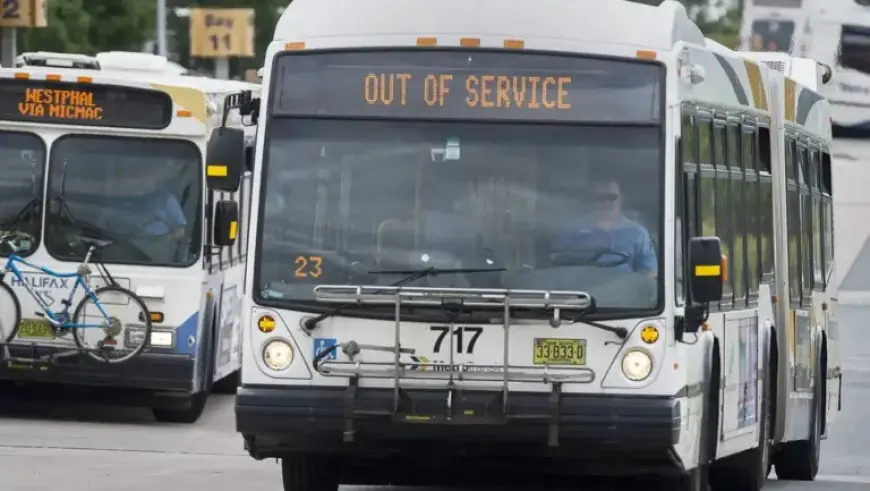
Halifax Transit aims to enhance its service with a proposed $70-million revitalization plan. This marks the city’s first significant transformation of the transit system in ten years. A report outlining the “core service plan” will be presented to the city’s transportation standing committee, suggesting notable alterations to 37% of transit routes.
Key Aspects of Halifax’s Proposed Transit Plan
The proposal, awaiting approval from the regional council, is a response to increasing traffic congestion. TomTom, a navigation technology company, ranks Halifax as the third-most congested city in Canada, trailing only Vancouver and Toronto.
What is the “Core Service Plan”?
- Increased frequency of trips and extended operating hours on key bus routes, especially during peak hours.
- A new bus line is proposed for the West Bedford neighborhood, which is growing rapidly.
- The airport bus service will expand from 22 hours to a full 24 hours of operation.
- The plan serves as short-term relief until a major system overhaul in 2028.
Why is the Revamp Necessary?
The last significant change to the transit system occurred in 2016. This revamp initially boosted ridership until the pandemic hit in 2020, causing a slump in demand. However, ridership levels returned to pre-pandemic numbers in the fiscal year 2023-24.
Halifax’s population is projected to reach nearly 545,000 by 2025. This is about a 15% increase since 2020, as estimated by Statistics Canada. Riders have voiced dissatisfaction with overcrowded buses and service reliability, with on-time performance dropping from 88% in 2020 to 69% in 2025—well below the 85% target.
Financial Considerations
The proposed changes will require acquiring 30 new buses, including a combination of diesel articulated vehicles and electric buses. The capital expenditure for these vehicles is approximately $53 million over the next three years. Operating costs are estimated at $22.1 million, with the funding potentially adding around $63.73 to average property tax bills during the same period.
Transit Usage Trends
On average, Halifax Transit records about 104,000 boardings on weekdays. This reflects an increase of 7,000 boardings compared to 2018, while the number of overcrowded buses has tripled during this time. Saturday ridership has surged by 37% since 2018, despite only one ferry line operating on weekends. Daily ferry ridership ranges from 58,000 to 65,000, showcasing a consistent demand.
Long-Term Strategic Vision
Halifax Transit plans to move away from fixed multi-year transit plans. Instead, a “strategic road map” will be adopted to adapt to changing needs. The roadmap includes a comprehensive service revamp scheduled for 2028, integrating bus services with four proposed bus rapid transit lines. These lines will offer all-day service with fewer stops, improved frequency, and dedicated transit priority features.
This initiative also plans to incorporate the future Mill Cove ferry service connecting downtown Halifax to Bedford into the broader transit framework, enhancing overall connectivity.