

























Ken Kern tribute card in The Lincoln Lawyer sparks questions from viewers

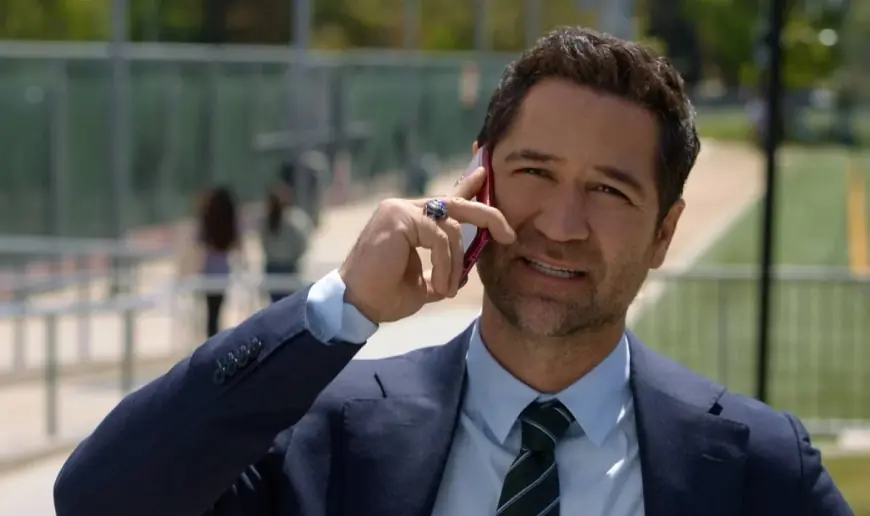
A simple end-credit message—“In Memory of Ken Kern”—has become one of the most talked-about moments from The Lincoln Lawyer’s latest season, prompting viewers to ask who Kern was and why the show chose that specific episode for the dedication. The tribute appears at the close of Season 4, Episode 6, immediately after a storyline that already carries heavy emotional weight, giving the memorial card an added impact.
Early details shared by people connected to the production indicate Kern worked behind the scenes as an accountant on the series. Beyond that, information has been limited, and no public statement has offered a fuller biography or the circumstances of his death.
Who Ken Kern was on the production
Ken Kern was part of the crew that keeps a large television series running smoothly—work that rarely appears on screen, but is essential to making the show possible. Accounting teams manage budgets, payroll, vendor payments, and the day-to-day financial coordination that allows filming to stay on schedule.
In memorial cards like this, the name is typically someone whose work touched the production closely: a cast member, a long-time crew colleague, or a specialist who was part of the show’s ongoing operation. In Kern’s case, the confirmation shared publicly points specifically to a production accounting role.
Why the tribute landed in Episode 6
Tribute cards are often placed in a season premiere or finale, but this one appears at the end of Episode 6—an installment that already centers on loss and its aftermath for key characters. That placement has stood out to viewers because it suggests a deliberate editorial choice: to pair a real-world memorial with an episode that thematically reflects grief and change.
Even when a tribute isn’t tied to the episode’s plot, productions sometimes choose the moment that feels most fitting. In this case, the emotional tone of the episode likely made the dedication feel less like a formal credit and more like a quiet farewell.
What memorial title cards are meant to do
“In memory of” cards serve two purposes at once: they offer a respectful acknowledgement to the person’s family and colleagues, and they preserve a record of the individual’s contribution inside the show’s official release. For crew members—especially those outside public-facing departments—this can be the only recognition a general audience ever sees.
These cards also reflect the community nature of film and television work. People rotate from project to project, but within a production, relationships can be tight and long-running. A single card can signal that someone was deeply valued, even if the public never knew their name.
Why viewers are still searching for details
The limited public information has created a vacuum, and that tends to draw intense curiosity—especially when the tribute appears at the end of a widely watched episode. But behind-the-scenes roles can be hard to track, and families may prefer privacy. Productions also vary in how much they share: sometimes a fuller statement is released, and sometimes the on-screen dedication is the only public note.
It’s also possible that Kern’s career included work across multiple productions, but only one show chose to honor him in a way that reached a mass audience. That can make it seem like the individual is “new” to viewers, when in reality they may have spent decades in the industry.
What happens next for the conversation
If additional information becomes public, it will likely come through a short statement from colleagues or through industry records of his work history. Absent that, the tribute card may remain a brief but meaningful moment—one that highlights how much of a show is built by people audiences never see.
Key takeaways
-
The tribute identifies Ken Kern as a valued crew member, with early confirmation pointing to a production accounting role.
-
The episode placement appears intentional, arriving after a particularly emotional installment.
-
Limited public details are common for behind-the-scenes staff, especially when families and colleagues prioritize privacy.
Sources consulted: Reuters, Associated Press, TV Insider, Radio Times