
























Madison Chock and Evan Bates sit second after Olympic rhythm dance

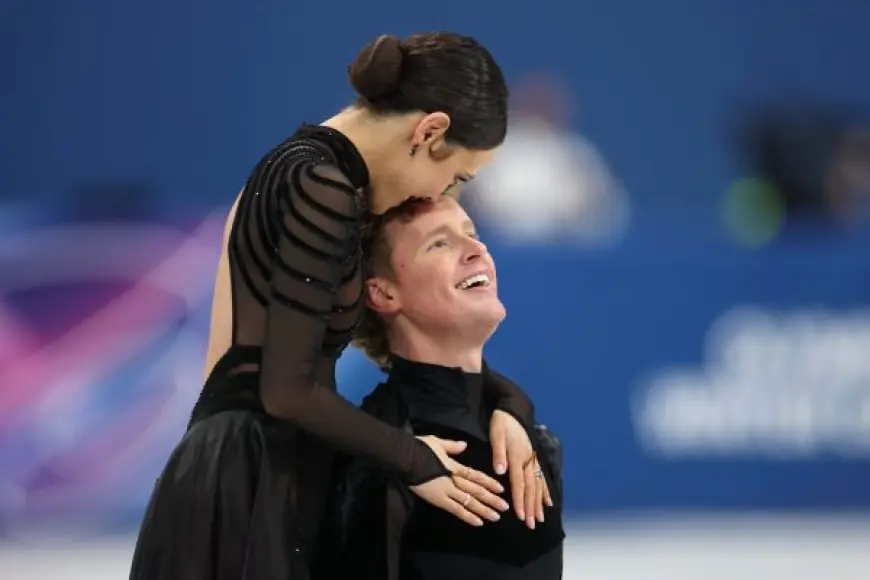
Madison Chock and Evan Bates opened their Olympic ice dance campaign Monday, Feb. 9, 2026, in Milan with a rhythm dance that kept them firmly in gold-medal contention—but not in front. The Americans finished second, fewer than five-tenths behind a French duo that took the early lead, setting up a high-stakes free dance on Wednesday, Feb. 11.
The result lands just a day after Chock and Bates helped the United States win the team figure skating title, adding an extra layer of pressure and fatigue as the individual event begins.
Madison Chock and the tight margin at the top
Chock and Bates posted 89.72 in the rhythm dance, trailing the leaders’ 90.18 after a late-night final group that turned the top of the standings into a game of tenths. A small error on a key step sequence proved costly in a segment where base value, levels, and precision calls can swing medals.
The Americans skated last, and the arena energy was unmistakable. Their program leaned into speed and attack while keeping their trademark polish—enough to stay within striking distance, but not enough to bank the kind of cushion that can take risk off the table in the free dance.
Why the rhythm dance mattered this year
This season’s rhythm dance theme drew heavily from 1990s music and dance styles, pushing teams to balance strict technical requirements with bold stylistic choices. Across the field, the top contenders leaned into distinct identities—runway-inspired choreography, pop nostalgia, and ballroom-influenced movement—while still needing clean, clearly defined elements.
For Chock and Bates, the message from the judges was clear: the quality is there, but the margin for even a minor slip is close to zero when the other favorites skate clean.
“Chock and Bates” balancing team gold and individual pressure
The bigger storyline around chock and bates is the schedule squeeze. They skated both segments of the team event and delivered maximum impact for the U.S., then turned around quickly to start the individual competition. That turnaround is routine at the Olympics, but it’s still a demanding rhythm: competition-grade intensity, limited recovery time, and a fresh set of judges and stakes.
The team title also changes the emotional math. It’s a medal already secured, but it doesn’t replace what the pair has chased for years: the individual Olympic title.
A podium issue adds an unusual wrinkle
Organizers acknowledged a problem with the team medal-ceremony podium surface after skaters raised concerns that it damaged blades and required re-sharpening. Officials said the surface would be replaced and additional services offered to limit disruption for athletes competing again immediately afterward.
It’s an uncommon distraction at this level—especially for ice dancers who rely on immaculate edges—but it appears to have been addressed quickly enough to avoid becoming a larger competitive issue.
What to watch in the free dance
Wednesday night’s free dance will decide the medals, and the math is straightforward: with less than half a point separating first and second, Chock and Bates can win with a clean skate and the right scoring swing on levels and components.
Key takeaways
-
The top two are separated by 0.46 points, essentially within one small technical call.
-
The Americans will need a cleaner execution profile in the free dance to avoid leaving points “on the ice.”
-
The podium-surface fix should reduce equipment-related uncertainty heading into the final.
Sources consulted: International Skating Union, International Olympic Committee, Reuters, Associated Press