





















Small Prophets review: Michael Palin shines in Mackenzie Crook’s new series+

A gentle, oddball comedy with a streak of folklore has arrived on British television, and early reaction suggests it’s the most distinctive new launch of the winter schedule. Small Prophets—created, written, and directed by Mackenzie Crook—pairs everyday provincial life with a surreal premise involving alchemy and tiny prophetic “homunculi,” and it gives Michael Palin one of his most affecting screen roles in years.
The first episode aired Monday, Feb. 9, 2026, at 5 p.m. ET (10 p.m. local time in the UK), with the full season made available for on-demand viewing at the same time.
Small Prophets review: quiet comedy, then a hard left into magic
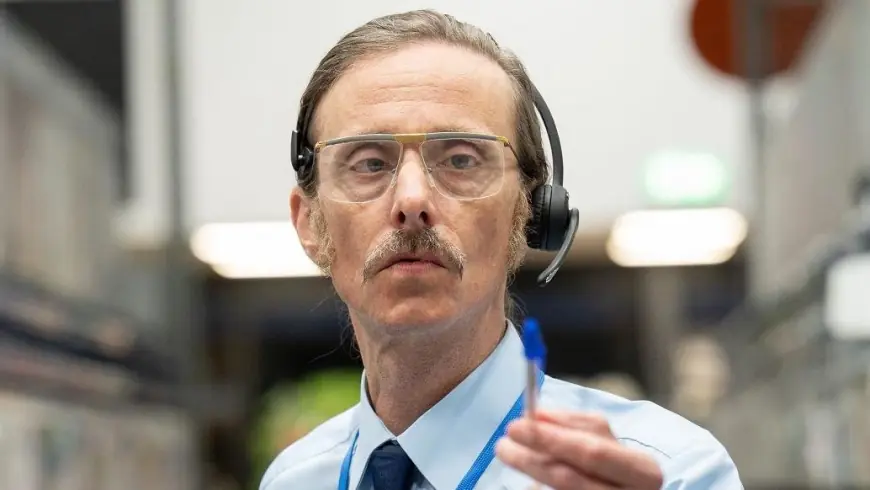
The setup begins in the recognizable key Crook does so well: soft-spoken people, small routines, and the ache of things left unsaid. Pearce Quigley plays Michael Sleep, a withdrawn man stuck in a modest life and still unraveling from the disappearance of his partner, Clea, years earlier. He works at a DIY superstore, drifts through awkward interactions, and avoids the emotional confrontation that everyone around him seems to sense.
Then the story tilts. Michael’s father, Brian (Michael Palin), is slipping into dementia but insists he remembers an alchemical method to create tiny, human-like beings—homunculi—kept in jars and able to offer prophecies. What could have become broad farce stays surprisingly tender. The show uses the supernatural not as a punchline but as a strange route toward grief, guilt, and the hope that answers—any answers—might still exist.
Michael Palin’s performance anchors the whole tone
Palin’s Brian is the emotional engine. He is funny without pushing for laughs, and moving without insisting on tears. The dementia thread is handled with restraint: confusion appears in fragments, and moments of clarity are brief but sharp. The performance matters because the character’s “magical” claims might be dismissed as delusion—except the series nudges you to consider that his mind is reaching for meaning, not nonsense.
It also gives Palin room to do something rarer than nostalgia: to play fragility, tenderness, and a kind of stubborn parental love that won’t admit it needs help.
Mackenzie Crook returns to familiar strengths
If you’ve followed Crook’s work, the tone won’t feel accidental. His best storytelling has always found wonder in the mundane—rusted gates, small rivalries, quiet friendships, the countryside’s eerie edges. Small Prophets stays in that lane while raising the stakes with a slightly darker mystery: what happened to Clea, and why does Michael keep living as if time stopped the day she vanished?
Crook also appears on screen as Gordon, Michael’s boss—an officious, small-power figure whose petty rules and self-importance provide the sharper comedy beats. The character is less a villain than an irritant, which fits the show’s overall refusal to turn people into cartoons.
A story built around grief, not gimmicks
The homunculi hook could have overwhelmed the series, but early episodes treat it like folklore rather than spectacle. The jars, the ritual, the secrecy in a shed—these become a visual metaphor for what the characters are doing emotionally: keeping pain contained, feeding it in private, hoping it will speak back.
That restraint is why the show’s “supernatural sitcom” label feels too small. It’s closer to a fable about aging parents, adult children who don’t know how to be cared for, and the fragile bargains people make with hope.
What to expect if you watch
-
A slow, warm pace with understated jokes rather than big punchlines
-
Magical realism that serves character drama, not special-effects fireworks
-
A mystery element that stays present without turning the show into a thriller
What comes next for the series
The first season runs six episodes, each roughly half an hour, and the early critical response suggests strong appetite for more—though no second season has been confirmed publicly. The immediate question is whether the show keeps its balance: staying grounded in Michael’s grief while letting the folklore deepen without drifting into whimsy for its own sake.
For viewers, the appeal is straightforward: this is Mackenzie Crook making the kind of small, idiosyncratic television that feels increasingly rare—and Michael Palin giving it gravity.
Sources consulted: Financial Times, The Guardian, The Times, Chortle