

























How Athletes Push Limits: The Science of Curling and Skating Excellence

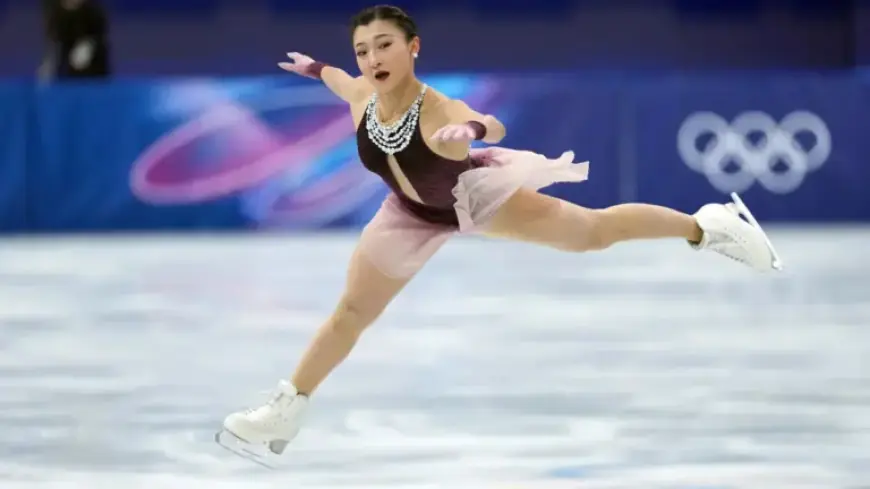
The world of curling and figure skating is governed by complex scientific principles. These two sports showcase how athletes push limits through physics and biomechanics.?
The Science Behind Curling: Unique Conditions
Curling stones play a crucial role in the game. They are crafted from a specific type of Scottish granite. This granite is non-porous, allowing the stones to glide smoothly over the unique “pearl” ice. The interaction between the stone and the ice is influenced by sweeping, which alters friction and affects the stone’s trajectory.
Key Elements of Curling
- Material: Stones made from unique Scottish granite.
- Ice Type: Special “pearl” ice modifies friction levels.
- Impact of Sweeping: Alters the stone’s path during play.
The Mechanics of Figure Skating
Figure skating is another sport where science plays a pivotal role. Athletes perform complex jumps that rely heavily on biomechanics. They must control their center of mass to efficiently accelerate their rotation mid-air.
Biomechanics in Skating
Successful figure skaters must develop their bodies and minds in tandem. They literally retrain their brains to manage balance and avoid losing control during challenging moves.
- Jumps Performance: Involves precise management of the center of mass.
- Brain Training: Essential for overcoming natural disorientation and imbalance.
By understanding these principles, athletes can push their limits. The blend of physics and human biology allows them to achieve excellence in both curling and skating.
For more insights into the science of sports, tune in to Martin Carli, a doctor in neurological science. Catch him on Lagacé le matin, every Monday, as he discusses the nuances of these athletic disciplines.