






















Liam Conejo Ramos Did Not Perform in Bad Bunny’s Super Bowl Halftime Show

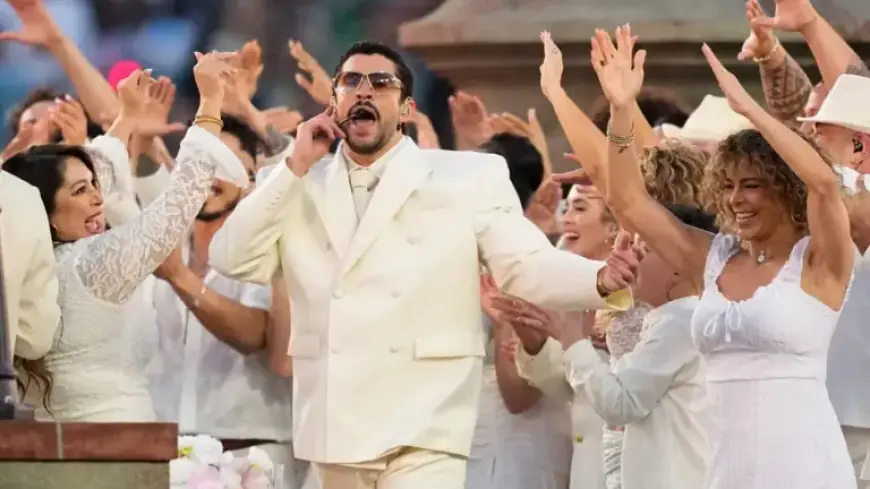
During Bad Bunny’s Super Bowl 60 halftime performance, a significant moment captured attention. The Puerto Rican artist handed a Grammy Award to a young child, igniting speculation online about the boy’s identity. Many believed this child was Liam Conejo Ramos, a five-year-old who made headlines in recent weeks.
Clarification on Liam Conejo Ramos’ Identity
As rumors circulated, a publicist for Bad Bunny confirmed to NPR Music that the child was not Liam Conejo Ramos. Additionally, the Conejo Ramos family’s representative supported this clarification, asserting that the boy on stage was not Liam.
Background on Liam Conejo Ramos
- Liam is five years old and comes from Ecuador.
- On January 20, he and his father, Adrian Conejo, were detained by federal immigration agents in Minneapolis.
- A widely shared photo captured Liam with a Spider-Man backpack and blue bunny hat, symbolizing the harsh immigration policies of the Trump administration.
- After detention in a center in Dilley, Texas, they were released earlier this month.
- The family is currently seeking asylum, amidst federal efforts to terminate their claims.
The viral photo of Liam during his detention has become emblematic for anti-ICE protests in Minnesota, reflecting the ongoing immigration debate in the United States.
Context of Bad Bunny’s Super Bowl Performance
Bad Bunny’s halftime show featured a blend of powerful messages and visuals celebrating Latino culture and community. The performance was particularly significant due to its predominantly Spanish-language content and its commentary on immigration policies.
- During the Grammy Awards, Bad Bunny declared: “ICE out… we’re not savage. We’re not animals. We’re not aliens. We are humans. And we are Americans.”
- His Super Bowl performance continued this theme, expressing solidarity with Latinos and immigrants.
The Super Bowl stage allowed Bad Bunny to voice strong statements, including a tribute to all countries in the Americas, along with the phrase “God Bless America.” This moment was seen as a cultural milestone, highlighting the artist’s influence and the complex narratives surrounding immigration in America today.