

























Unveiling Italy’s 2026 Winter Olympics Mascots: Stoats Tina and Milo

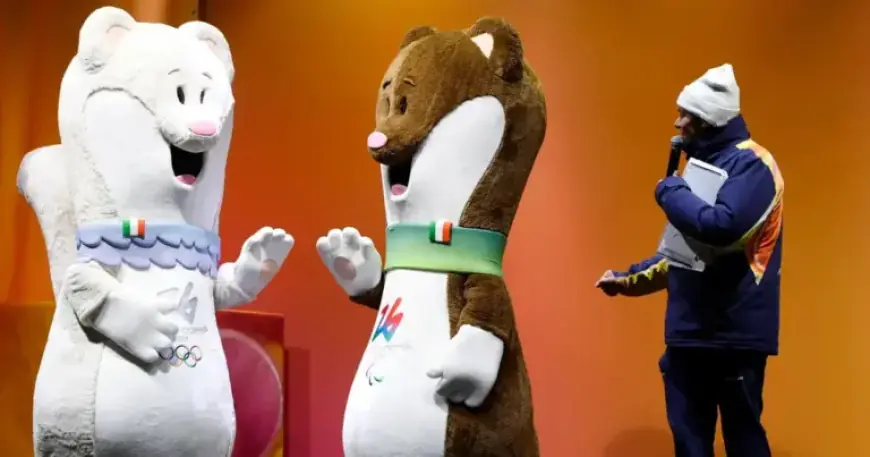
Excitement is building as the 2026 Winter Olympics approaches, featuring its unique mascots, Tina and Milo. These charming characters are stoats, representing the Olympic spirit through their Italian heritage.
Meet the Mascots: Tina and Milo
Tina has been designed as the Olympic mascot, embodying creativity and connection to nature. Her brother, Milo, serves as the Paralympic mascot. Both characters are inspired by the vibrant spirit of Italy.
- Tina: Born in the mountains of Italy, Tina now ‘lives’ in an unnamed city. The name Tina is derived from Cortina, one of the host cities.
- Milo: The younger sibling, who was born with a disability, represents resilience. His name alludes to Milano, the other co-hosting city.
The Significance of Stoats and Snowdrops
The mascots are accompanied by six snowdrop flowers, collectively called “The Flo.” These flowers are depicted as curious and playful companions that bring joy to the winter landscape.
Both stoats and snowdrops symbolize the capacity to thrive in challenging conditions. Stoats are small predators known for their agility and ability to adapt to varying environments. Snowdrops, on the other hand, bloom early in the winter, representing resilience and hope.
Origins of the Mascots
The Milano Cortina 2026 Organizing Committee worked closely with the Italian Ministry of Education to source mascot designs from students. Over 1,600 entries were received, with Tina and Milo ultimately selected following a public poll. Their designs reflect children’s creativity and capture the essence of Italian culture.
Conservation and Climate Change Awareness
Experts emphasize that both the stoats and the Winter Olympics face threats from climate change. Marco Granata, a researcher focused on stoat conservation in the Alps, advocates for increased awareness and support for these animals. Despite his proposal for part of the event’s proceeds to support stoat preservation efforts, the Milano Cortina 2026 Foundation declined to respond.
Historic Context of Olympic Mascots
Olympic mascots serve as vibrant ambassadors, representing the event’s values and culture. Each mascot creates a festive atmosphere, contributing to the overall spirit of the Games.
From Schuss, the first Olympic mascot designed for the 1968 Winter Games in Grenoble, to the modern characters of today, mascots have evolved significantly. Each reflects the values and culture of the host city, leaving a legacy for future events.
As the 2026 Winter Olympics draw near, Tina and Milo stand ready to capture the hearts and imaginations of spectators worldwide, continuing the tradition of spirited mascots.