

























From Sky Hero to Reality: The Plane’s Glamour Fades

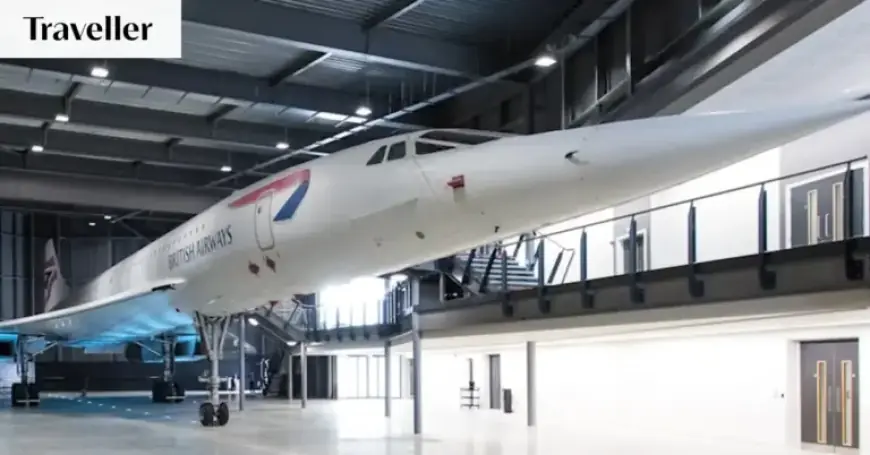
The Concorde, once celebrated as the epitome of glamour in aviation, served as a cherished icon of travel. Launched over 50 years ago, it captivated the elite and celebrities of the 1970s and 1980s. However, its legacy now faces a sobering reality that contrasts sharply with its once glamorous image.
From Sky Hero to Reality: The Plane’s Glamour Fades
The final Concorde can be seen at Aerospace Bristol, located in Filton, southwest England. Visitors quickly realize that the reality of the aircraft’s cabin defies expectations. Standing at 180 centimeters, I had to bend low to navigate through the cramped quarters. For those taller than six feet, the window seats felt particularly uncomfortable due to the limited headroom.
Originally designed for speed, the Concorde sacrificed passenger comfort for performance. It could soar over the Atlantic, flying at more than twice the speed of sound. One notable flight in 1996 completed the journey from New York to London in an astounding 2 hours and 52 minutes.
Historical Milestones
- Launch Date: January 21, 1976 – First passenger flights commenced simultaneously from Paris to Rio de Janeiro and London to Bahrain.
- Retirement Date: November 26, 2003 – G-BOAF, the last Concorde, completed its final flight.
- Operational Details: Only 20 Concordes were ever used commercially, with 10 each for Air France and British Airways.
The final assembly of these iconic aircraft occurred in Toulouse and Filton, marking the end of a dream that began with the desire for supersonic travel. Aerospace Bristol also narrates the rich history of the region, which transformed from a small village into Britain’s aerospace hub due to its tramways.
Legacy and Innovations
The development of the Concorde began in the 1950s, with extensive testing conducted throughout the 1960s. It garnered the title of the most tested aircraft in history, undergoing over 5,000 hours in wind tunnel tests. The design included unique features such as specially engineered alloys and heat-resistant paint to withstand the intense heat generated during high-speed flights.
Onboard service was exemplary, featuring gourmet dining, yet time constraints often limited meal preparation. Despite its erstwhile status, the glamour of the Concorde gradually faded, exacerbated by the tragic Air France crash in 2000, the subsequent terror attacks in 2001, growing operational costs, and an aging fleet.
Although its interiors became less appealing over time, Aerospace Bristol allows enthusiasts to appreciate the aircraft’s stunning design up close. Visitors can marvel at the sleek nose and distinctive wings that once made Concorde the pinnacle of aviation prestige.
Visiting Aerospace Bristol
Aerospace Bristol is situated 11 kilometers from Bristol city center and is accessible within an hour and 40 minutes from Birmingham Airport. For those looking to stay nearby, Mollie’s Motel and Diner offers comfortable accommodations with attractive oak-panelled rooms and hearty breakfasts.
The legacy of the Concorde serves as a reminder of a bygone era of flight—one filled with excitement and aspiration for the future of travel.