






















Taylor Swift’s “Opalite” Music Video Ignites a Star-Cameo Wave as Domhnall Gleeson, Greta Lee, Cillian Murphy, and Lewis Capaldi Fuel New-Music Buzz

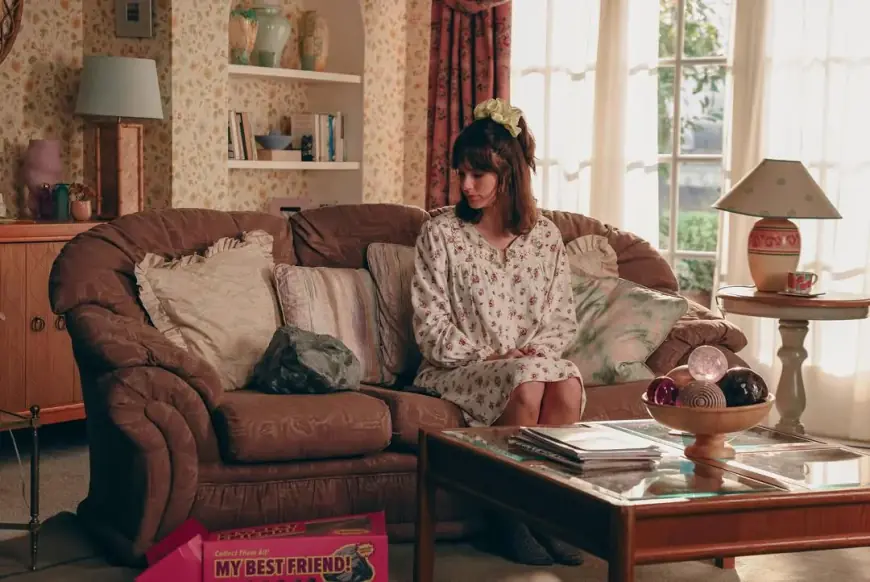
Taylor Swift’s new “Opalite” music video has landed as a full-scale pop culture event this weekend, pairing a deliberately retro, comedy-forward concept with a cast list that reads like a modern awards-season roll call. Released in early February 2026, the video leans into surreal romance and playful visual symbolism—then turns the volume up with quick-hit appearances from Domhnall Gleeson, Greta Lee, Cillian Murphy, and Lewis Capaldi.
The timing matters: a high-attention weekend in entertainment often becomes a competition for what people talk about next, and “Opalite” is engineered to win that conversation.
What happens in the “Opalite” video, and why it’s being talked about
“Opalite” frames Swift in a stylized, throwback world that blends mock-commercial energy with off-kilter relationship comedy. The plot’s emotional engine is less “epic love story” and more “odd attachment that becomes a mirror,” using literal objects and exaggerated setups to make the point.
Domhnall Gleeson anchors much of the on-screen chemistry and comedic rhythm, while Greta Lee and Cillian Murphy’s appearances have helped turn the release into a cameo-spotting sport. Lewis Capaldi’s presence adds a music-world layer: it’s not just actors in a music video, it’s a cross-audience pull that invites both film fans and pop listeners into the same room.
Behind the headline: why this cast, why now
The incentives are straightforward. Swift benefits from making the video feel like an “event,” not an accessory. In an era where songs can trend without visuals, a big video has to justify itself—either through narrative, spectacle, or conversation value. “Opalite” goes for all three:
-
Conversation value: A star-heavy cast creates organic shareability. Viewers rewatch to catch what they missed, which extends the video’s lifespan.
-
Prestige adjacency: Casting respected actors signals creative ambition and protects the project from feeling disposable.
-
Mutual upside: For the actors, it’s a high-visibility, low-time-commitment appearance that keeps them in the cultural stream without requiring a full press cycle.
Stakeholders extend beyond Swift and the performers. Labels, management teams, advertisers, and streaming partners all benefit when one release becomes a multi-day talking point. Fans also become a stakeholder group here: “Opalite” is structured to invite interpretation—symbols, costumes, and tiny background beats that reward obsessive viewing.
The “The ’Burbs” 2026 angle: why it’s popping up in the same conversation
Another reason “Opalite” is spilling into broader entertainment chatter is the parallel timing with “The ’Burbs,” a new black-comedy series adaptation that debuted this weekend (February 8, 2026, ET). While it’s separate from Swift’s project, it’s arriving in the same attention window—one of those moments where audiences and algorithms naturally bundle “what to watch” alongside “what to listen to.”
Domhnall Gleeson, Greta Lee, and Cillian Murphy sitting at the intersection of film, prestige TV, and internet virality helps explain why the Swift video is being discussed in the same breath as new-screen releases: celebrity ecosystems overlap, and weekends like this compress a lot of culture into one feed.
What we still don’t know
Even with the video out, a few important pieces remain unclear or still developing:
-
Whether “Opalite” is a one-off visual or part of a connected series tied to the same album era.
-
How deep the collaboration goes—cameos are obvious, but future live appearances, remixes, or performance tie-ins are not confirmed.
-
Lewis Capaldi’s next-music timeline: his appearance refuels “new music” speculation, but a specific next single or release date is not confirmed by the video alone.
What happens next: realistic scenarios and triggers
-
A second wave of “Opalite” engagement (24–72 hours): Triggered by fans identifying visual motifs, callbacks, and scene-by-scene breakdowns.
-
A performance moment that locks the era in: If Swift performs “Opalite” in a high-profile setting soon, the song can jump from “video event” to “era centerpiece.”
-
Capaldi momentum spillover: If Capaldi follows quickly with a new release or announcement, the cameo reads less like a fun appearance and more like coordinated timing.
-
Actor press-cycle cross-pollination: Any upcoming interviews for film or TV projects can prompt “Opalite” questions, keeping the video in circulation.
Why it matters
“Opalite” is a reminder that music videos still matter when they’re designed like headline entertainment. The project isn’t just selling a song; it’s selling a shared cultural moment—one built to be replayed, debated, meme’d, and mapped onto whatever fans already believe about Swift’s storytelling. Add a cast that draws in non-music audiences, and the result is a release that behaves less like a drop and more like a weekend-long conversation.