

























Japan’s Leader Secures Landslide Victory, Paving Path for Hard-Line Agenda

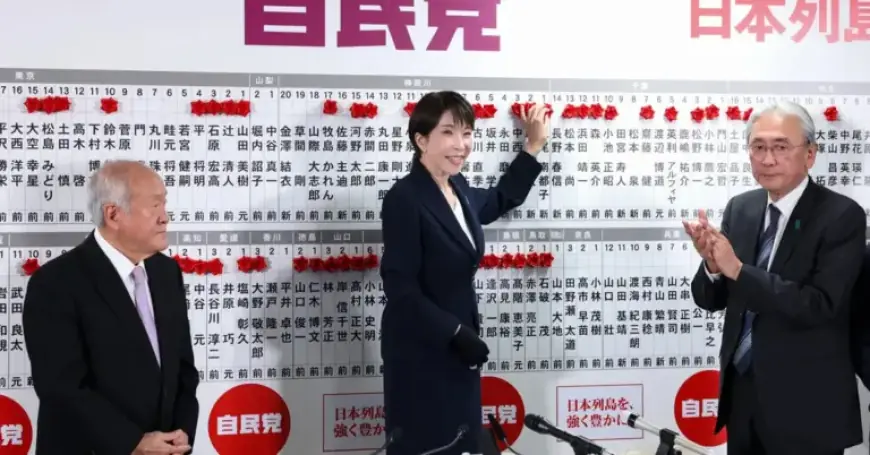
Japan’s political landscape transformed dramatically as Prime Minister Sanae Takaichi achieved a resounding electoral victory, solidifying her hard-line agenda. This decisive win positions her and her party, the Liberal Democratic Party (LDP), for major policy initiatives, particularly regarding national security and economic reforms.
Election Overview
A snap election was held just 110 days after Takaichi made history as Japan’s first female prime minister. On this critical day, voters turned out in significant numbers despite harsh weather conditions. Preliminary estimates suggest approximately 56% of registered voters participated.
LDP’s Landslide Victory
The LDP claimed an overwhelming majority in Japan’s House of Representatives, securing at least 310 seats, up from 198. This three-fold increase underscores a notable shift in the party’s fortunes and provides Takaichi with a strong mandate to implement her policies. Public broadcaster NHK confirmed the results, emphasizing the LDP’s solid foundation going forward.
Potential Policy Changes
With this robust majority, Takaichi is now poised to pursue a conservative agenda that includes:
- Enhanced military spending and defense capabilities
- Reforms on immigration and social issues
- Continuation of aggressive economic spending programs to stimulate growth
Takaichi expressed the need for a public mandate, stating that prolonging uncertainty was not an option. The broader implications of her agenda are likely to be felt both domestically and internationally, especially regarding Japan’s relations with China and the United States.
International Relations and Challenges
Takaichi faces pressing challenges in navigating Japan’s international relationships. Following comments supporting Taiwan, China responded with economic reprisals, which included restrictions on seafood imports and tourism. Takaichi’s firm stance aims to reassure Japanese citizens of the country’s resilience amid external threats.
Support from Young Voters
Takaichi’s appeal extends notably to younger demographics who see her as a dynamic leader. Surveys reveal her popularity among college-age voters, reflecting a shift in public sentiment towards a new generation of leadership. Insights from young voters suggest a desire for clear communication and decisive action.
Key Implications of the Election Results
As Japan’s political climate evolves, Takaichi’s government is expected to address rising economic concerns, particularly regarding the cost of living. Her previous record of fiscal stimulus indicates a willingness to tackle issues swiftly. However, experts caution that she must balance ambition with humility to maintain public trust and legislative support.
With Takaichi’s leadership, Japan is on the brink of significant political and economic developments as it navigates both domestic priorities and complex international issues. The upcoming months will be critical in assessing the impact of her hard-line agenda on the nation and its role on the global stage.