























Terrance Gore cause of death: MLB speedster dies at 34 after routine procedure complications


Terrance Gore, the former Major League Baseball outfielder and pinch-running specialist known for game-changing speed in October, died Friday, Feb. 6, 2026, at age 34. His wife said he died from complications following what was expected to be a routine medical procedure, a sudden loss that prompted tributes across baseball for a player whose biggest impact often came in the most pressured moments.
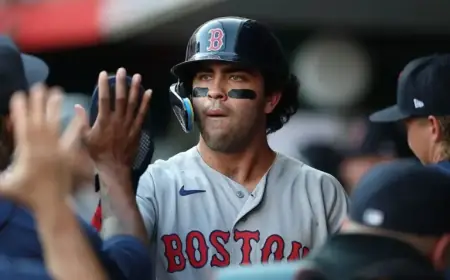
Gore won three World Series rings and built a unique big-league role: appear late, run faster than anyone else on the field, and tilt postseason games by turning singles and walks into immediate scoring threats.
What is known about the cause of death
Gore’s wife, Britney, wrote that his death followed complications from a “simple” or routine procedure. No additional medical details have been publicly confirmed, including the specific procedure or the precise medical sequence that led to his death.
Some public statements from baseball organizations announcing his death did not include a cause. The clearest description remains the family’s account: an unexpected outcome after a procedure that was not believed to carry high risk.
When and how the news became public
The announcement of Gore’s death spread Saturday, Feb. 7, after baseball organizations and former teams shared condolences and memories. The timing matters because it shaped early confusion: some posts focused on his career highlights without mentioning cause of death, while others referenced the family’s description of postoperative complications.
By Sunday, Feb. 8, the broad public understanding had settled around the same central point: Gore died unexpectedly after a routine procedure, with details still limited.
A career defined by speed and October moments
Gore’s major-league résumé looks unusual on paper: relatively few plate appearances over parts of eight seasons, but outsized postseason influence. Teams used him as a late-game weapon—pinch-run, steal second, force the defense to rush, and pressure pitchers into mistakes.
He appeared for multiple clubs during his career, including a long association with Kansas City, where his speed became a defining feature of their mid-2010s runs. In the postseason, where one base can decide a series, Gore’s legs were often treated like a specialized tool.
His World Series rings came with three different champions: Kansas City (2015), Los Angeles (2020), and Atlanta (2021). That total reflects both his value in a very specific role and how contenders often look for marginal advantages in October.
Why Gore mattered even without everyday playing time
Baseball is built on repetition, but playoff baseball can turn on single events: a stolen base, a first-to-third, a tag-up, a rushed throw. Gore made a career out of being ready for those moments with minimal notice.
Managers trusted him because his skill was straightforward and measurable. When he reached base late in a tight game, the odds of a steal attempt weren’t theoretical—they were immediate. That forced opponents to adjust: pitchers changed their timing, catchers called for more fastballs, infielders shaded toward second. Even before he moved, he altered the game.
That influence also made him a favorite in clubhouses. Players and staff often cite specialists like Gore as tone-setters: stay prepared, accept a narrow job, deliver when it counts.
What to watch next
In the days ahead, attention will likely turn to two practical questions:
-
Memorial plans and tributes: Whether teams plan on-field moments of silence, patches, or charitable efforts in Gore’s name.
-
More detail from the family: Whether any additional information is shared about the procedure or the circumstances, though that remains unclear and may not happen.
For many fans, the story will also reopen an enduring truth about elite sports: even athletes known for extraordinary physical gifts are vulnerable to life’s sudden turns. Gore’s legacy is not a long list of everyday box-score lines, but something rarer—a reputation for changing postseason outcomes with pure speed and perfect readiness.
Sources consulted: Reuters; ESPN; Los Angeles Times; The Kansas City Star