






















Super Bowl time vs. pregame time: what “coverage begins” means before kickoff

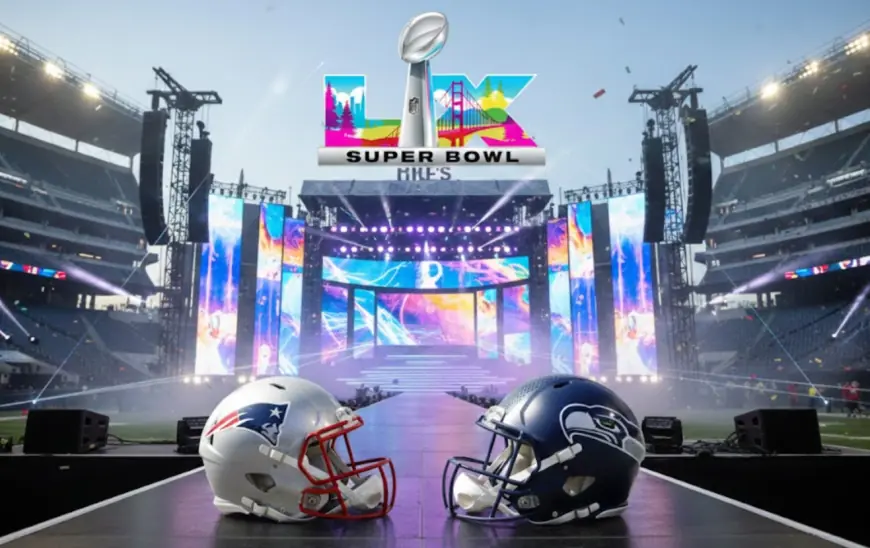
On Super Bowl Sunday, “start time” can describe two different clocks: the moment the broadcast begins and the moment the game actually kicks off. That gap is intentional—and on Feb. 8, 2026, it’s wide enough that viewers who turn on the TV at “coverage begins” may still be more than five hours away from the opening kickoff.
Here’s how “coverage begins” typically works, why listings can look inconsistent, and when the opening segments usually roll into the first kick.
What “coverage begins” actually refers to
“Coverage begins” is the start of the broadcaster’s Super Bowl programming block—not the start of the game. That block can include studio shows, live shots from outside the stadium, celebrity interviews, features on the teams, rules explainer segments, and analysis that’s produced specifically for the event.
It can also include different “sub-starts” within the same day, such as an earlier daytime pregame show and a separate, more formal “game window” show that starts closer to kickoff. Both can be labeled in listings as “coverage begins,” which is one reason fans see multiple start times floating around.
Why you may see multiple pregame start times
For Super Bowl 2026, many schedules list pregame coverage beginning at 12:00 p.m. ET, while some list 1:00 p.m. ET. Both can be true depending on how a guide defines the broadcast block:
-
Some listings treat the first live studio hour as the beginning of Super Bowl coverage.
-
Others mark the start of a dedicated, longer “Super Bowl Pregame” program, which can begin an hour later.
-
Streaming guides sometimes highlight the start of the most-watched pre-kick segment (often around 6:00 p.m. ET) because that’s when casual viewers tend to show up.
In other words, if two listings disagree, it often reflects packaging—not a change in the game’s kickoff plan.
The times that matter most on Sunday (ET)
Super Bowl 2026 is scheduled for 6:30 p.m. ET kickoff, but the opening kickoff commonly happens a few minutes later once the on-field ceremony sequence finishes. For this year’s game, recent Super Bowl pacing suggests the opening kickoff is likely to fall roughly in the 6:34–6:40 p.m. ET range, barring unusual delays.
A practical timeline (all ET) looks like this:
-
12:00–1:00 p.m. — Early pregame coverage begins (varies by listing)
-
Mid-to-late afternoon — Extended features, live stadium hits, and analysis
-
Around 6:00 p.m. — “Game window” presentation ramps up (bigger set pieces, tighter focus)
-
Around 6:20 p.m. — On-field ceremony segments typically accelerate (introductions, anthem sequence, coin toss)
-
6:30 p.m. — Scheduled kickoff time
-
6:34–6:40 p.m. — Typical landing zone for the actual opening kickoff
If your goal is to see the coin toss and the first kick, being ready by 6:15 p.m. ET is the safest plan.
What happens between “kickoff time” and the first snap
That final 10–15 minutes is usually a tightly choreographed block. The key point: it’s not “dead time,” but it’s also not gameplay. The sequence generally includes:
-
Player introductions and team runway moments
-
National anthem and related ceremonial performances
-
Any flyover or stadium effects (when scheduled)
-
Coin toss and captains meeting at midfield
-
Final commercial break and quick setup for the kickoff unit
Because the NFL wants the broadcast to peak right before the game, this segment is timed to keep viewers locked in—and it’s why “6:30 p.m. ET” is best read as a kickoff window, not a guarantee that the ball is kicked at exactly 6:30:00.
How to plan: “pregame,” “game window,” and “kickoff”
If you’re planning a party or trying to avoid missing anything important, it helps to pick which version of “start” you care about:
-
Want background and buildup? Start with early pregame (noon or 1:00 p.m. ET).
-
Want the big opening segments? Aim for the tighter game window around 6:00 p.m. ET.
-
Want only live football? Be seated by 6:25 p.m. ET, with the expectation the opening kick arrives a few minutes after 6:30.
That approach avoids the most common Super Bowl confusion: turning on “when it starts,” then wondering why the game hasn’t started yet.
Sources consulted: NFL, Los Angeles Times, Yahoo Sports, NBC Bay Area