























Four Dead, Three Receive Liver Transplants from Death Cap Mushrooms in California

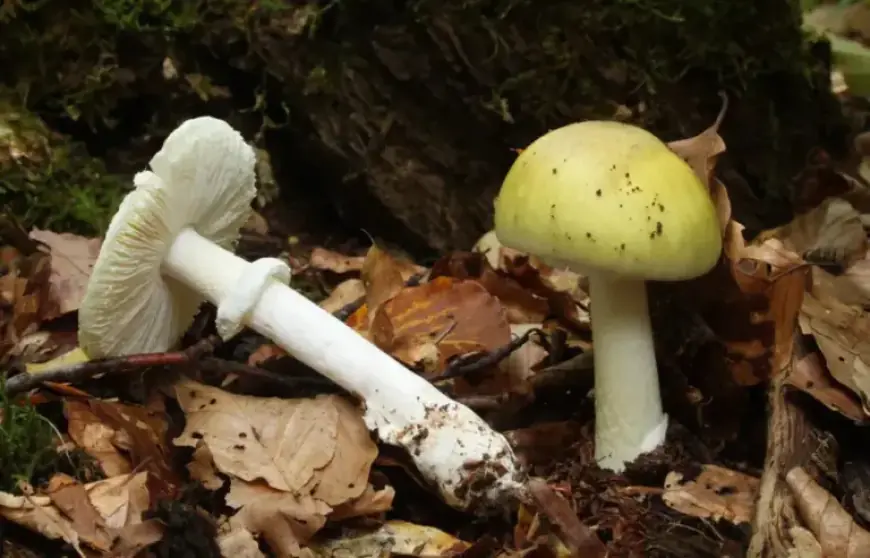
California is currently facing a serious public health crisis due to the consumption of death cap mushrooms. Four individuals have died, and three more have required liver transplants after ingesting these toxic fungi. The California Department of Public Health is strongly advising against mushroom foraging this year.
Rising Incidents of Death Cap Mushroom Poisoning
Since November 18, over three dozen cases of poisonings from death cap mushrooms have been reported. These incidents have included four fatalities and three liver transplants. Many victims exhibited acute liver injury following ingestion, necessitating intensive medical care. Patients ranged in age from just 19 months to 67 years.
Understanding Death Cap Mushrooms
The death cap mushroom is widely recognized as one of the most hazardous in the world. It contains potent amatoxins, which are responsible for 90% of all fatal mushroom poisoning cases. These mushrooms are commonly found in public parks and forests, particularly under oak trees.
In a typical year, only two to five death cap poisonings are recorded. However, Dr. Craig Smollin, medical director of the California Poison Control System, indicated that the recent surge represents a significant anomaly with nearly 40 cases reported this year. Unusually warm fall weather combined with earlier rain has fostered a large growth of these mushrooms in California.
Symptoms and Urgent Response
The ingestion of even small amounts of death cap mushrooms can be fatal. Symptoms may initially include stomach cramping, nausea, diarrhea, or vomiting within 24 hours. It is crucial to note that early symptoms can subside within a day, yet serious liver damage may still develop within 2 to 3 days.
Case studies highlight the dangers. In Salinas, a couple mistook the mushrooms for safe varieties they had foraged in Mexico. After consuming the mushrooms, both adults fell ill, with one requiring a liver transplant following significant health deterioration.
Public Health Recommendations
- Avoid wild mushroom foraging.
- Be cautious around children and pets in areas where mushrooms may grow.
- Purchase mushrooms only from trusted retailers.
The public health department has noted a disproportionate number of poisoning cases among speakers of Spanish, Mixteco, and Mandarin Chinese, leading to the expansion of warning materials in those languages.
Anyone who suspects mushroom poisoning should seek medical care immediately. The U.S. Poison Control Centers reported a 40% increase in mushroom exposure cases from the previous year. They can be contacted at 1-800-222-1222 or through PoisonHelp.org for assistance.
As California confronts this alarming trend of death cap mushroom poisonings, awareness and education are essential. Understanding the risks associated with these dangerous fungi can help save lives.