

























When Will Cuba Face Collapse?

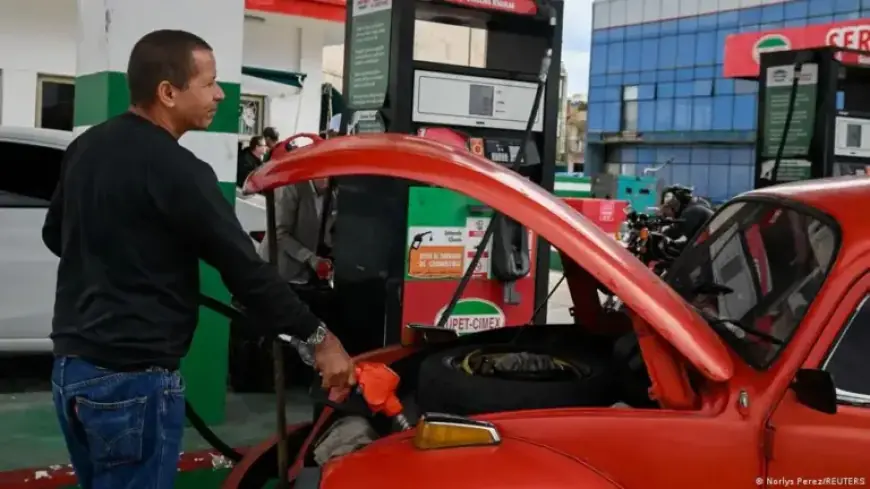
The current situation in Cuba is dire, as the nation grapples with extreme weather and economic challenges. A cold front has caused temperatures to plummet, marking a historic first for parts of the island. Alongside this unexpected chill, Cuba faces significant challenges related to its oil supply, mainly due to actions taken by the United States regarding its closest ally, Venezuela.
Impact of U.S. Policies on Cuba’s Oil Supply
The United States has imposed significant restrictions on Cuba’s oil imports following a military action in Venezuela and the abduction of its leader, Nicolás Maduro. U.S. President Donald Trump labeled Cuba an “unusual and extraordinary threat” to national security and threatened tariffs on nations supplying oil to the island.
Cuban President Miguel Díaz-Canel condemned these U.S. actions as “fascist, criminal, and genocidal.” He emphasized the country’s readiness to engage in talks with the U.S., stressing the need for discussions without preconditions. Despite the willingness to negotiate, he warned that Cuba is “close to failing,” prompting the government to prepare for energy rationing.
Crisis in Energy Supplies
Cuba’s energy demands are gravely unmet, with the nation currently producing only about 40% of the necessary energy. Local blackouts are common, lasting between 10 to 15 hours and affecting even the capital, Havana. With the loss of Venezuelan oil supplies, the situation has become critical.
- Estimated oil demand: 100,000 barrels per day.
- Venezuela previously supplied a third to a quarter of this demand.
- Mexico also halted oil shipments in January, worsening the crisis.
The island received a single oil shipment from Togo in early February, but due to U.S. pressures, this shipment changed course, further complicating Cuba’s oil procurement efforts.
Dependence on External Resources
Cuba relies heavily on imported oil due to outdated energy infrastructure. The country’s efforts to develop renewable energy sources have not sufficiently met electricity needs. Thermal plants of Soviet design remain the primary sources of power, contributing to persistent energy challenges.
The urgency of the situation has led industry experts to predict that the existing oil reserves could run out in weeks. Should this occur, critical services, including transportation and medical supplies, would be severely disrupted.
International Responses and Future Outlook
In light of the mounting difficulties, Mexico has offered to mediate between Cuba and the United States, exploring possible avenues for supplying humanitarian aid and oil. However, Mexico’s role is limited due to its economic ties with the U.S. Cuban officials maintain they are willing to engage in serious discussions, but progress remains unclear.
Meanwhile, Russia has expressed its commitment to continue supplying oil to Cuba, despite rising tensions. This relationship may prove crucial in supporting Cuba during the ongoing crisis.
Conclusion: When Will Cuba Face Collapse?
The convergence of extreme weather, foreign policy impacts, and energy shortages presents a precarious situation for Cuba. The island’s resilience is being tested as it navigates a future uncertain in both political relationships and essential resources.