

























Riot Games’ Franchise Model Missteps in European League of Legends

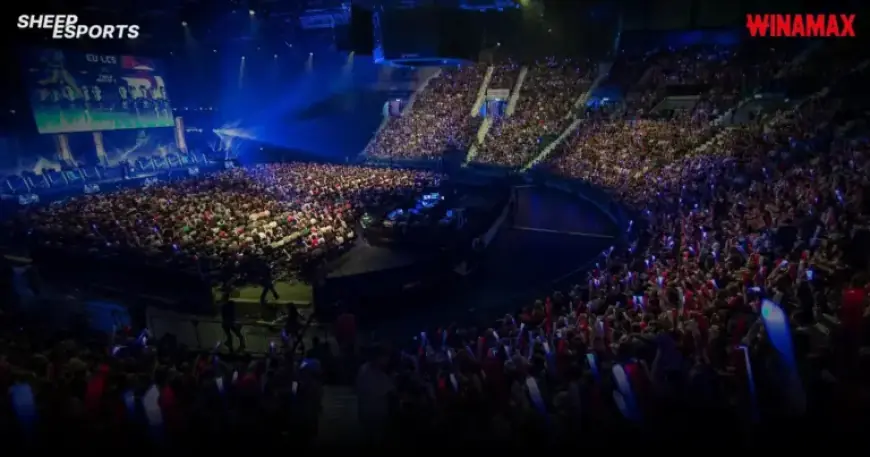
In 2015, the European League of Legends scene reached a notable milestone when Fnatic faced Origen in the EU LCS Finals. Origen, built by midlaner xPeke, climbed through the ranks to compete against Fnatic, featuring an emerging talent, Febiven. Fnatic narrowly secured the championship with a 3–2 victory, and both teams eventually qualified for the World Championship semifinals.
Franchising Transition in European League of Legends
The shift from the EU LCS to the League of Legends European Championship (LEC) marked significant changes in the competitive landscape. Traditionally, new teams quickly ascended to contention within the EU LCS, as seen with G2 Esports and Misfits, both qualifying for Worlds shortly after their promotions. Increased viewership indicated a promising future, with player salaries rising substantially during this time.
However, mounting financial pressures and the absence of guaranteed spots led teams to advocate for a closed league. This desire culminated in 2019 when Riot Games introduced franchising in Europe, removing relegation tournaments and rebranding the league as LEC. This change aimed to enhance stability for organizations and reduce risks of mid-season failures.
Financial Stability vs. Competitive Integrity
The franchising model brought immediate benefits, including financial stability for many organizations. Minimum player salaries increased to €60,000, while sponsors appreciated the reliability of the league’s structure. However, this stability resulted in decreased competitive openness, ultimately hindering the growth of the ecosystem.
- Entry fees for the LEC were set at €8 million for existing teams and €10.5 million for newcomers.
- Teams acquired ownership of their league spots, allowing for future sales.
Notable sales included Schalke 04’s LEC spot, valued at €26.5 million, and Astralis’ spot, which sold for approximately €26 million. However, this closed model significantly diminished incentives for investment in Tier 2 leagues, leading to a decline in the competitive regional ecosystems known as ERLs.
The Impact of a Closed League System
The lack of relegation fostered a stagnant competitive environment within the LEC. Teams struggled to maintain dynamism, as few rosters changed annually. This lack of variety can diminish fan engagement, a crucial factor for sustainability in esports. Moreover, because relegation is absent, underperforming teams can stay at the bottom without accountability.
- Revenue-sharing models in the LEC varied, with some teams focusing on limiting expenditures to league earnings.
- Individual feedback from industry leaders hinted at discontent with financial incentives favoring lower-performing teams.
Riot’s initial design aimed to enhance profitability; however, this approach inadvertently led to reduced fan engagement, a critical aspect in the emerging esports landscape.
Riot Games’ Attempts to Modify the League Environment
In recent years, Riot Games recognized the downsides of their franchising decisions. In 2023, they launched a franchising model for VALORANT leagues, allowing teams to enter without purchasing spots. This development marked a departure from the LEC’s structure.
Despite these attempts to enhance competitive integrity, the LEC faced challenges. A notable event occurred when Riot offered LCS teams the opportunity to buy back their spots, resulting in two teams exiting the league. This move further highlighted the shifting dynamics within Riot’s league framework.
The introduction of a new format for LEC, called LEC Versus, aimed to address dissatisfaction among franchises. Yet, many teams protested against the changes, citing concerns over traditional competitive integrity.
Future Considerations for the LEC
The ongoing discussions suggest that the future of the LEC requires significant adjustments to restore competitiveness and franchise appeal. One potential approach includes reintroducing promotion and relegation, thus allowing ERLs to regain relevance.
The fate of new entrants, like Los Ratones, serves as a reminder of the challenges inherent in the current closed system. The organization’s recent success reinvigorates interest, but without reform, they may soon confront limitations similar to other teams.