
























Expert Reveals NFL’s Strategic Choice of Bad Bunny for Halftime Show

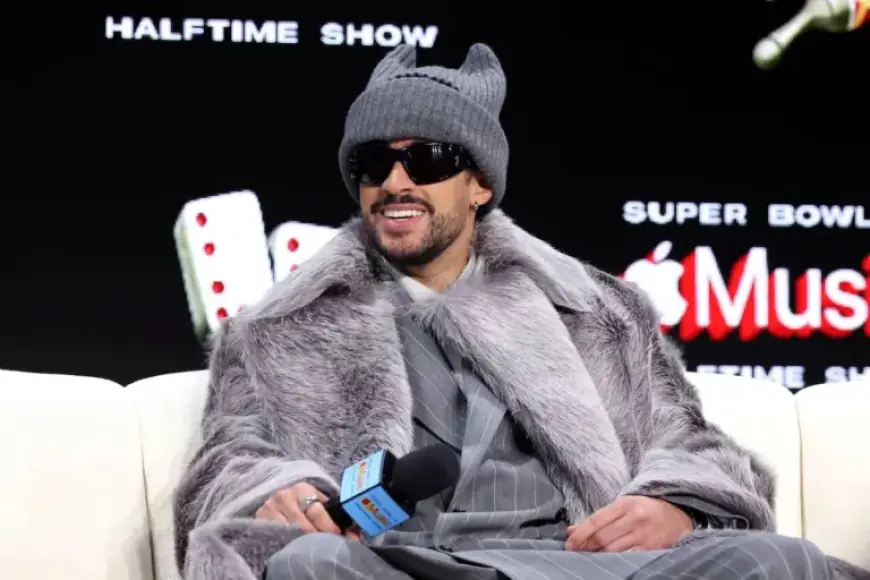
The NFL has created a significant buzz by selecting Bad Bunny as the performer for the halftime show at the 2026 Super Bowl. Set to take place on February 8 at Levi’s Stadium in Santa Clara, California, this choice marks a milestone in the league’s history. It will be the first time a headliner primarily performing in Spanish takes the stage.
Controversy Surrounding the Decision
Despite the NFL’s enthusiasm for Bad Bunny, the decision has not come without criticism. Notable figures, including former President Donald Trump, have publicly stated they will boycott the event. Conservative commentator Tomi Lahren expressed confusion over a performer she labeled as “not an American,” despite Bad Bunny being a U.S. citizen from Puerto Rico.
Additionally, right-wing group Turning Point USA is planning a competing halftime show featuring Kid Rock. An anonymous survey by The Athletic revealed that 41% of the 58 NFL players questioned do not support Bad Bunny’s headlining performance.
NFL’s Global Strategy
Despite the backlash, NFL Commissioner Roger Goodell remains optimistic, asserting that he believes the show will “unite people.” The league’s choice reflects a greater business strategy, as they target an international audience. According to Jared Bahir Browsh, a professor at the University of Colorado, the NFL is focusing on appealing to its largest international markets—Mexico and Brazil.
- 70 million Latinos live in the U.S.
- Half identify as NFL fans.
- Bad Bunny was 2022’s top-selling artist with record-breaking streaming numbers.
The Halftime Show as a Cultural Phenomenon
The Super Bowl halftime show has evolved into a major television event, drawing viewers beyond just sports fans. Browsh highlights that the publicity generated by Bad Bunny’s performance—whether positive or negative—only serves to benefit the NFL financially. Last season, the league reported revenues of $23 billion, underlining its capacity to thrive amidst scrutiny.
While rival shows may arise, the NFL appears confident in its ability to maintain the halftime show’s primacy. The success of Bad Bunny aligns with the league’s drive to broaden its audience and promote diversity within its ranks.
Conclusion
The selection of Bad Bunny as the Super Bowl halftime show headliner reflects a strategic pivot towards inclusivity and global market engagement. As the NFL aims to connect with a wider demographic, its focus on cultural relevance may very well redefine future events.