




















Eileen Gu shakes off early fall to reach Milano Cortina slopestyle final

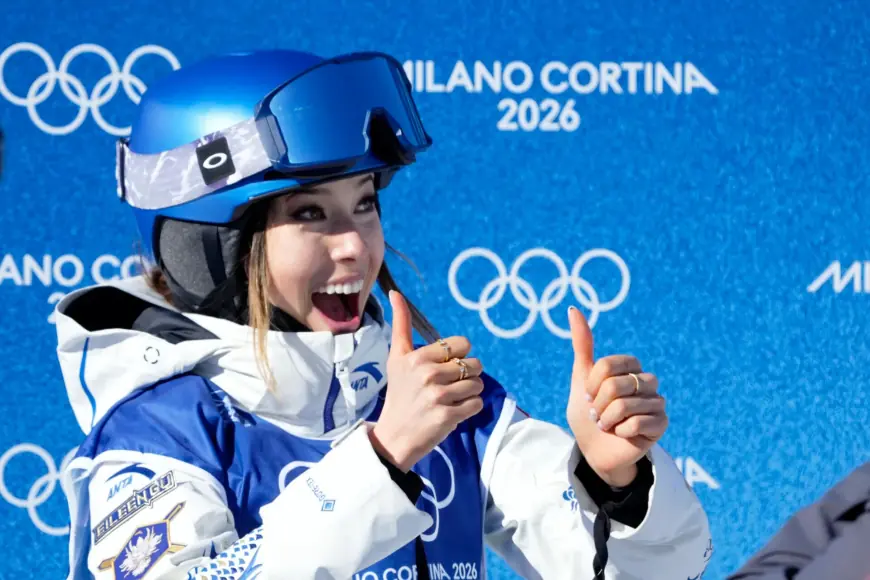
Eileen Gu’s bid for another Olympic medal is alive after a shaky start on the first full day of competition in Milano Cortina. The freeski star crashed on her opening slopestyle qualifying run Saturday, Feb. 7, 2026, then responded with a clean second attempt to secure a spot in Monday’s final.
The turnaround mattered for more than advancement. Slopestyle is the one freeski discipline where Gu has carried the most unfinished business on the Olympic stage, and the course in Livigno has been punishing enough that simply putting down a controlled run has become a separator.
A fall on the first rail
Gu’s first run ended almost immediately when she slipped on the opening rail feature. On a course built around extended rails and precise entries, the mistake looked less like a lack of ambition and more like how narrow the margins are in this venue’s setup.
In slopestyle, one missed contact can erase an entire run, and early errors can snowball into rushed decisions. Gu’s body language after the fall suggested frustration, but she stayed composed and remained in the start list with another attempt to use.
The rebound run that saved the day
Gu’s second run was noticeably more conservative: cleaner rail execution, fewer wobbles, and a priority on landing rather than pushing maximum difficulty. The plan worked. She posted 75.30 to finish second in qualifying behind Switzerland’s Mathilde Gremaud, who led with 79.15.
That “survive and advance” approach is often the smartest play in Olympic qualifying, where the goal is not peak scoring but making the final with confidence intact. Gu’s run didn’t need to be perfect; it needed to be stable enough to set up a higher-risk plan for the medal round.
A course built to punish hesitation
The Livigno slopestyle track has drawn attention for its long, technical rail sections that demand a smooth rhythm from start to finish. Riders can’t simply “get through the rails” and save everything for the jumps. A small misread early forces compensations later, and speed control has become an issue even for top contenders.
That structure also amplifies the mental side of the sport. Slopestyle is part repetition and part improvisation, and the Olympic setting adds an extra layer: once a run is gone, there is no series to “get it back” later. Gu’s ability to reset quickly is a competitive advantage in exactly this kind of environment.
The style statement that turned heads
Gu also arrived with a striking competition suit designed around Chinese cultural motifs, including dragon imagery and a blue-and-white porcelain-inspired palette. The outfit blended performance details with personal touches, including small novelty elements on the sleeve that leaned into her long-running interest in design and self-expression.
The suit became a secondary story because it reflects a larger truth about Gu’s public profile: she competes as a top-tier athlete while also operating comfortably in fashion and pop-culture spaces. In an Olympics where branding and identity are part of the conversation around stars, she continues to lean into that visibility rather than avoid it.
What this sets up for Monday
Gu heads into the final with a clear to-do list: raise the difficulty, stay clean on the rails, and land under pressure. The qualifying run showed she can keep a floor under her performance, but medals will require a higher ceiling.
One additional wrinkle is how quickly the contenders adapt. Gremaud’s lead qualifying score sets a benchmark, and the final typically rewards athletes who blend technical sharpness with the willingness to risk bigger rotations and more complex rail combinations.
Key things to watch in the final:
-
Whether Gu adds difficulty on the rails or keeps the run jump-heavy
-
How aggressively she increases risk after a “safe” qualifying approach
-
Whether the course continues to claim falls that reshape the podium
Sources consulted: Reuters, Associated Press, Olympics.com, NBC Olympics