
























2030 Winter Olympics: French Alps host plans sharpen as legal and climate pressures grow

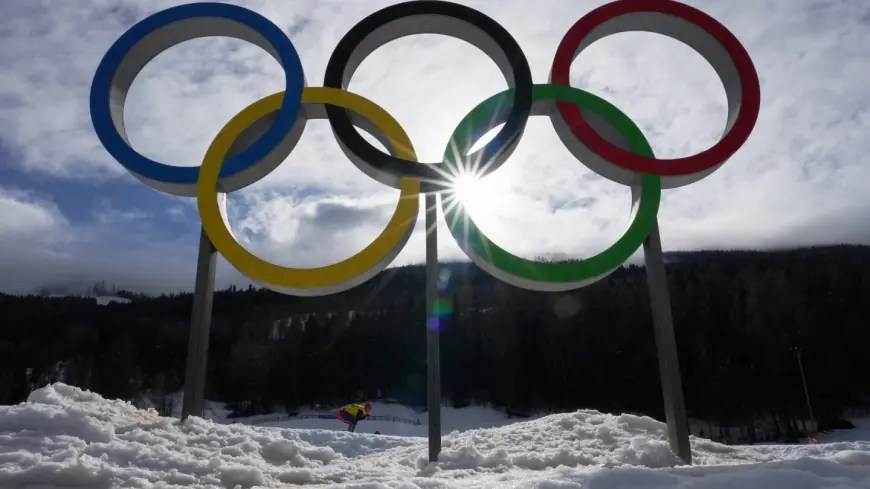
The 2030 winter olympics are set for France’s Alps, but the run-up is already being shaped by two forces that can change the event’s footprint: court-driven demands for public consultation and intensifying climate concerns that are pushing winter sport calendars earlier.
For anyone searching “2030 winter olympics location” or “winter olympics location,” the headline answer remains the same: the Games are planned as a split, multi-cluster event stretching from high-mountain venues to the Mediterranean coast, with ice sports anchored in Nice.
What the 2030 winter olympics are, and where they are
The winter olympics 2030 are scheduled for February 1–17, 2030, in the French Alps, with competitions organized across multiple clusters rather than a single host city. The plan links traditional mountain resorts for snow and sliding events with a coastal hub for several indoor ice competitions.
This geography is central to what many people mean when they ask about the “next winter olympics 2030”: it’s designed to rely heavily on existing venues, while using a major city (Nice) to avoid building large permanent arenas in small alpine towns.
The core venue map: Alps clusters plus Nice
The organizing concept groups events into clusters that span the northern and southern Alps, with Nice serving as a key operational and spectator center for ice sports and ceremonies. In practice, that means athletes and fans will see the Games move across a long north-to-south corridor—from near Lake Geneva down toward the Riviera.
Some specific venue selections remain under development, but the cluster approach is intended to limit new construction and compress operational costs while still meeting event requirements for arenas, transport, and security.
Budget and governance: who’s running “olympics 2030”
A provisional operating budget has been framed around roughly €2.0–€2.1 billion (about $2.1–$2.3 billion at recent exchange rates), with additional spending possible for construction and upgrades depending on final venue choices.
Leadership has also been formalized. Former Olympic champion Edgar Grospiron has been named president of the organizing committee, and Cyril Linette has been appointed chief executive to run day-to-day delivery across operations, legal, and finance—key roles given the compressed timeline between host award and opening day.
Court rulings and the push for public input
Opposition groups and some elected officials have argued that residents in affected regions were not adequately consulted during the decision process and early planning. That dispute is now producing concrete consequences.
A French administrative court in Marseille ruled on January 26, 2026, reinforcing legal obligations to inform and involve the public in infrastructure projects linked to the 2030 Winter Games. Separately, legal filings have sought to compel broader public debate in multiple administrative courts. These actions don’t automatically halt preparations, but they can influence project sequencing, documentation requirements, and the pace of approvals—especially for transport, venue upgrades, and any new builds.
Climate pressure: could future Winter Games shift earlier?
Beyond France, the bigger winter-sport issue is snow reliability. In early February 2026, Olympic leaders discussed the possibility of moving future Winter Games calendars earlier—potentially into January—to improve odds of colder conditions and better snow, while also reducing late-winter sunlight risks that can soften courses.
Nothing has been decided for 2030 specifically, and the current plan still targets early February. But the discussion signals that host plans for the 2030 olympics may increasingly be judged against weather risk, water use, and the feasibility of relying on natural snowfall versus extensive snowmaking.
Key takeaways
-
The 2030 winter olympics location is the French Alps, using multiple clusters plus Nice for major ice events.
-
Legal pressure is rising to expand public participation, which may affect infrastructure timelines.
-
Climate constraints are driving active debate about earlier Winter Games dates, even if 2030 remains slated for early February.
Sources consulted: Reuters, Associated Press, International Olympic Committee, Le Monde