


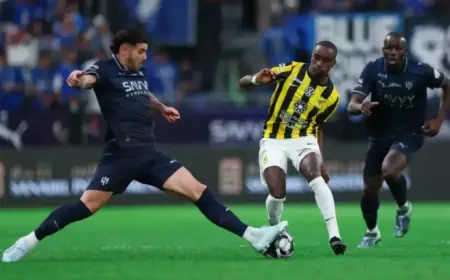






















Wolves vs Chelsea: Cole Palmer hat-trick powers 3–1 win at Molineux


Chelsea beat Wolverhampton Wanderers 3–1 on Saturday, Feb. 7, 2026, at Molineux, with Cole Palmer scoring a first-half hat-trick that flipped the match into a one-sided uphill climb for Wolves. Two penalties inside 35 minutes put Chelsea in command, and Palmer’s open-play finish before halftime effectively decided the contest long before Wolves’ second-half response.
The result strengthens Chelsea’s push for the European places, while Wolves’ relegation fight looks even steeper as points continue to slip away in home matches that have become must-something fixtures.
A first-half blitz decided it early
Chelsea’s opener came from the penalty spot in the 13th minute, with Palmer converting calmly to give the visitors an early lead and force Wolves to chase. A second penalty followed in the 35th minute, again dispatched by Palmer, and the third goal arrived just three minutes later in open play to complete a hat-trick inside the first 38 minutes.
At 3–0 down at halftime, Wolves needed an immediate lifeline. They got one after the break, but the damage from the first-half collapse—two costly fouls in the box and a defense stretched by quick combinations—was too much to overcome.
Wolves pulled one back, but couldn’t swing momentum
Wolves’ goal arrived in the 54th minute through Tolu Arokodare, briefly injecting life into the stadium and giving the home side a reason to believe in a chaotic finish. For a short spell, Wolves pushed higher and looked for direct deliveries into the area.
Chelsea steadied without needing to turn the second half into a shootout. The visitors managed the tempo, limited clean looks, and kept Wolves’ pressure to moments rather than waves. The best late chances still required saves, but Chelsea’s shape held and the match ran out without a second Wolves breakthrough.
Key moments and scorers
| Minute | Team | Event |
|---|---|---|
| 13' | Chelsea | Cole Palmer goal (penalty) |
| 35' | Chelsea | Cole Palmer goal (penalty) |
| 38' | Chelsea | Cole Palmer goal |
| 54' | Wolves | Tolu Arokodare goal |
What stood out tactically
The match hinged on control of transitions and discipline in the box.
Chelsea’s attacking plan repeatedly targeted spaces behind Wolves’ midfield line, forcing defenders into emergency decisions. Once Wolves conceded the first penalty, the game state changed: Chelsea could wait for the next opening rather than force play, and Wolves had to press in a way that left them vulnerable to direct attacks.
Wolves’ problem wasn’t effort; it was sequence quality. Too many attacks ended before they became shots, and the pressure they did create came after the contest had already tilted heavily toward Chelsea. When Wolves did increase their threat after halftime, Chelsea’s response was mature: slow the game, keep the ball, and concede territory only in controlled phases.
What the result means in the table
Chelsea’s win adds three points to a campaign built on grinding out results away from home, keeping them in the mix for a top-five finish. The performance also underlined a recurring theme: when Chelsea get an early lead, they can manage matches without turning them into end-to-end chaos.
For Wolves, the outlook is stark. With single-digit points after 24 matches, the margin for “good spells” without points has disappeared. The next few weeks become less about finding form and more about finding wins—quickly—because the table won’t wait for gradual improvement.
What to watch next for both sides
For Chelsea, the immediate question is whether the team can turn this kind of ruthless first-half execution into consistency against opponents who sit deeper and concede fewer transition chances. Palmer’s hat-trick also puts a spotlight on how much of Chelsea’s cutting edge can come from decisive moments rather than long spells of dominance.
For Wolves, the priorities are sharper and more urgent:
-
Reduce penalty-box mistakes that turn competitive starts into deficits
-
Create higher-quality chances earlier, not only after going behind
-
Find a stable attacking pattern that doesn’t rely on late-game desperation
This match offered a snapshot of two seasons moving in opposite directions: one side building a European push with decisive attacking moments, the other running out of time to turn effort into points.
Sources consulted: ESPN, FOX Sports, Sky Sports, LiveScore