






















Cam Thomas waived by Nets after trade deadline, becomes free-agent scorer to watch

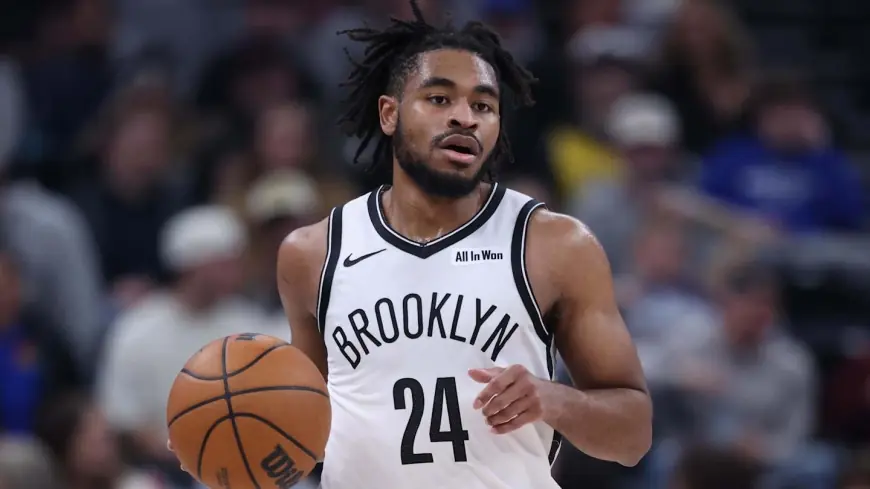
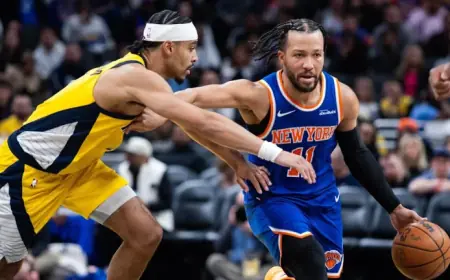
Cam Thomas is back on the market. The Brooklyn Nets waived the 24-year-old guard late Thursday, Feb. 5, 2026, shortly after the NBA trade deadline passed, ending a five-season run defined by bursts of elite scoring and recurring questions about fit. As of Saturday, Feb. 7, 2026, Thomas is positioned to become an unrestricted free agent once he clears waivers, creating an immediate buyout-style opportunity for teams seeking bench offense in the stretch run.
The move matters because Thomas isn’t a fringe roster cut. He’s a proven volume scorer with multiple 40-point games on his résumé, and his availability arrives at the exact moment contenders reassess depth after the deadline.
What “waived” means and what happens next
When a player is waived, every team has a brief window to claim him and take on his contract. If no team claims him, he becomes a free agent who can sign anywhere, typically on a prorated deal for the remainder of the season.
For Cam Thomas, the practical takeaway is speed: he can find a new role quickly, without Brooklyn controlling matching rights. That’s a meaningful change from last summer, when he was in a restricted pathway and ended up playing on a one-year qualifying offer worth about $5.9 million.
Why Brooklyn moved on now
Brooklyn explored trade options for Thomas ahead of the deadline but did not find a deal that met its priorities. Waiving him signals a clean organizational pivot: fewer minutes devoted to a scoring-first guard in a developing lineup, and more runway for younger pieces the franchise views as longer-term bets.
There’s also a roster-management angle. Post-deadline, teams often reshuffle to open spots for 10-day contracts, two-way evaluations, and late-season auditions. For a team prioritizing development and flexibility, turning the page on an expiring contract can be as much about minutes as money.
What Cam Thomas actually is as a player
Thomas’s value is straightforward: he can create points in a hurry. He’s comfortable shooting off the dribble, he can get to pull-ups against set defenses, and he has the confidence to carry second units when spacing and playmaking are limited.
His limitations are just as clear:
-
Defensive impact has been inconsistent, particularly against bigger guards and movement-heavy offenses.
-
Playmaking has improved, but he still profiles more as a scorer than a table-setter.
-
Shot selection can swing from “unstoppable” to “stalled possessions,” depending on matchups and rhythm.
That combination makes him highly situational. On a team that needs instant offense and can cover for him defensively, he’s a weapon. On a team that needs two-way steadiness, he can be a tougher fit.
Recent production and the health question
This season, Thomas averaged 15.6 points in 24 games (eight starts), with roughly 3.1 assists per game. His year was interrupted by a hamstring injury that cost him around 20 games, a key detail for teams weighing whether he can ramp up quickly after a midseason move.
Even with that limited sample, his scoring track record remains hard to dismiss. In prior seasons, he has posted stretches where he was among the league’s most prolific points-per-minute guards, and he has shown he can shoulder high-usage nights when given freedom.
Where he fits around the league
Because he’s now available outside the trade market, the teams most likely to care fall into three buckets:
1) Contenders needing bench punch
Playoff teams often crave a second-unit scorer who can steal six minutes with a quick 8–10 points. Thomas can do that, especially if paired with a defensive guard or a switchable forward group.
2) Injury-hit teams needing shot creation
If a team is down a primary creator, Thomas can replicate some of that shot volume without a full system overhaul.
3) Rebuilding teams with cap space and minutes
A non-contender could offer a larger role to see whether his playmaking and defense can stabilize with responsibility—essentially a trial run before the next contract cycle.
The biggest variable is role acceptance. If Thomas embraces a microwave bench identity, his market broadens. If he expects consistent starting minutes, options narrow.
What to watch over the next week
Three signals will tell the story fast:
-
Waiver outcome — a claim would be a surprise for many teams due to timing and roster constraints, but it’s still possible.
-
Contract structure — a minimum deal vs. a longer, team-friendly framework will reveal how competitive the market is.
-
First-rotation usage — if he lands somewhere and immediately plays 18–24 minutes, that team believes the offense is worth the trade-offs.
For now, “cam thomas waived” isn’t just a transaction note. It’s a rare chance for a proven young scorer to choose a situation that can reshape how the league values him—either as a playoff-ready spark plug or as a higher-usage project with upside.
Sources consulted: Reuters, ESPN, CBS Sports, Hoops Rumors