




















Sonny Jurgensen died of natural causes at 91, family says

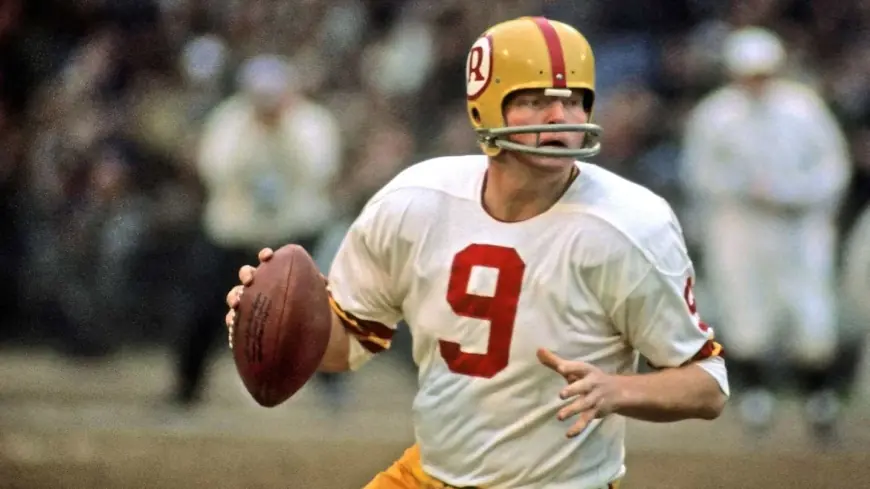
Pro Football Hall of Fame quarterback Sonny Jurgensen died Friday, Feb. 6, 2026, at age 91. His family said he died of natural causes in Naples, Florida, after a brief stay in hospice care.
Jurgensen’s death prompted tributes across the football world, especially in Washington, where his swagger, big arm, and plainspoken charm made him a defining face of the franchise for more than a decade.
Cause of death: what’s been confirmed
The family’s statement described Jurgensen’s death as natural causes. No additional medical details have been publicly confirmed beyond the note that he had a brief hospice stay before he died in Naples.
Because the family has not released a more specific diagnosis, any other claims circulating online about a particular illness are not publicly confirmed.
When and where he died
Jurgensen died Friday morning, Feb. 6, 2026 (ET) in Naples, Florida, where he lived in retirement. The team said it learned of his death that morning from his family.
He is survived by his wife, Margo, as well as children and grandchildren.
Why Jurgensen mattered in Washington
Even without a Super Bowl appearance, Jurgensen became one of Washington’s most beloved players. He arrived as a proven passer and quickly turned into the team’s offensive identity—an aggressive thrower who could erase deficits in a hurry and kept games alive even when defenses struggled.
His No. 9 jersey became iconic in the city, and his reputation as a franchise standard-bearer only grew after his playing days, when he stayed close to the organization and its fan base.
A career built on arm talent and daring
Jurgensen played 18 NFL seasons, beginning in Philadelphia and then spending the heart of his career in Washington. He led the league in passing yards multiple times and finished with 32,224 passing yards and 255 touchdowns, numbers that placed him among the era’s most productive quarterbacks.
He was inducted into the Pro Football Hall of Fame in 1983, a recognition that reflected not just his totals but the way he threw the ball: confident, fast, and often into tight windows that many quarterbacks of his time avoided.
Life after football and lasting legacy
After retiring, Jurgensen remained a familiar voice to fans through decades of broadcasting work. He was known for mixing sharp football insight with an easygoing style that matched how he carried himself as a player.
The combination of elite passing, longevity, and a larger-than-life personality made him a bridge between generations of football fans—one of the rare figures remembered not only for what he did on Sundays, but for how closely he stayed connected to the sport and the community around the team.
What happens next
In the coming days, Washington is expected to share information about any public memorial plans or tributes. Fans can also expect league-wide recognition during upcoming games and broadcasts, as well as remembrances from former teammates, opponents, and broadcasters who worked with him.
For many in Washington, the simplest summary is also the most enduring: Sonny Jurgensen was the quarterback who made throwing the football feel like an event—and he did it with a grin.
Sources consulted: The Associated Press; The Washington Post; ESPN; Washington Commanders official site