
























Taylor Swift’s “Opalite” Music Video Drops With a Star-Heavy Cast, a Paywalled Rollout, and a New Playbook for Pop Premieres

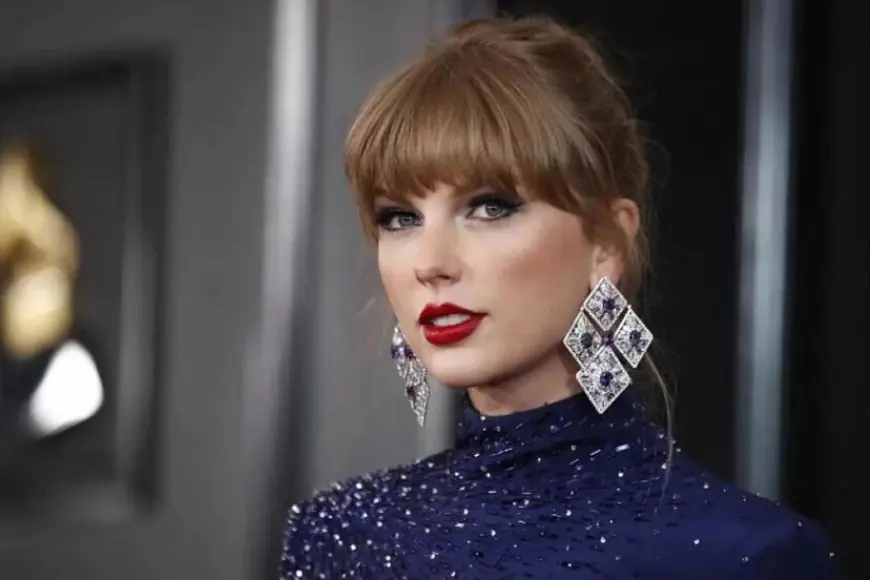
Taylor Swift has released the “Opalite” music video, and the conversation is quickly splitting into two tracks: what’s on screen and where fans can actually watch it. The video arrived Friday, February 6, 2026, and it immediately drew attention for a high-wattage supporting cast that includes Domhnall Gleeson, Greta Lee, Cillian Murphy, and a cameo from Lewis Capaldi. The bigger surprise is distribution: the official release strategy leans hard into subscription-only viewing at launch, turning a standard premiere into a debate about access, exclusivity, and control.
In a media climate where music videos often function as free, viral marketing, “Opalite” is a signal that Swift’s team is willing to trade maximum reach on day one for tighter framing, stronger monetization, and less chaos.
What happened: “Opalite” arrives with Domhnall Gleeson, Greta Lee, and Cillian Murphy in the spotlight
“Opalite” is presented as a glossy, narrative-forward short film anchored by Swift and Domhnall Gleeson, with supporting appearances that have fans freeze-framing scenes for cameo confirmations. Greta Lee and Cillian Murphy add prestige-film energy to the project, while Lewis Capaldi’s presence reads like a wink to pop culture cross-pollination: not a feature verse, not a duet rollout, but a cameo placed to spark conversation.
The video supports a broader “showbiz” theme tied to Swift’s current album era, leaning into spectacle and self-referential visual motifs rather than straightforward performance footage. It’s designed to be rewatched, not just streamed once.
The distribution twist: why the “Opalite” video rollout became the story
A major chunk of the early buzz comes from the fact that many fans expected a traditional free-to-watch premiere. Instead, the first wave of availability centered on paid, subscription music services, leaving casual viewers hunting for clips and summaries rather than pressing play on an official, universally accessible upload.
Behind the headline, this is a leverage move. Swift operates at a scale where she can shift audience behavior, and a controlled rollout offers tangible benefits:
-
Cleaner analytics that tie video views to paid engagement
-
Fewer spoiler-filled comment storms in the first hours
-
More control over audio quality, visual presentation, and ad adjacency
-
A stronger negotiating position with distribution partners going forward
It’s also a test: how many fans will follow the video behind a paywall, and how much conversation still breaks through without a free, frictionless link?
What “Opalite” is about: a gemstone metaphor with emotional distance baked in
Even without dissecting every lyric, the title carries the core idea. Opalite is associated with an “almost-real” glow, a manufactured shimmer that mimics something rarer. That symbolism fits a story about performance, projection, and the space between what people see and what is true.
On screen, that theme translates into controlled glamour and emotional restraint: romance staged as power, intimacy filtered through optics, and tenderness that feels choreographed until it suddenly doesn’t. Gleeson’s role, in particular, amplifies that tension by playing a counterpart who appears both captivated and calculating, depending on the scene.
Where Lewis Capaldi fits: cameo culture and the new “shared universe” of pop
Lewis Capaldi’s involvement is less about musical direction and more about signal value. A cameo functions like a handshake between fan bases, a way to broaden attention without changing the song itself. It also positions “Opalite” as an event, not just a release—an ecosystem of appearances that can extend the lifecycle of a single track.
If Capaldi is releasing new music in this same window, the cameo becomes mutually beneficial: Swift gets an extra headline, Capaldi gets a fresh visibility spike, and both benefit from the sense that pop’s biggest names are operating in overlapping orbits.
What we still don’t know: the missing pieces driving the next wave
Several unanswered questions will decide whether this is a one-week frenzy or a longer-running cultural moment:
-
Will the video become widely available for free viewing later, and if so, when in ET?
-
Is the cast list complete, or are there additional blink-and-you-miss-it cameos?
-
Is “Opalite” pointing to a larger visual project, such as a short-film series tied to this album era?
-
How will the rollout affect chart momentum if a portion of fans can’t easily watch the official video?
These gaps matter because the distribution strategy is now part of the narrative. If access remains limited, unofficial clips will dominate. If access opens quickly, the conversation pivots back to craft and meaning.
What happens next: realistic scenarios and triggers
-
A broader public release window is announced soon, triggered by fan frustration hitting a tipping point
-
The video becomes a repeat-view phenomenon, triggered by hidden details that reward rewatching
-
A new single follows quickly, triggered by the “event” model working and sustaining attention
-
The rollout becomes an industry template, triggered by strong paid-viewing numbers from a top-tier artist
-
Cameo speculation expands into a larger album-era storyline, triggered by coordinated appearances from other recognizable figures
Why it matters
“Opalite” isn’t just another music video. It’s a case study in power: who gets to decide where art lives, how fans access it, and how attention converts into revenue. By pairing a prestige-heavy cast with a controlled distribution strategy, Swift is testing whether the modern music video can evolve from free promotional asset into a premium product—without losing the mass-cultural impact that made the format matter in the first place.