





















Bad Bunny’s 2026 moment: Grammys sweep, Super Bowl halftime, and Puerto Rico at center stage

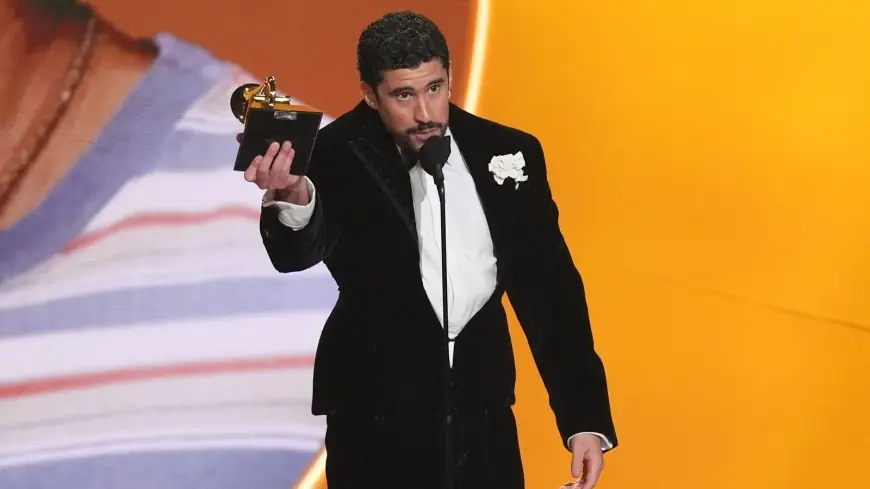
Bad Bunny heads into Super Bowl weekend with unusual momentum: he just made Grammy history with a Spanish-language album taking the top prize, and he’s about to headline the biggest U.S. TV music stage of the year. That visibility has also pulled the conversation into politics—especially around immigration and identity—and revived basic questions many casual viewers still ask: who he is, what songs define him, and whether he’s a U.S. citizen.
Who is Bad Bunny and why he’s everywhere right now
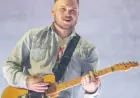
Bad Bunny, born Benito Antonio Martínez Ocasio in San Juan, is a Puerto Rican artist who helped push Spanish-language music from a dominant streaming force into the core of U.S. pop culture. His sound moves across reggaetón, Latin trap, pop, and experimentation, with lyrics that swing from nightlife to heartbreak to social commentary.
For viewers coming in fresh, the “entry point” songs most tied to his global breakout era include “Dakiti,” “Tití Me Preguntó,” “Me Porto Bonito,” and “I Like It” (as a featured artist). Even if someone hasn’t followed his albums, those tracks explain why an all-Spanish set can still feel instantly familiar in American stadiums.
Grammys 2026: a historic win that reframed the conversation
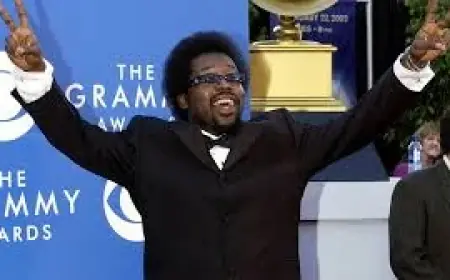
At the 2026 Grammy Awards in Los Angeles on Sunday, Feb. 1, 2026 (ET), Bad Bunny won Album of the Year for “Debí Tirar Más Fotos,” a milestone widely discussed as a breakthrough moment for Spanish-language music at the show’s top tier. The win has been treated as more than a trophy: it’s a mainstream validation of a cultural shift that has been building for years.
The timing matters because it changes the framing heading into Sunday night. Instead of “a bold halftime gamble,” his Super Bowl set now arrives as the follow-up to the industry’s biggest award—less a curiosity, more a coronation.
Super Bowl halftime show 2026: start time and what to expect
Super Bowl LX kicks off at 6:30 p.m. ET on Sunday, Feb. 8, 2026. Halftime typically begins about 90 minutes after kickoff, which puts the start of the halftime show roughly around 8:00 p.m. ET, depending on game flow and stoppages.
Bad Bunny has hinted in pregame media that he’s approaching the show as both spectacle and cultural statement, with Puerto Rico’s influence likely to be front-and-center in the staging, visuals, and set choices. While the NFL guards details tightly, halftime sets usually run about 12–14 minutes on-field, with the broadcast block stretching longer because of setup and commercial timing.
Politics and backlash: how criticism is shaping the narrative
The pushback around Bad Bunny’s booking has been unusually politicized. Some critics have targeted the idea of a mostly Spanish-language performance on a traditionally mass-market American stage, while others have focused on his past public comments sympathetic to immigrants and critical of enforcement-heavy approaches.
That criticism is also shaping how supporters talk about the show: not just as entertainment, but as representation—Spanish on the biggest U.S. football broadcast, Puerto Rican identity in prime time, and a mainstream moment that doesn’t translate itself for comfort.
In short, the controversy has expanded the halftime show from “music event” to “cultural event,” and it will likely influence how the performance is received in real time.
Is Bad Bunny a U.S. citizen?
Yes. Bad Bunny was born in Puerto Rico, and people born in Puerto Rico are U.S. citizens at birth under federal law. That’s why questions like “is Bad Bunny a U.S. citizen” trend around major U.S. events: the answer surprises viewers who mistakenly treat Puerto Rico as foreign rather than a U.S. territory.
Key segments to watch Sunday night
-
The opening 60 seconds: the show’s “thesis statement” (visual concept + first hook) usually tells you whether it’s hit-driven, narrative-driven, or political.
-
The first transition: where the set pivots from one era/style to another—often the most technically risky moment.
-
Any Puerto Rico tribute: flags, imagery, musical references, and choreography choices that signal what story he wants to tell.
-
The closing run: the final track is typically the biggest singalong or the sharpest statement—designed to dominate Monday’s replays.
Sources consulted: Associated Press, ABC News, Recording Academy, U.S. Citizenship and Immigration Services