




















Kid Rock’s Rock the Country 2026 Hit by Artist Exits as Shinedown Drops Out and a South Carolina Stop Vanishes From the Schedule

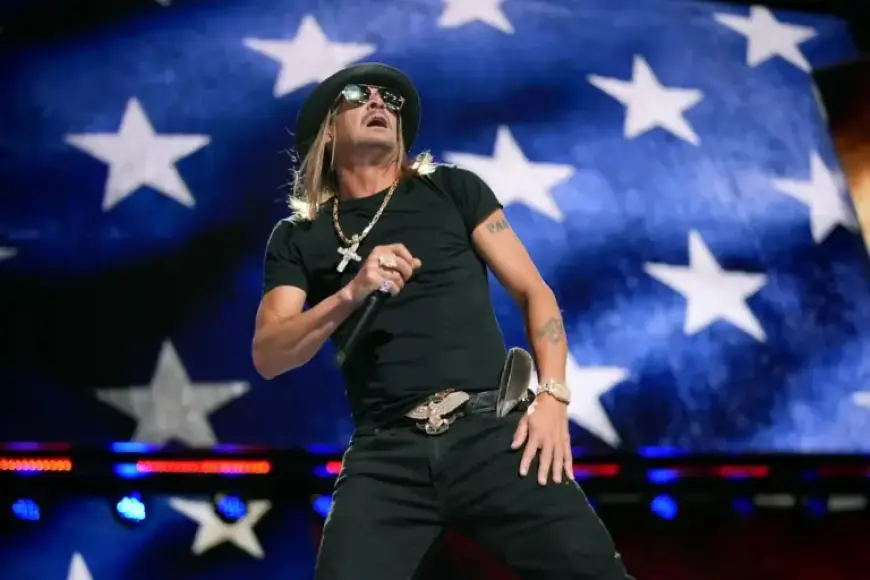
Rock the Country 2026, the traveling festival co-founded and headlined by Kid Rock, is facing a growing controversy after multiple artists disappeared from the lineup and rock band Shinedown publicly withdrew on Friday, February 6, 2026, ET. Within hours, the festival’s previously listed Anderson, South Carolina stop no longer appeared on the event’s official schedule, intensifying questions about whether the date was canceled outright or reworked behind the scenes.
The dispute is less about one band’s decision and more about what the festival now represents in a polarized culture: a music-and-patriotism concept that some fans see as celebration, and others see as a political signal.
What happened: the Shinedown exit and the shrinking tour map
Shinedown announced it would not perform at Rock the Country 2026, saying its purpose is to “unite, not divide” and that it did not want to take part in something it believed would deepen division. The move followed earlier lineup turbulence involving other acts who were shown on early promotional materials and later removed.
Around the same time, the Anderson, South Carolina dates that had been promoted for late July were no longer listed as a tour stop, leaving seven weekend destinations on the festival’s 2026 calendar. The remaining schedule runs from May 1–2 in Bellville, Texas, through September 11–12 in Hamburg, New York, with stops in Georgia, South Dakota, Kentucky, Michigan, and Florida in between.
Festival lineups vary by city, but the brand is built around Kid Rock as the consistent centerpiece, with a rotating roster of major country and rock names.
Why the controversy is escalating now
Two dynamics are colliding at once:
-
A perception problem: Rock the Country’s branding leans heavily into patriotic imagery and culture-war adjacency. That attracts a dedicated crowd, but it also creates a reputational tripwire for artists with broad, mixed fan bases. Shinedown’s language about unity speaks to that tension directly.
-
A trust problem: When artists appear on announcements and then vanish—whether due to booking confusion, contractual issues, or backlash—fans and local partners start asking whether the operation is stable. Even if the reasons are mundane, the pattern reads like instability, and instability is poison for a touring festival that depends on advance ticket sales and city-by-city logistics.
Behind the headline: incentives and stakeholders
This isn’t only a music story; it’s a business and incentives story.
-
For Kid Rock and organizers, the incentive is to keep the festival’s identity sharp and marketable. A “festival for the people” pitch works best when it feels like an experience you can’t get elsewhere. Controversy can energize core buyers, but it can also scare off fence-sitters and sponsors.
-
For bands like Shinedown, the incentive is brand safety. Arena-level acts often have audiences spanning political identities. If a gig becomes a proxy referendum on politics rather than music, the downside can outweigh the payday.
-
For host cities and venues, the incentive is predictable tourism revenue and smooth operations. A cancellation or major lineup shakeup can mean lost hotel nights, staffing uncertainty, and blowback from local buyers who feel stranded.
-
For fans, the stake is simple: deliver what was advertised. When the lineup changes repeatedly, even committed supporters start holding their wallets tighter.
What we still don’t know
Several key pieces remain unclear as of Friday night ET:
-
Whether the Anderson, South Carolina stop was canceled due to lineup changes, ticketing performance, permitting and logistics, or a combination
-
Whether additional artists will quietly exit in the coming days, or whether the remaining roster is now locked
-
Whether organizers will add a replacement stop to return the tour to its originally promoted size
-
What the internal booking process looked like for acts that were later described as not actually intended to be on the bill
These missing details matter because the story is shifting from “one band drops out” to “is the tour structurally sound.”
Second-order effects: what this could change in live music for 2026
If Rock the Country pushes forward successfully despite the backlash, it will reinforce a model where festivals can thrive by serving a highly defined cultural identity, even if it narrows the tent. If it struggles, it may become a cautionary tale about how quickly politics can overwhelm music marketing—and how unforgiving touring economics can be when confidence wobbles.
Either way, the ripple effect is real: agents and managers will watch how ticket demand responds to controversy, and other festival brands will adjust their messaging accordingly.
What happens next: realistic scenarios and triggers
-
Stabilization and replacement bookings
Trigger: organizers announce new additions for key dates and emphasize a “final lineup” message. -
More quiet removals
Trigger: additional acts disappear from promotional materials without formal statements, signaling ongoing friction. -
Public clarification on the canceled stop
Trigger: local officials, venue partners, or organizers address whether Anderson is permanently off the calendar and why. -
Ticketing-driven retrenchment
Trigger: if sales soften, the tour could consolidate further, focusing on the strongest markets. -
A reframed brand strategy
Trigger: the festival leans even harder into its core identity to keep demand concentrated, accepting that crossover appeal is no longer the goal.
Rock the Country 2026 was built to feel like a rolling national event. The immediate question now is whether it can deliver that promise while its lineup becomes a live argument about what “unity” means in the current climate—and who, exactly, the festival is for.