

























Epstein Files Update: DOJ Releases Millions of Records, Pulls Thousands Over Privacy Risks, and Reignites Trump-Epstein Scrutiny

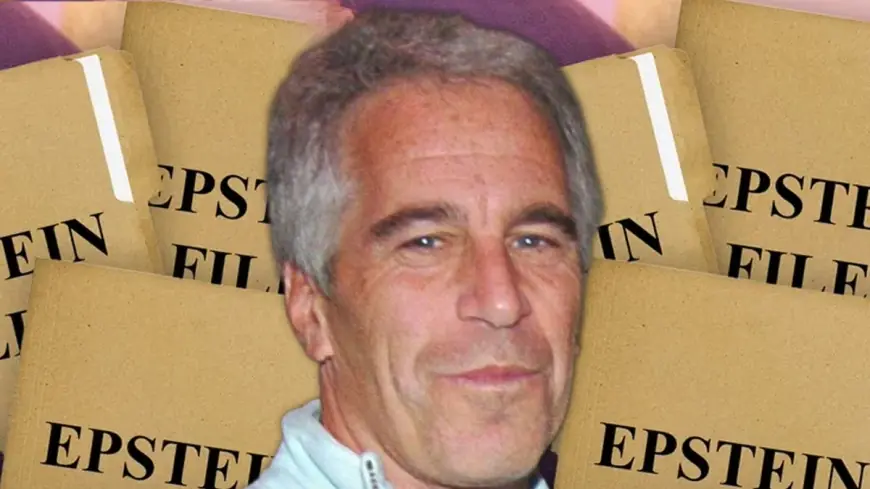
A new “Epstein files” release from the US Department of Justice has pushed the long-running Jeffrey Epstein case back into the center of US politics and internet culture, with fresh arguments over transparency, victim privacy, and what the public can responsibly conclude from raw investigative material. In recent days, the department has described its publication as a large-scale compliance effort under a new disclosure law, while also acknowledging that some items were taken down after concerns that victim-identifying information may have slipped through.
What happened in the latest Epstein files release
The department has published a massive trove of Epstein-related records in a multi-step process and said the release includes millions of pages, plus large quantities of images and videos. The stated aim is to centralize material tied to federal investigations involving Epstein and his associate Ghislaine Maxwell, while applying redactions intended to protect victims and sensitive information.
But the release has also produced a second headline: officials have said “several thousand” documents and media items were removed after internal review flagged potential privacy problems, including possible victim-identifying information. That pullback has fueled skepticism on two fronts at once: advocates demanding broader disclosure question whether the public is seeing the full picture, while victim-support voices warn that the speed and scale of publication raises the odds of harmful doxxing and misinterpretation.
What are the Epstein files, and what they are not
In practical terms, “the Epstein files” is a catchall phrase for records that can include investigative reports, contact logs, travel-related records, legal filings, photos, and other materials gathered over years. Some documents may be mundane; others can be deeply sensitive. Importantly, the presence of a person’s name in a record does not, by itself, establish wrongdoing. Investigative files often contain leads, unverified claims, third-party allegations, or references made for context.
That distinction matters because the latest release has already amplified viral name-checking: online communities are skimming for famous names, then recasting proximity as proof. This is where misinformation thrives, especially when conspiracy narratives try to retrofit unrelated scandals into a single storyline.
Behind the headline: incentives, stakeholders, and why this blew up now
The incentives are misaligned. Lawmakers and transparency advocates have political upside in pushing for maximum disclosure, particularly when public distrust in institutions is high. The Justice Department has institutional incentives to demonstrate compliance with the disclosure law and to appear responsive to public demand, while also minimizing legal exposure and protecting victims.
Victims and their advocates are stakeholders with the most at stake and the least control. Even heavily redacted releases can be reverse-engineered through context clues, especially when crowdsourced online. Meanwhile, high-profile figures who appear in records, whether as social acquaintances, professional contacts, or peripheral references, face reputational risk regardless of whether any allegation is substantiated.
This is also why “Trump Epstein” searches spike whenever a new batch drops. The political incentive to frame the material as either a smoking gun or a nothingburger is strong, and both sides benefit from selectively highlighting fragments that fit a preferred narrative.
What we still don’t know
Several key questions remain unresolved as of today ET:
-
How complete the published material is relative to what exists inside government systems, including communications involving senior officials
-
Whether additional removals will happen as privacy auditing continues
-
What standards are being used to decide what is redacted, what is withheld, and what is released
-
How much of the newly posted material is genuinely new versus repackaged, reorganized, or previously circulated in other forms
The uncertainty zone is where bad-faith actors thrive: they can claim a cover-up when something is withheld, and claim confirmation when an ambiguous reference appears.
What happens next: realistic scenarios and triggers to watch
-
Additional takedowns and re-posts: If privacy errors persist, expect more removals, followed by re-publication with heavier redactions.
-
Congressional pressure intensifies: If lawmakers argue the release is incomplete, hearings or formal demands could accelerate.
-
Inspector general or internal audits: A formal review could be triggered by complaints that the scope was too narrow or compliance was late.
-
Litigation over disclosure: Competing legal actions could emerge, with one side pushing for more public access and another pushing for stricter privacy protections.
-
More spillover abroad: Foreign officials and institutions may face scrutiny if documents reference international travel, meetings, or introductions.
Why it matters beyond the Epstein case
The Epstein files fight is now a template battle over how governments disclose sensitive investigative archives in the internet age. Release too little and you invite accusations of a cover-up. Release too much and you risk harming victims and contaminating public understanding with rumor-driven “open source” vigilantism.
The most practical takeaway for readers is also the least satisfying: treat viral claims as unconfirmed unless they are tied to clear, corroborated facts, and separate “mentioned in a record” from “accused,” and “accused” from “proven.” As the newest materials keep circulating, the next phase of this story will be less about what’s in a single PDF and more about who controls the narrative, how privacy is protected, and whether public institutions can publish transparently without turning victims into collateral damage.