






















Catherine O’Hara remembered as tributes highlight a career of fearless comedy

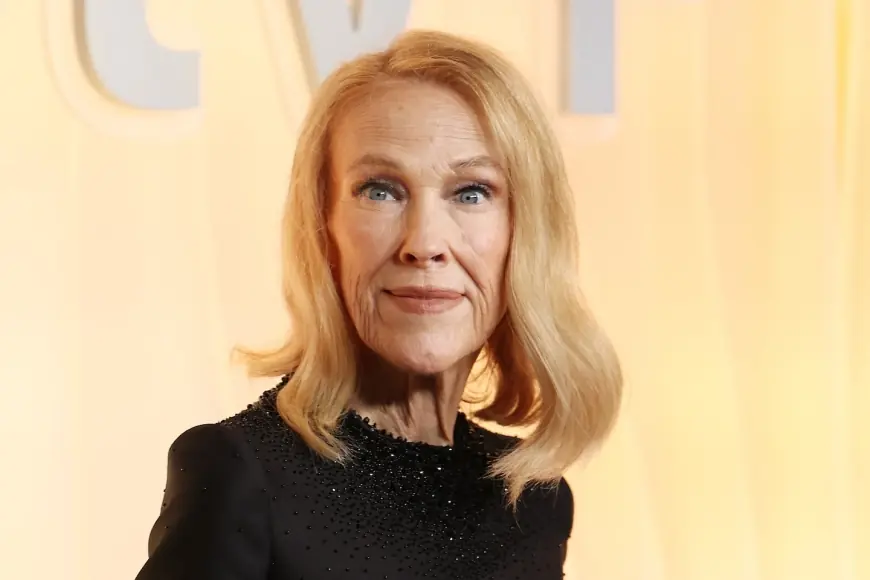
Catherine O’Hara, the Canadian-born actor and comedian whose sharp character work helped define modern screen comedy, has died at 71. Her representatives confirmed she died on January 30, 2026, at her home in Los Angeles following a brief illness; the cause of death has not been publicly disclosed.
The news immediately set off a wave of tributes from collaborators and fans who associated O’Hara with a particular kind of precision: outsized characters played with real emotional stakes. In the days since, renewed attention has also landed on the breadth of her work—spanning sketch, mockumentary-style ensembles, mainstream family comedies, and late-career dramatic turns that widened how audiences understood her range.
Catherine O’Hara’s final year in the spotlight
O’Hara remained professionally active and publicly visible through 2025, including appearances tied to awards season and career recognition. In September 2025, she was honored with a career achievement award at a major Toronto film event, presented by longtime collaborator Eugene Levy—an onstage moment that has since been widely revisited as one of her last prominent public celebrations.
That timing matters for how the industry is processing her loss: O’Hara’s late-career renaissance wasn’t a nostalgic victory lap. It was an extension of what she’d always done—building fully lived-in people, even when they were flamboyant, difficult, or hilariously self-absorbed.
Why her work lasted across generations
O’Hara’s screen presence had an unusual dual appeal. For some viewers, she was a foundational figure in household comedies—instantly recognizable, endlessly quotable, and crucially, never “just” a supporting note. For others, she became essential later, as streaming-era rediscovery and ensemble television pushed audiences toward character-driven comedy where her skills played best.
Her performances often worked on two levels at once: broad enough to be instantly readable, but specific enough that the character’s choices felt grounded. That combination is why her work stayed rewatchable and why, after the news of her death, clips and scenes circulated not as isolated punchlines but as miniature acting masterclasses.
Key takeaways from the latest tributes
-
Fellow performers have emphasized her generosity in ensemble settings and her meticulous preparation behind the scenes.
-
Industry reaction has focused on her ability to make extreme characters feel human, not cartoonish.
-
Viewership interest has surged in a range of her films, especially ensemble comedies that reward repeat watches.
-
Her recent dramatic work has resurfaced alongside her best-known comedic roles, underscoring her range.
A renewed focus on her film and TV catalogue
In the immediate aftermath, several of O’Hara’s signature projects have climbed back into public conversation—especially the ones that showcase her gift for building a character from voice, posture, and rhythm as much as dialogue. Interest has also extended to her collaborations in improvisation-forward films, where her comedic intelligence shows up not as “jokes,” but as choices that sharpen an entire scene.
A major streaming service also spotlighted a small collection of her films in recent days, reflecting a familiar pattern after the death of a major performer: audiences turn to the work to make sense of the loss, and platforms respond by making access easier. In O’Hara’s case, the selection has helped point casual viewers beyond the most famous titles toward deeper cuts where her craft is just as vivid.
What comes next: awards-season remembrance and legacy
The near-term focus is likely to shift from spontaneous tributes to formal remembrance. With awards season calendars and guild events ahead, O’Hara’s work is expected to feature prominently in “in memoriam” segments and retrospective programming. Those moments can sometimes feel ceremonial, but they also serve a practical purpose: they reintroduce an artist’s body of work to viewers who may only know one era of a long career.
O’Hara’s legacy, though, may be clearest in something less formal—how often her influence shows up in today’s character comedy. The current generation of performers who build big personas with emotional realism are working on terrain she helped map. Her best roles didn’t ask audiences to choose between laughing at a character and caring about them. She made room for both, often in the same line reading.
Sources consulted: Variety, Los Angeles Times, STAT, Golden Globes