
























Report Urges Pilots to Avoid Passengers in Risky Training Maneuvers

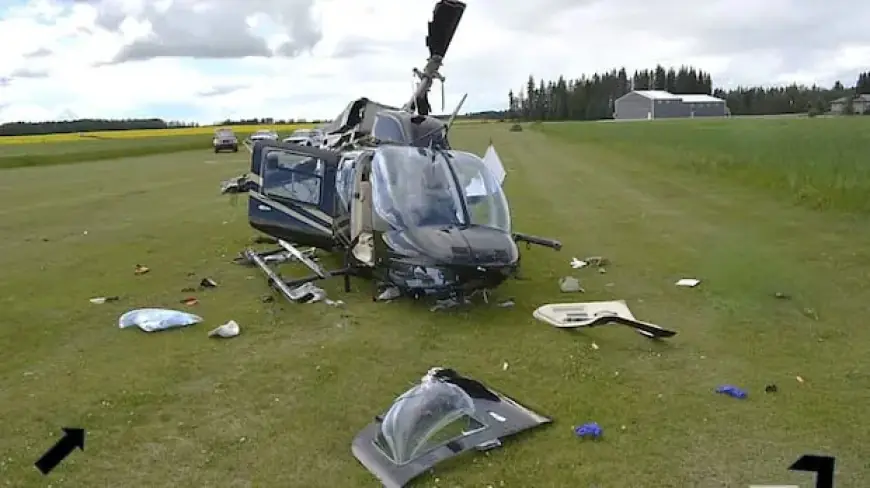
A recent report from the Transportation Safety Board (TSB) emphasizes the dangers of conducting risky training maneuvers while carrying passengers. The findings come after an investigation into a fatal helicopter crash in central Alberta.
Helicopter Crash Overview
The TSB issued their report on Thursday, detailing a crash involving a Bell Textron 206L-4 helicopter, commonly referred to as a LongRanger. The incident occurred during a private flight west of Red Deer in July 2025. The aircraft was piloted by a 63-year-old man from Lacombe County, Alberta, with a 54-year-old female passenger from Benalto on board.
- Date of Incident: July 2025
- Location: West of Red Deer, Alberta
- Aircraft: Bell Textron 206L-4 (LongRanger)
- Casualties: 1 fatality (passenger), 1 serious injury (pilot)
Practice Maneuvers Highlighted
The TSB report states that the pilot was practicing autorotation, an essential emergency procedure for helicopters, when the crash occurred. While the first attempt was successful, a second attempt resulted in the helicopter pitching upwards before descending sharply and crashing.
Allison Dymond, a senior investigator at the TSB, described the event as tragic and noted the inherent risks associated with autorotation training. She pointed out that training at lower altitudes increases risk factors significantly.
Recommendations for Pilots
According to the report, the practice of autorotation is critical for helicopter pilots but should be carefully considered when passengers are onboard. Currently, regulations differ between commercial and private operations, with restrictions only applicable to commercial flights.
Dymond urged pilots to conduct such training maneuvers without passengers present to mitigate risk. “Reducing the number of occupants improves safety,” she stated.
Safety Gear and Pilot Training
The report also highlighted safety concerns regarding head injuries, noting that neither the pilot nor the passenger wore helmets during the flight. Helmets are not mandated, but their use has been lauded for preventing injuries in helicopter accidents.
| Importance of Helmet Use |
|---|
| Helmets protect against head injuries in crashes. |
| They reduce impact force during rollover incidents. |
| Helmets can safeguard against injuries from bird strikes. |
Experts emphasize the necessity of comprehensive pilot training to enhance safety in aviation. Mina Enayatollahi, an assistant professor at Mount Royal University, stressed that the learning curve in aviation safety requires better preparation for challenging maneuvers.
“Aviation safety is about learning. Strong training can help prevent incidents,” she concluded.
As the TSB continues to advocate for improved training procedures and safety gear, the focus remains on reducing risks associated with helicopter operations, especially during critical training exercises.