

























Selling Military Bases Weakens Defense, Signals Surrender

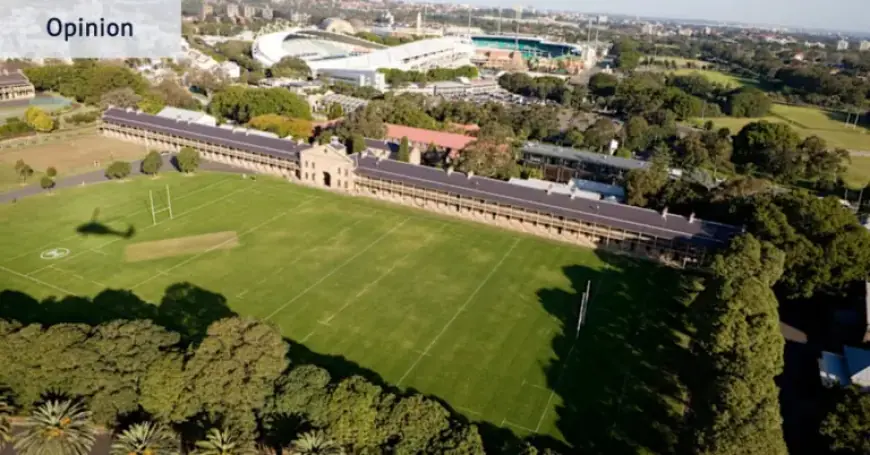
The Albanese government’s decision to sell the Victoria Barracks in Sydney, Melbourne, and Brisbane has sparked significant debate. Marketed as a measure for fiscal discipline, the government claims the sale could generate between $1.8 billion to $3 billion. However, critics argue that such a move undermines Australia’s defense capabilities and heritage.
Selling Military Bases Weakens Defense
The proposal is framed around high maintenance costs and underutilized land. On its surface, this rationale seems pragmatic. However, it ultimately reflects a troubling pattern in Australian governance—short-sightedness that compromises long-term interests.
The Significance of Victoria Barracks
- Victoria Barracks are vital parts of Commonwealth real estate.
- These sites hold deep civic and military significance.
- Once sold, the potential for future use and preservation diminishes considerably.
Past experiences illustrate this issue well. Over the decades, various Australian governments have sold critical properties, only to lease them back at higher costs. Noteworthy instances include the sale of the Australian embassy residence in Tokyo during the 1990s, which led to escalating rental commitments that future taxpayers must endure.
Long-term Consequences
While there is currently no plan to lease back the Victoria Barracks, historical precedent warns against relinquishing strategic assets. Selling these valuable sites risks limiting options for future defense or public needs.
- Possible future uses for the barracks include:
- Defense education and training.
- Veterans’ services.
- Public museums.
- Civic spaces.
Adaptive reuse of these heritage precincts is not just feasible; it is often more cost-effective than acquiring new sites in urban areas. Once these properties are sold, creating similar spaces becomes extremely difficult.
Financial Implications and Defense Spending
Australia’s defense budget currently allocates up to $368 billion for the AUKUS submarine program. The financial concern of maintaining the heritage barracks becomes minor when viewed in this context.
If fiscal responsibility is truly the goal, many other areas within Defense spending require scrutiny. The department has seen increased layers of management and a heavy reliance on contractors, costs that continue to grow yearly.
A Cultural Shift in Governance
The decision to sell the Victoria Barracks may provide a temporary boost to budget figures. However, it will not fortify the nation’s defense or contribute to its long-term wealth or wisdom.
Various stakeholders, including veterans’ organizations and community leaders, have raised alarms about the implications of this sale. There is a pressing concern about the continuation of a trend where valuable public assets are liquidated for short-term financial relief, leading to overhead costs and regret in the future.
Professor Clive Williams, a former army officer and director of the Terrorism Research Centre in Canberra, emphasizes the need to reconsider how public assets are valued. To safeguard Australia’s heritage and defense capabilities, a strategic approach is essential.