
























Marco Rubio Steps Down as National Archives Acting Head

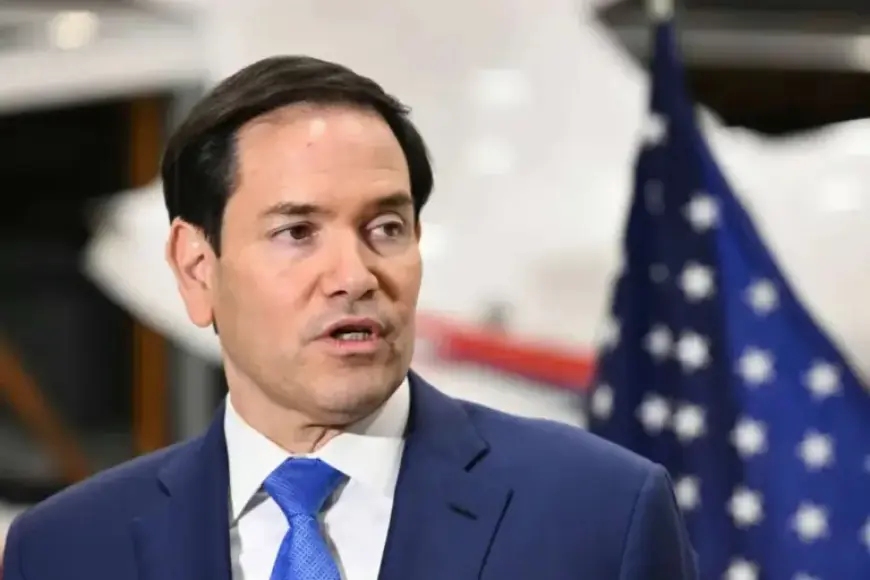
Marco Rubio has officially stepped down from his role as the acting head of the National Archives and Records Administration (NARA). He held this position for nearly a year, following his appointment in compliance with federal regulations. A statement from a NARA spokesperson confirmed that Rubio is no longer serving in this capacity, adhering to the Federal Vacancies Reform Act, which limits the tenure of acting officials to 210 days. This period can extend to a total of 300 days under certain conditions, such as during a presidential transition.
Transition of Leadership at NARA
As part of the leadership transition, Rubio has appointed James Byron, a senior advisor, to assume the responsibilities of the archivist. Currently, NARA lacks a deputy archivist, which is typically designated to fill the acting role by law. Recent reports indicate that official portraits of Rubio were removed from NARA’s offices in Washington, D.C., and Maryland, reflecting this leadership change.
- Position: Acting Head of NARA
- Tenure: Nearly one year
- Successor: James Byron
Implications for NARA and Federal Recordkeeping
Experts emphasize the crucial role of the archivist in preserving U.S. history. Jason R. Baron, a former NARA director, highlighted that the position demands full-time attention. As Rubio departs, questions about effective management of federal records linger, particularly regarding the upcoming transfer of records following the presidential term.
Complications also arise due to ongoing investigations surrounding the Trump administration. These include allegations involving mishandling classified documents and the use of encrypted communication tools, which may have obstructed proper recordkeeping protocols. Critics, including Democratic lawmakers, have voiced concerns regarding potential conflicts of interest stemming from Rubio’s multiple roles within the administration.
- Concerns Raised: Rushed disposal of records and conflicts of interest
- Legal Actions: Lawsuit by American Oversight regarding federal records violations
- Calls for Investigation: Inquiry into the use of unauthorized communication methods
Looking Ahead
As the National Archives prepares for a new chapter, securing a permanent appointment for the archivist becomes essential. Experts stress the need for an immediate nomination by the president to ensure seamless record transitions at the conclusion of the current administration’s term. The significance of this role cannot be understated, as it guarantees that vital historical documents are adequately maintained and accessible to the public.
The continued evolution of leadership at NARA presents both challenges and opportunities in upholding the integrity of America’s historical records. As these developments unfold, the focus on effective governance in the realm of national archiving remains paramount.