
























U.S.-Russia New START Nuclear Treaty Expiry: Why It Matters

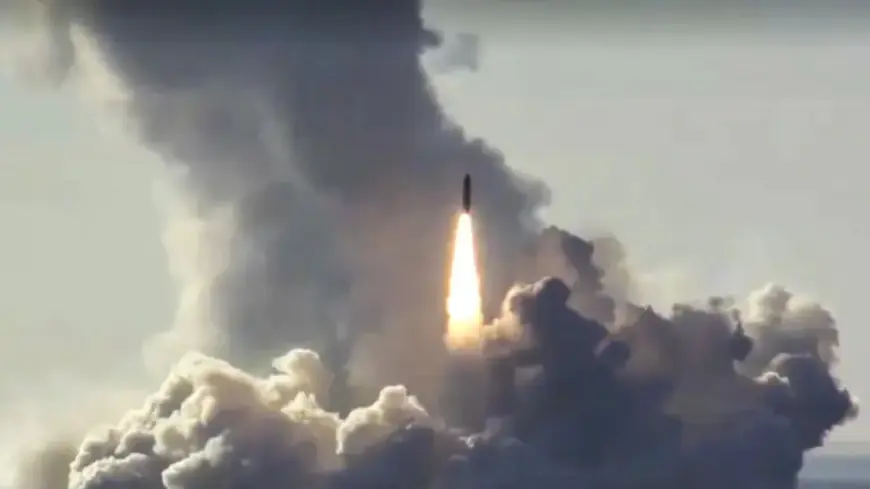
The expiration of the New START treaty between the United States and Russia marks a significant shift in global nuclear arms control. This treaty, which had been in effect since its signing in 2010, established limits on the deployment of nuclear weapons. With its conclusion, both nations now face a landscape without constraints on their nuclear arsenals.
The Importance of the New START Treaty Expiry
The New START treaty was negotiated under President Barack Obama and served to manage nuclear weapons between the two superpowers. It reduced the number of warheads each side could deploy to 1,550, a considerable decrease from the estimated 12,000 during the Cold War. Alongside warhead limits, the treaty included a robust verification system, with over 25,000 notifications exchanged throughout its duration.
The Shift in Arms Control Dynamics
Christine Wormuth, president of the Nuclear Threat Initiative, highlighted the significance of the treaty’s expiration. She noted, “There are no more guardrails on the sizes of the United States and Russian strategic nuclear arsenals.” In this void, experts fear a potential arms race could develop, particularly with China pursuing an expanded nuclear arsenal.
- The New START treaty was effective for 15 years and allowed for a five-year extension.
- Russia and the U.S. last extended it in 2021, shortly before the invasion of Ukraine, which disrupted further negotiations.
- Many in the arms control community believe that an immediate arms race is unlikely, despite concerns for the future.
Risks and Future Considerations
The absence of the treaty may not trigger an arms race immediately, but it heightens the risk of one emerging over time. Wormuth pointed out the burden of an arms race would weigh heavily on U.S. finances, especially amid rising national debt. Plans to upgrade existing nuclear arsenals are already projected to cost around one trillion dollars over the next decade.
Engagement with China
The future of arms control may increasingly rely on China’s involvement. U.S. Secretary of State Marco Rubio emphasized that meaningful arms control is unattainable without China participating in discussions. This indicates a potential re-evaluation of how the U.S. approaches nuclear arms in light of new geopolitical challenges.
Conclusion
With the New START treaty’s expiration, the strategic landscape for nuclear weapons has changed. Both Russia and the United States face decisions that could lead to a significant shift in their military strategies. Engaging in constructive dialogue and finding new frameworks for arms control will be essential to maintain global security.