NBA trades deadline rules: timing, trade calls, and why “reported” deals can take hours to become official

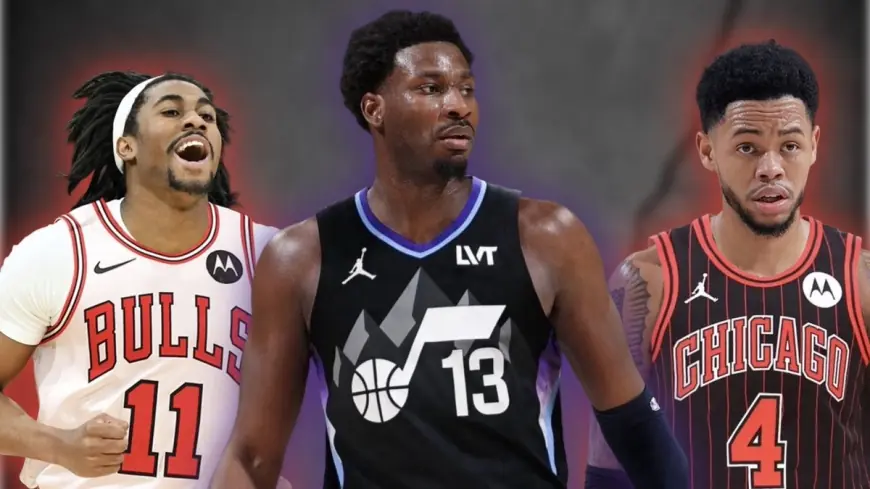
Every February, fans see a familiar pattern: a trade “breaks” minutes before the deadline, then the teams don’t confirm anything for a long time—sometimes not until late evening. That gap isn’t (usually) a sign the trade is falling apart. It’s the normal lag between a deal being agreed to in principle and the league formally approving it.
The deadline clock and what “on time” means
The NBA trade deadline is a 3:00 p.m. ET cutoff. By that time, teams must have agreed to the trade terms and submitted the transaction to the league office. The paperwork and processing can continue afterward, but the deal itself has to be in the league’s hands before the bell.
That’s why you can still see trades become “official” after 3:00 p.m. ET: the agreement was made by the deadline, but the league is still working through the queue.
What a “trade call” actually is
After teams have a framework (players, picks, protections, cash considerations), they schedule a trade call with the league office. Think of it as the league’s formal checklist, not a ceremonial confirmation.
On the call, the league and teams walk through:
-
exact contracts and salaries moving (including bonuses and any trade kickers)
-
draft picks (years, protections, convey details, and whether the pick is even allowed to be moved)
-
cap mechanics (exceptions, matching rules, apron/hard-cap triggers, aggregation limits)
-
timing requirements (when players report, any cash deadlines)
-
medical/insurance information exchanges and physical language (if applicable)
The league’s job is to confirm that what the teams agreed to is CBA-compliant and precisely documented.
Why deals can take hours to become official
On deadline day, the league office can be processing a pile of trades at once. A trade agreed to at 2:58 p.m. ET may be “in line” behind many other submitted transactions—especially if the market is busy.
Here are the most common reasons the lag stretches from minutes to hours:
-
Queue congestion: multiple deals hit at once and are processed sequentially.
-
Multi-team complexity: three-, four-, or five-team constructions require more contracts, more picks, and more points of failure.
-
Cap/apron verification: teams near the tax or apron lines need extra confirmation that the math is correct and doesn’t accidentally hard-cap them.
-
Draft-pick details: protections, swaps, and “Stepien Rule” limitations can require rechecking language and prior obligations.
-
Final term clean-up: a second-rounder added, cash removed, or a protection tweaked can force a revised submission and a new review.
Until the league approves the deal, teams usually avoid public confirmation because the terms can still be adjusted to meet the rules.
Physicals: important, but not always the stopper
Fans often assume a trade can’t be completed until a player “passes a physical.” In reality, physical exams are common but not universally required for a trade to be approved in the immediate sense. Teams typically exchange medical information, and the receiving team can decide whether it wants to require a physical, waive it, or set conditions.
Where physicals do matter: if the receiving team finds something significant, the trade can be reworked or, in rare cases, voided. That process can take time—especially when the player isn’t immediately available for an exam, or when multiple players in a big trade have to be cleared.
Why “official” announcements can come even later
Even after league approval, teams may wait to announce until they:
-
coordinate travel/reporting details with the players and agents
-
handle press release language consistently across all teams in the trade
-
update internal rosters and transaction logs
-
prepare any required follow-on moves (waivers, roster spots, two-way conversions)
That’s also why the league’s “official trade tracker” can be the cleanest way to confirm what is done versus what is merely agreed.
How to read deadline-day news without getting whiplash
If a deal is widely circulating but not official yet, the most reliable interpretation is simple: the terms are agreed, the league processing is ongoing, and final approval is pending. The longer the delay, the more likely the deal is complicated—not necessarily doomed.
The biggest red flags to watch for are not time itself, but language changes (a pick turns into two seconds, a player gets swapped, or a protection suddenly appears). Those shifts usually mean the league or teams found a compliance snag and are fixing it.
Sources consulted: NBA.com, NBA Collective Bargaining Agreement (2023), Sports Illustrated, Sports Business Classroom