





















NBA Trades Frenzy Accelerates in Final Hours as Teams Scramble Before the 3:00 p.m. ET Buzzer

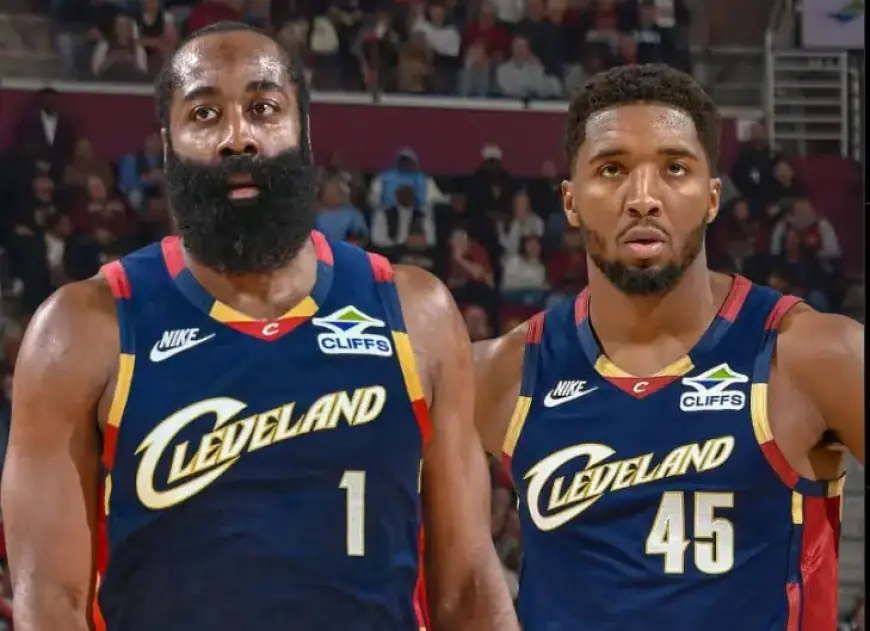
With the NBA trade deadline hours away, the league has entered its most familiar state: maximum noise, minimal certainty, and a race against paperwork. As of midday Thursday, February 5, 2026, the market is moving fast on role players and salary mechanics, but the biggest “star dominoes” remain unconfirmed. Front offices are operating in parallel lanes—one lane for real negotiations, another for leverage—and the last stretch before 3:00 p.m. ET is where those lanes often collide.
What happened so far: motion without finality
The league’s trade environment is defined by volume, not clarity. Multiple teams have been actively reshaping the margins of their rotations—adding shooting, backup size, or perimeter defense—while contenders and would-be contenders probe for a game-changing upgrade. The result is an information flood where many conversations are real, but only a fraction become completed trades.
The key point today is procedural: even if a deal is agreed to, it must be filed and approved before the deadline. That’s why you can see “reported” activity that never materializes, and why deals sometimes appear to surface after 3:00 p.m. ET even though they were finalized in time.
Why the star dominoes are still not confirmed
The biggest names are harder to move because they require all of the following to align at once:
-
Matching salaries without gutting the roster that’s supposed to contend afterward
-
Draft pick value that satisfies a seller without crippling a buyer’s future
-
Medical comfort and risk tolerance, especially for players with recent injuries
-
A third or fourth team to route contracts and create clean cap math
-
A fast agreement on protections and swap language, which often takes longer than fans realize
By contrast, role-player trades are simpler: a team can decide it needs a shooter, send out two contracts, attach a second-round pick, and move on. Star trades are negotiations over identity and timeline, not just talent.
Behind the headline: incentives, stakeholders, and leverage games
The final hours are less about “who wants who” and more about who can force whom to blink.
Incentives driving buyers
Contenders feel urgency because the standings compress pressure. One extra rotation piece can swing a playoff series, and a star can redefine title odds overnight. Executives also know the psychological risk of inactivity: standing still while rivals improve can be more damaging than making an imperfect deal.
Incentives driving sellers
Teams outside the race want maximum return and minimum regret. If they move a star, they must sell the fan base on a coherent future—young talent, picks, and flexibility that look like a plan rather than a retreat.
Stakeholders with the most at stake
-
Stars whose reputations and careers can be reshaped by a new situation
-
Coaches who must integrate new players with no practice time
-
Fan bases measuring ambition versus patience
-
Owners weighing short-term cost against long-term valuation
-
Agents, whose clients’ roles and next contracts can change instantly
Second-order effects
Even rumors matter. If a team publicly appears to chase a star and fails, that can still raise future prices because rivals learn the buyer’s desperation level. Meanwhile, a team that “leaks” interest can nudge a current player’s morale and locker-room trust, which can linger after the deadline even if no deal happens.
What we still don’t know: the missing pieces that decide today
The market’s biggest unanswered questions as the clock ticks:
-
Which team, if any, decides to pay the premium for a star rather than settle for depth
-
Whether any “available” star is truly available, or simply being used to raise offers
-
How medical information is influencing negotiations behind closed doors
-
Which multi-team frameworks are real enough to file before 3:00 p.m. ET
-
Whether a single surprise deal forces a chain reaction of copycat moves
Because none of that is fully visible, the most honest framing right now is simple: this is a developing situation until a trade is officially processed.
What happens next: 5 realistic scenarios with clear triggers
-
Role-player avalanche, no superstar shock
Trigger: asking prices for top names stay high and buyers choose safer upgrades. -
One star moves and the market breaks open
Trigger: a buyer overpays, resetting the price of every other notable player instantly. -
Three-team “math trades” dominate
Trigger: salary matching becomes the main obstacle, requiring extra teams to route contracts. -
Deals are “done” but details drip out after the buzzer
Trigger: the agreement is reached before 3:00 p.m. ET, but approvals and full terms surface later. -
No blockbuster now, but the offseason is preloaded
Trigger: teams decide to keep stars through the deadline, then revisit when draft picks and cap space are clearer.
Why it matters
Trade deadline day is a pressure test of conviction. Some teams are trying to win now, others are trying to avoid the worst version of their future. The frenzy you’re seeing isn’t chaos for its own sake—it’s the visible edge of a system where one decision can swing standings, jobs, and reputations.
Until official confirmations land, the safest read is this: the league is moving, the phones are hot, and the final hours are where either the biggest domino falls—or the absence of a domino becomes the story.