






















Bill Gates, Melinda French Gates, and the Epstein files: what’s new, what’s not

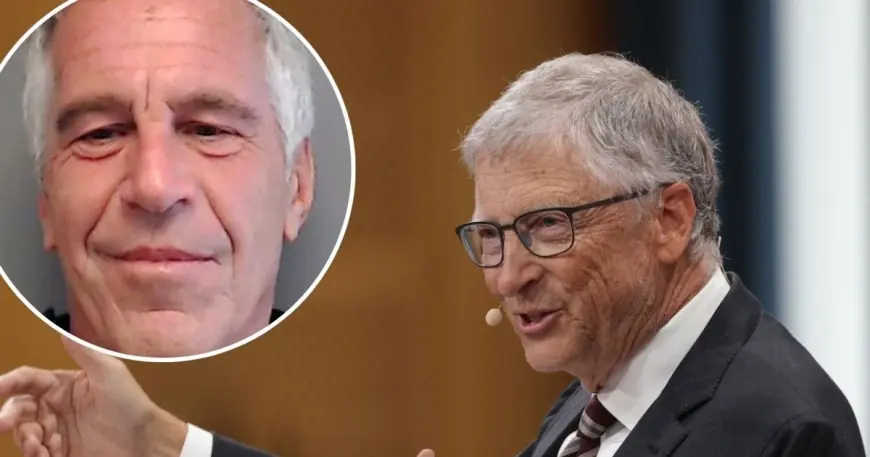
A new batch of Jeffrey Epstein-related documents released in late January 2026 reignited scrutiny of Bill Gates’ past contacts with Epstein and prompted fresh public comments from Melinda French Gates. The documents include emails drafted by Epstein containing sensational claims about Gates—claims Gates’ representatives have flatly denied—while also reviving a familiar online swirl that tries to tie the story to pop-culture touchstones like Eyes Wide Shut and to the Rothschild family.
What the latest Epstein files say about Bill Gates
The most-discussed Gates material in the newly released “Epstein files” centers on two emails Epstein wrote to himself dated July 18, 2013. In those emails, Epstein included unverified allegations about Gates’ personal life and health, and suggested Gates sought antibiotics and other help to manage consequences from alleged sexual encounters. None of those claims are established as facts in the documents themselves; they appear as Epstein’s assertions.
Gates’ side has responded through a spokesperson, rejecting the allegations as false and characterizing the emails as part of Epstein’s efforts to entrap or defame prominent people. In practical terms, the new release has not produced a public filing that accuses Gates of a crime. Instead, it has amplified attention on the pattern long associated with Epstein: cultivating proximity to powerful figures and using that access to project influence.
Melinda French Gates: “They need to answer”
In a recent podcast interview released this week, Melinda French Gates said the resurfacing of Epstein-related details is personally difficult and brings back painful memories from her marriage. She also argued that remaining questions about the claims raised in the documents should be answered by the people involved, including her ex-husband, rather than by her.
Her remarks matter because they connect a recurring public narrative—Gates’ acknowledged “mistake” in spending time with Epstein—to the private consequences that have been part of the couple’s public history since their divorce. The interview didn’t add new evidence about Epstein’s conduct, but it did add a new layer of accountability language from someone who was close to the situation.
When did Epstein die, and why the date still matters
Jeffrey Epstein died in federal custody on August 10, 2019, at the Metropolitan Correctional Center in New York City. The official finding was suicide by hanging, though his death has remained a magnet for speculation and misinformation.
Because Epstein’s death ended the criminal case against him before trial, each new release of documents tends to trigger two parallel reactions: renewed calls for transparency and renewed online rumor. That dynamic is part of why the timing of releases—rather than any single new document—often drives the week’s headlines.
Why Eyes Wide Shut keeps getting dragged in
The 1999 film Eyes Wide Shut is a psychological drama that includes a masked secret-society orgy scene. Over the years, some online communities have tried to treat the movie as an “exposé” or coded reference to real-world elites, and the Epstein story routinely becomes a hook for that kind of claim.
There is no verified, direct connection between the film and Epstein’s crimes, and it remains a work of fiction with a long history of being reinterpreted through conspiracy lenses. The movie’s imagery is a convenient shorthand for secrecy and decadence, which is precisely why it gets recycled whenever a scandal involves the wealthy or famous.
The Rothschild family: real history, false narratives
The Rothschilds are a prominent European Jewish family with a long, well-documented history in finance and philanthropy. They are also one of the most frequent targets of antisemitic conspiracy theories that claim Jews secretly control banks, governments, or global events.
That backdrop matters here because some social-media narratives attempt to braid together “Epstein,” “Bill Gates,” “Eyes Wide Shut,” and “Rothschild family” into a single story. The connective tissue is typically insinuation rather than evidence. In the current moment, the practical, verifiable point is narrower: the headlines are being driven by newly released documents, Gates’ denial of Epstein’s claims, and Melinda French Gates’ public reaction to seeing the issue resurface again.
Key facts at a glance (ET)
-
Aug. 10, 2019: Jeffrey Epstein died in federal custody in New York City.
-
July 18, 2013: Epstein drafted emails to himself containing unverified allegations about Bill Gates.
-
Feb. 3–5, 2026: Melinda French Gates discussed the renewed attention in a podcast interview; the latest document coverage circulated widely.
Sources consulted: U.S. Department of Justice, NPR, People, Encyclopaedia Britannica