

























Epstein files: DOJ adds millions of pages as redactions and politics intensify

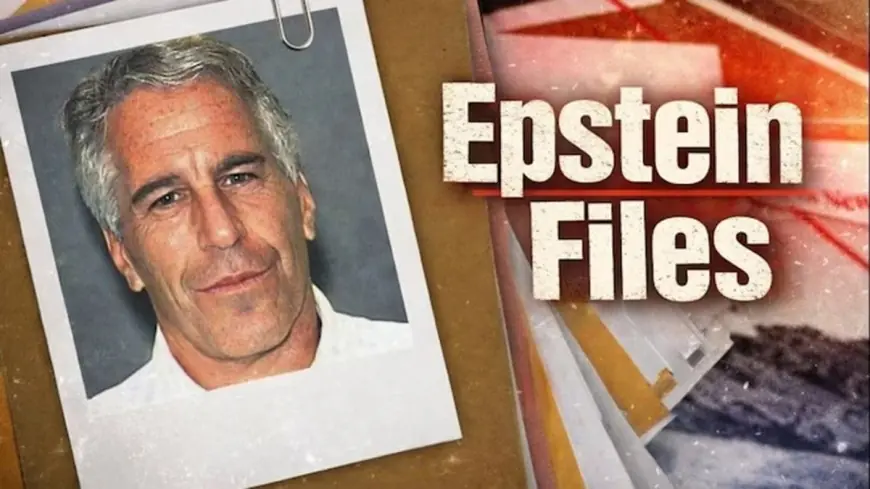
The Justice Department expanded its public release of the “epstein files” in late January and then moved this week to correct redactions after concerns that some files may have exposed sensitive victim information. The new material—posted in large batches that include PDFs, images, and videos—has reignited a familiar cycle: intense public scrutiny, political pressure for fuller disclosure, and viral claims online that are not backed by the documents themselves.
What the new DOJ release contains
On Friday, January 30, 2026 (ET), the Justice Department announced a major new publication under the Epstein Files Transparency Act, describing an additional release of millions of pages along with a large volume of images and video. The department’s “epstein files” library was then updated again this week, reflecting ongoing additions and maintenance to the public-facing archive.
The size and format of the dump is a core reason it’s dominating attention: large, searchable PDFs and supporting media can be quickly excerpted and circulated, even when a page is incomplete, heavily redacted, or simply an administrative record that doesn’t establish context by itself.
Redactions, privacy, and a new correction effort
As of earlier this week (ET), the federal government acknowledged it is correcting redactions in some Epstein-related files after concerns that certain releases may have included identifying information about victims. That shift has put the mechanics of disclosure—what is redacted, why, and how quickly corrections happen—at the center of the debate.
This is also why broad “doj epstein files released” headlines can be misleading without specifics. A document’s presence in a public tranche does not mean it is newly discovered, newly authenticated, or newly probative; it often means it has been processed for public release under a legal and privacy framework that can change as issues are found.
What people mean by “the epstein files”
In public conversation, “the epstein files” is used as a catch-all for materials tied to investigations and litigation involving Jeffrey Epstein and associated figures. In practice, the term can cover:
-
investigative paperwork (reports, logs, contacts, travel or scheduling references),
-
interview summaries and investigative leads,
-
court filings or exhibits from related proceedings,
-
media files that may require additional context to interpret.
That ambiguity is fueling “epstein files search” trends and repeated requests for an “epstein files pdf” that functions like a single master document. The current releases are better understood as a library of data sets rather than one definitive file.
Trump, DOJ leadership, and Congress pressure
The current wave is unfolding in an explicitly political environment. The transparency law compelling the releases was signed in late 2025, and senior Justice Department leadership has been drawn into a dispute over whether compliance is complete and whether Congress should be allowed to view unredacted material under controlled conditions.
Separate from the legal process, “trump epstein” and “trump epstein files” queries are surging alongside renewed attention to other prominent names from past reporting and prior court disputes, including Bill Clinton and Bill Gates. The documents being released can include names in many different contexts—some meaningful, some incidental. A name appearing in a contact list, message thread, calendar entry, or third-party statement does not establish wrongdoing on its own, and many pages are fragments that require corroboration.
Viral name-checks and misinformation risks
Online discourse has also fused the document release with a wide constellation of trending claims: “jay z epstein,” “pusha t epstein files,” “jamie foxx,” “howard lutnick,” “harvey weinstein,” “noam chomsky,” “steve bannon,” “michael wolff,” and even older internet conspiracies such as “pizza gate” or allegations involving “mossad.” Much of this is driven by screenshots and selective excerpts that move faster than verification.
At this point, it remains unclear which viral claims are grounded in authentic, contextualized records versus misread pages, misattributed documents, or outright fabrications. The clearest near-term signal of credibility is whether a claim can be traced to an identifiable record in the official release set and then supported by additional documentation or sworn testimony in established proceedings.
Key takeaways (as of Thursday, Feb. 5, 2026, ET)
-
The Justice Department’s release is large and ongoing, organized as a public library of materials rather than a single “epstein files pdf.”
-
The government is correcting some redactions after concerns about exposing victim information.
-
Political pressure is rising over access to unredacted files and whether the releases satisfy the transparency law.
-
Viral celebrity and conspiracy claims are spreading faster than verification; many are unconfirmed or lack context.
What to watch next
The next developments to track are procedural rather than sensational: additional library updates, clearer indexing, correction notices tied to redactions, and any formal accommodations for congressional review of unredacted material. If new tranches continue to appear, attention will likely shift from “new epstein files released today” chatter to the more practical questions—what is genuinely new, what is duplicative, and what changes the factual record in a way that can be tested in court or oversight settings.
Sources consulted: U.S. Department of Justice, Associated Press, Congress.gov, Reuters