










EU Sports Chief Criticizes Football Boss’s Call to Lift Russia Ban

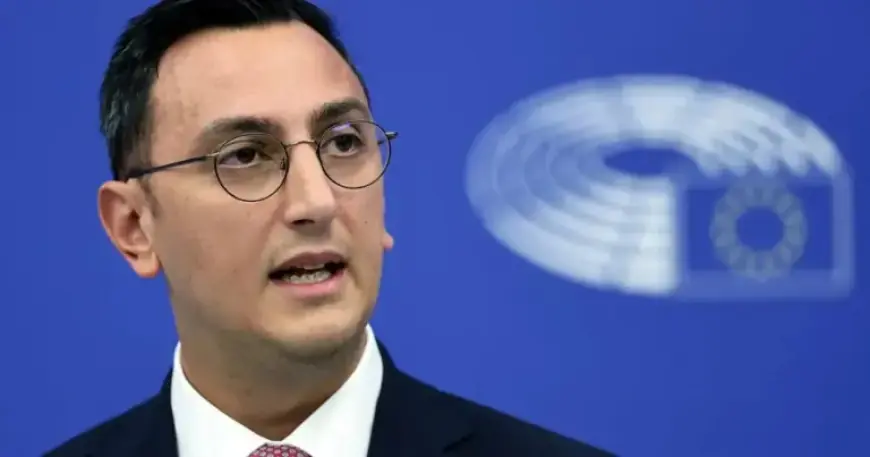
European sports officials have voiced strong criticism regarding FIFA President Gianni Infantino’s recent suggestion to lift the ban on Russian football teams. Micallef, a prominent sports leader, expressed deep concerns that allowing aggressors into global football undermines the sport’s integrity and ignores the significant security risks stemming from the ongoing conflict.
Reactions from Ukraine
The response from Ukraine was immediate and severe. Andrii Sybiha, Ukraine’s Foreign Affairs Minister, highlighted the tragedy of 679 Ukrainian children who lost their lives due to the war. He emphasized that while the conflict continues, discussions to lift bans on Russian participation are morally unacceptable.
Kremlin’s Response
The Kremlin reacted positively to Infantino’s comments. Dmitry Peskov, the Kremlin spokesman, stated, “We have seen these statements and we welcome them. It’s high time to think about this.” This reaction underscores the divisive nature of Infantino’s proposal in the context of ongoing hostilities.
World Cup Context
The men’s World Cup, set to take place this summer in the U.S., Mexico, and Canada, complicates the situation. Even if the ban were lifted, Russia would remain ineligible due to its absence from prior qualifying rounds.
Broader Implications
This debate raises critical questions about accountability in sports. Micallef argued that sport cannot be separated from the broader societal and political context. As the international community grapples with this issue, the voice of Ukraine remains a poignant reminder of the conflict’s human cost.
- Key Figures: Gianni Infantino, Andrii Sybiha, Dmitry Peskov
- Key Statistics: 679 Ukrainian children killed
- Event: Men’s World Cup hosted in the U.S., Mexico, and Canada
Furthermore, the stance on Russian athletes is shifting. Kirsty Coventry, President of the International Olympic Committee, indicated that athletes should not be punished for their government’s actions. As discussions evolve, the global sports community remains at a crossroads, tasked with balancing ethics and competition.