

























Scott Bessent Critiques Trump Tariffs’ Impact on Inflation

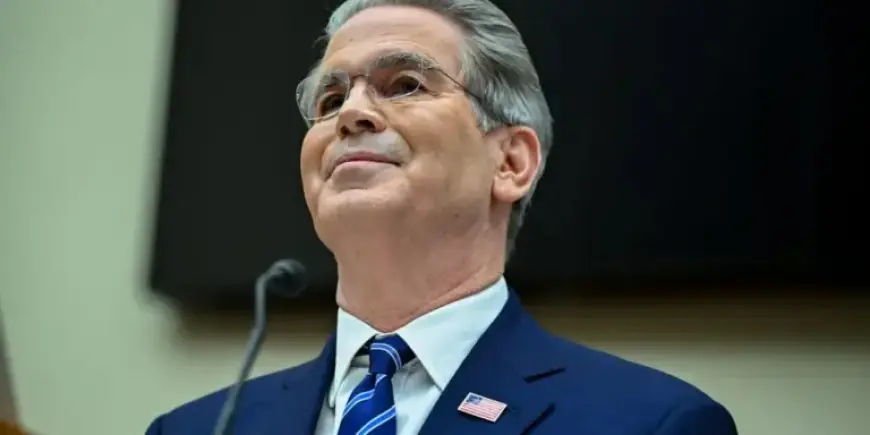
In a recent House Financial Services Committee hearing, Treasury Secretary Scott Bessent engaged in a contentious exchange with Representative Maxine Waters regarding the economic implications of President Trump’s tariff policies. The focus of the discussion centered on the effects of these tariffs on inflation and housing costs.
Confrontation Over Tariffs and Inflation
The hearing turned chaotic when Waters, the committee’s ranking member, questioned Bessent’s evolving stance on tariffs. She specifically asked if he had communicated to hedge fund investors that tariffs are inflationary. Bessent firmly denied having done so, despite a report from the Wall Street Journal indicating he expressed this view as recently as February 2024.
In that communication, Bessent noted that “tariffs are inflationary and would strengthen the dollar,” questioning their effectiveness for domestic industry. Waters challenged him further, highlighting contradictions between his previous remarks and current statements regarding tariffs.
Debate on Economic Data
Waters referenced a New York Times article where Bessent previously claimed that there was no inflation related to tariffs. She pressed him for clarity on whether tariffs increase consumer costs. Bessent countered with data from the San Francisco Federal Reserve, suggesting that historical evidence shows tariffs do not cause significant inflation.
- Bessent referenced 150 years of data supporting his argument.
- He attributed major inflation episodes to factors such as wars and oil shocks, not trade barriers.
Tariffs and Housing Costs
The dialogue intensified as Waters accused the Trump administration of making housing less affordable through tariffs on essential construction materials. She argued that these policies could lead to a significant decrease in new home construction at a time when demand is crucial.
According to Waters, tariffs on materials like lumber and steel ultimately increased prices for consumers and negatively impacted the housing market. Despite Bessent’s attempt to argue otherwise, the tension only escalated, culminating in sharp exchanges between the two.
Evidence of Tariff Impact
Waters underscored that research indicates substantial pass-through from tariffs to consumer prices, suggesting that Trump’s tariffs have contributed to inflation, particularly in sectors critical to housing. While Bessent maintained that the share of tariffs in total consumption is limited, the broader impact on families facing rising costs was emphasized by Waters.
The hearing illustrated a notable divide between the two officials. Bessent’s argument equated modest tariff impacts to being irrelevant, while Waters highlighted that these impacts are significant for everyday American households dealing with increased prices.
This ongoing debate regarding the implications of Trump’s tariffs on inflation and housing affordability remains a pivotal topic in economic discussions today.