























2026 Winter Olympics begin with curling as women’s hockey opens Thursday in Milan

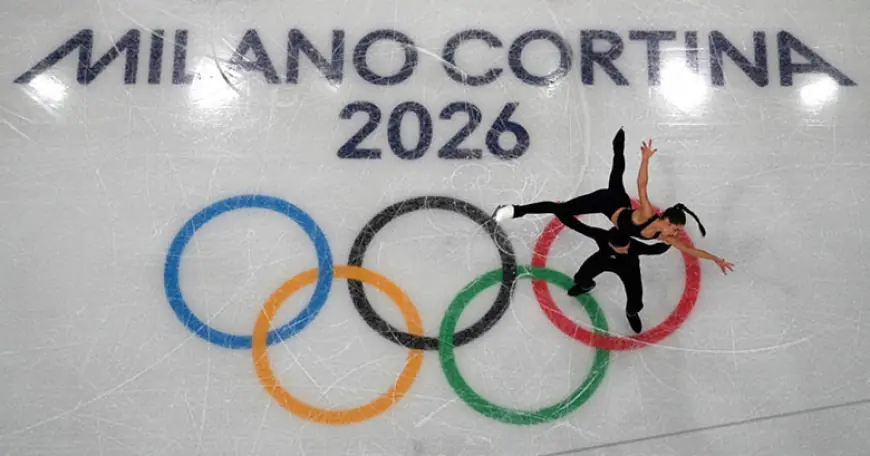
The 2026 Winter Olympics are underway in northern Italy after mixed doubles curling opened competition Wednesday, February 4, in Cortina d’Ampezzo—only to be briefly interrupted by a short power outage that cut lights and paused play. Organizers restored power within minutes and competition resumed, but the hiccup put early attention on operations just as the schedule accelerates into Thursday, when women’s hockey begins in Milan and Italy’s gold-medal curlers start their title defense on home ice.
Curling opens the Games with a quick scare
Mixed doubles curling is the first medal event on the calendar, and it began with the kind of unscripted moment organizers hope never makes the highlights: a brief blackout that shut off arena lighting and disrupted timing and score displays. The pause was short, but it arrived right as the Olympics were introducing themselves to the world in real time.
The interruption did not appear to affect ice quality or the remainder of the session, and the building returned to normal quickly. Still, early competition days tend to magnify any problem—because every small delay becomes a referendum on readiness.
Italy’s curlers defend home ice Thursday
Thursday brings a central early storyline: Italy’s mixed doubles champions Stefania Constantini and Amos Mosaner begin their Olympic title defense in Cortina. The duo’s return is a major local draw, especially with Constantini’s ties to the Cortina curling venue and the rarity of an Olympic gold defense happening at home.
Italy opens its round-robin slate Thursday with two matches, first against South Korea and later against Canada. For Constantini and Mosaner, the challenge is not just competitive pressure, but the weight of expectation in a venue filled with home fans and a national spotlight that has grown since their breakthrough.
Women’s hockey starts Thursday in Milan: key first-day matchups
Women’s hockey begins Thursday, February 5, with the tournament staged in Milan. The opening day offers a packed slate that immediately sets the group-stage table.
Thursday, Feb. 5 (ET)
-
6:10 a.m. ET — Sweden vs. Germany
-
8:40 a.m. ET — Italy vs. France
-
10:40 a.m. ET — USA vs. Czechia
-
3:10 p.m. ET — Finland vs. Canada
The host opener (Italy vs. France) is one of the early week’s biggest atmosphere games, with local crowd energy expected to be a factor. The Finland–Canada matchup, meanwhile, is an early measuring stick for two teams with deep Olympic experience, and it lands in a U.S.-friendly afternoon window.
What the early logistics test means for Cortina
The power outage is unlikely to define the Games, but it does reinforce a basic Olympic truth: the mountains add complexity. Cortina is dealing with weather, transport timing, and the technical demands of a multi-venue cluster spread across alpine terrain.
For operations teams, the focus now turns to redundancy—power, communications, timing systems, and crowd flow—so that a minor disruption doesn’t become a repeating theme. The early schedule also includes training blocks and time-sensitive windows for sliding and alpine disciplines, where weather can reshape plans quickly.
Key takeaways heading into Thursday
-
Curling’s opening session was briefly halted by a short power outage, but play resumed quickly.
-
Italy’s defending mixed doubles champions open their Olympic campaign Thursday in Cortina with two round-robin matches.
-
Women’s hockey begins Thursday in Milan with four games, including the host nation’s opener.
What to watch over the next 48 hours
Two things will shape the immediate narrative before Friday’s Opening Ceremony (2:00 p.m. ET): whether operations in Cortina remain smooth after the early glitch, and whether Italy’s home teams turn crowd energy into early wins.
In curling, the first two days can be decisive because mixed doubles is fast, momentum-heavy, and unforgiving to slow starts. In women’s hockey, Thursday’s results can set up favorable paths (or early pressure) for the favorites long before the medal round.
The Olympics have already delivered their first lesson: the action has started, and the margin for error is small—on the ice and behind the scenes.
Sources consulted: Associated Press, Reuters, Olympics.com, Hockey Canada