






















Jeff Bezos’ Washington Post Cuts Kyiv Bureau, Lays Off Hundreds of Journalists

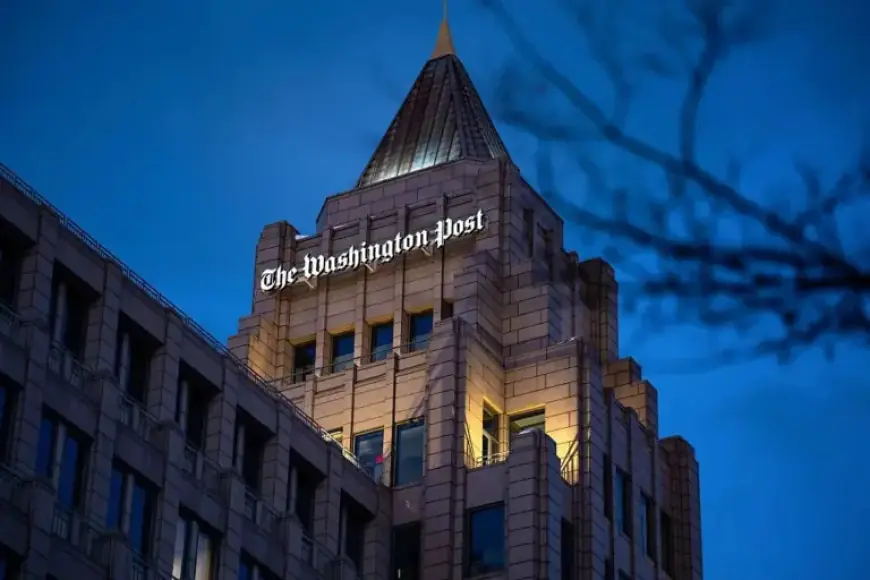
Jeff Bezos’ ownership of The Washington Post continues to shake up the publication’s operations. Recently, the newspaper announced the closure of its Kyiv bureau, a significant cut amid the intensifying winter in Ukraine. This decision was revealed by multiple staffers on February 4, 2023, during a period marked by ongoing turmoil due to Russia’s invasion.
Impact of the Kyiv Bureau Closure
The closure of the Kyiv bureau is part of a broader strategy that affects international reporting. Despite the cut, local staff are anticipated to remain involved in some capacity. This has been described by a bureau chief as a decision with “hard-to-understand logic.”
Reactions from Staff
- Ukraine correspondent Lizzie Johnson expressed her devastation on social media, stating, “I was just laid off by The Washington Post in the middle of a warzone.”
- Siobhán O’Grady, the Ukraine bureau chief, referred to her role as “the honor of my life” while lamenting the bureau’s closure.
Extent of Layoffs
More than 300 journalists were affected by these layoffs. Matt Murray, the executive editor, noted that The Washington Post plans to refocus its editorial priorities on national politics, business, and health. This shift has raised questions about the future direction of the publication.
Editorial Direction Under Bezos
The editorial choices at The Washington Post have been scrutinized multiple times since Bezos acquired the paper in 2013. In a notable statement made in February 2025, Bezos indicated a renewed commitment to covering personal liberties and free markets within the opinion section.
Significant Reporting from Kyiv
Despite its closure, the Kyiv bureau has delivered extensive coverage of the war in Ukraine. For instance, a recent investigation on February 2 revealed how Russia has deceived Kenyan men into combat roles under the pretense of civilian work.
The ongoing changes at The Washington Post highlight the evolving landscape of journalism amid conflict and economic pressures, sparking concern among media professionals and consumers alike.