






















Notable Super Bowl Halftime Show Controversies Through the Years

The Super Bowl halftime show has been a significant platform for public discourse since its inception, lasting around 13 minutes but stirring ongoing conversation. These performances often reflect societal values and issues, encompassing everything from cultural identity to political commentary, leading to various controversies over the years.
Notable Super Bowl Halftime Show Controversies Through the Years
Janet Jackson and Justin Timberlake’s Wardrobe Malfunction
The controversy that stands out most is the 2004 Super Bowl incident involving Janet Jackson and Justin Timberlake. During the closing moments of their act, Timberlake accidentally exposed Jackson’s breast, adorned with a shield. This moment, dubbed a “wardrobe malfunction,” provoked immediate public outrage and regulatory scrutiny.
- The incident led to a hefty $550,000 fine for CBS, which was later overturned.
- It triggered a reassessment of live broadcast regulations and increased the use of screened delays.
- Jackson faced severe criticism and professional fallout, while Timberlake’s career remained largely unaffected.
Beyoncé’s Cultural Statement in “Formation”
In 2016, Beyoncé’s halftime performance of “Formation” marked a significant cultural moment. It celebrated Black history and identity through powerful visuals that referenced activism and pride. Despite widespread acclaim, conservative commentators criticized it for perceived anti-police sentiment.
- More than 110 million viewers witnessed the performance, amplifying its impact.
- Key visuals included dancers in Black Panther-inspired outfits and raised fists, symbolizing solidarity and resistance.
Coldplay’s Focus on Unity
Coldplay headlined the halftime show in 2016, incorporating themes of unity and inclusion. Alongside Beyoncé and Bruno Mars, they featured a colorful set and a pride flag, promoting a message of togetherness. However, some conservative factions criticized the embrace of LGBTQ+ symbols.
Kendrick Lamar’s Symbolic Performance
During his halftime show, Kendrick Lamar utilized vivid storytelling techniques to explore identity and power dynamics. His performance featured dancers in patriotic colors and symbolic interruptions that highlighted the conflict between artistic expression and commercial expectations.
Jennifer Lopez and Shakira’s Immigration Commentary
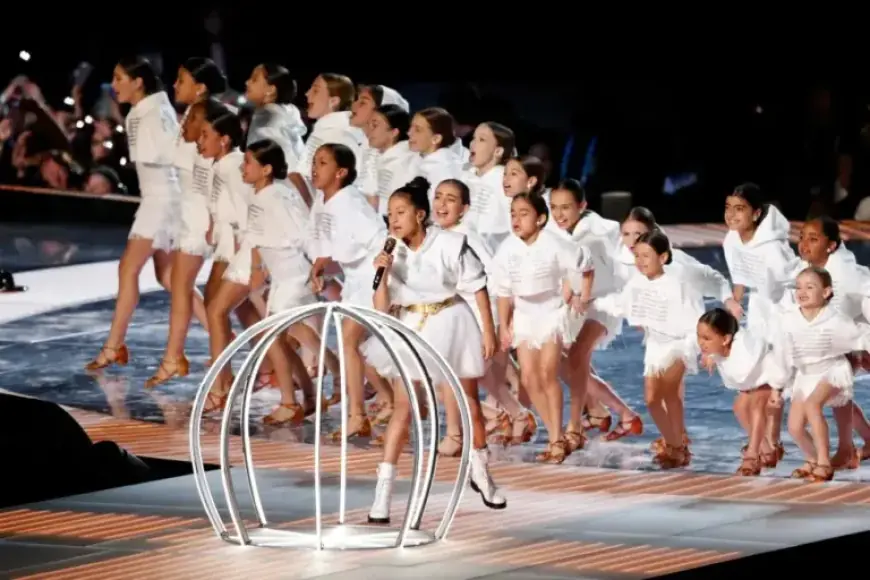
In 2020, Jennifer Lopez and Shakira’s halftime show faced scrutiny over a segment depicting children in cages, a nod to U.S. immigration policies. Despite NFL concerns, Lopez opted to maintain this strong visual commentary, showcasing the power of symbolism in mainstream platforms.
Eminem’s Tribute to Colin Kaepernick
The 2022 Super Bowl featured a hip-hop lineup, and Eminem’s performance ended with a kneeling gesture, evoking the legacy of Colin Kaepernick’s protest against police violence. There was speculation about the NFL discouraging this act, which the league later denied.
Madonna and M.I.A.’s Moment of Controversy
In 2012, Madonna’s halftime show became notable when M.I.A. made a middle-finger gesture towards the camera. This brief moment led to regulatory fines and legal disputes with the NFL, showcasing the risks artists take on this high-profile stage.
These controversies highlight the Super Bowl halftime show as a microcosm of larger social issues. Each performance is a reflection of its time, inviting audiences to question and engage with the narratives presented.