

























Pizza Hut Closing wave: which markets could be hit, why sales slid, and what it means for workers

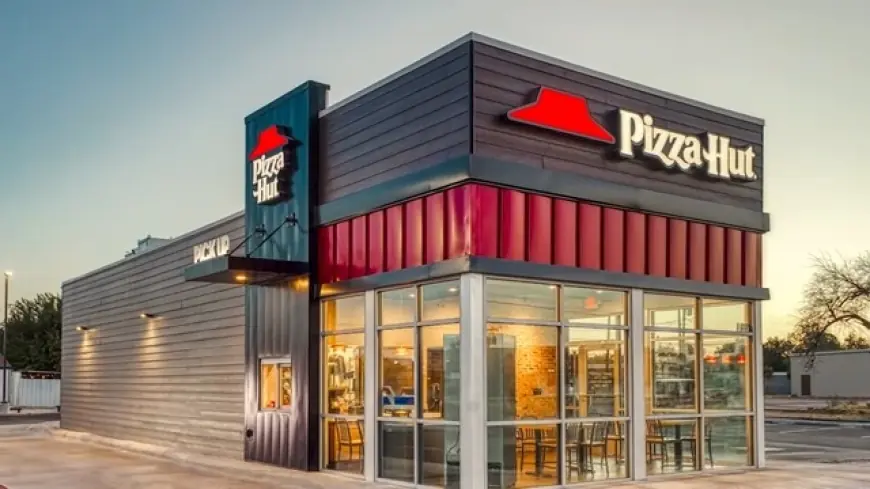
A new round of Pizza Hut closures is set to roll through the U.S. in the first half of 2026, with the company targeting roughly 250 underperforming restaurants. The move comes as the brand continues to lose momentum in its home market and its parent company weighs broader strategic options—changes that could reshape where Pizza Hut shows up, how it staffs stores, and what happens to employees caught in the transition.
What’s confirmed about the closure plan
Company executives outlined a plan to shut about 250 U.S. locations during the first half of 2026, framing it as a targeted pullback rather than a full-scale retreat. The number is roughly 3% of the brand’s U.S. footprint, and leadership described it as part of a broader turnaround push that includes marketing support, technology modernization, and updated franchise arrangements.
The company has not released a nationwide list of specific addresses or a market-by-market timetable. That means customers and workers are likely to learn store outcomes through local notices, lease filings, and franchise communications rather than a single centralized roster.
Which markets could be hit hardest
With no official list published, the best way to anticipate where closures may land is to look at the kinds of units most likely to fall into the “underperforming” bucket and the franchise situations that have already produced abrupt shutdowns.
The highest-risk pockets tend to share a few characteristics:
-
Older dine-in formats with higher fixed costs. Large dining rooms and aging buildings can be expensive to maintain, especially where off-premise demand dominates.
-
Trade areas with heavy pizza competition and value pressure. When rivals lean into aggressive pricing and faster delivery, weaker stores can see traffic fall quickly.
-
Stressed franchise territories. Past disputes and bankruptcies among franchise operators have led to sudden closures in select regions, including parts of the Midwest. When an operator’s finances deteriorate, even stores with decent sales can become vulnerable if vendors, landlords, or lenders tighten terms.
-
High-rent corridors and low-traffic retail zones. If leases reset higher while sales slow, marginal units can tip into closure decisions.
In practical terms, that points to a mix of suburban and smaller-city locations where dine-in boxes are no longer pulling their weight, along with any regions where a franchise operator is consolidating or restructuring. Internationally, the brand has also seen notable pullbacks tied to franchise operator distress, a reminder that closures can accelerate when ownership changes.
Why sales slid and the brand is under pressure
The core issue is performance in the U.S., where the brand’s same-store sales have been sliding. Leadership has cited a multi-quarter struggle domestically, including a sharper decline across 2025 and continued weakness into the final quarter of the year.
Several forces have been squeezing results at the same time:
-
Value wars in fast food and delivery. When consumers trade down, pizza becomes a price-sensitive category, and discounts become table stakes.
-
Speed and convenience expectations. Brands that execute consistently on digital ordering, delivery logistics, and pickup experiences tend to win repeat orders.
-
A legacy footprint that’s been hard to modernize quickly. Shifting from dine-in heritage to a more streamlined off-premise model takes capital, remodel time, and franchise alignment—often uneven across markets.
The closure plan is being paired with a broader evaluation of what the brand should look like going forward, including the possibility of major structural changes. That uncertainty can create a “wait-and-see” moment for franchisees deciding whether to invest in remodels or new formats.
What it means for workers on the ground
For employees, closures typically come down to the franchise operator’s choices and local labor rules. Some workers will be offered transfers to nearby stores; others may face layoffs with short notice, especially when a location closes quickly after lease or financial issues.
The impact can vary by job type:
-
Hourly in-store staff may see hours reduced before a closure as managers try to control labor costs during a slow stretch.
-
Drivers can be especially exposed where operators shift deliveries to third-party platforms or redesign stores to emphasize carryout. In some markets, earlier delivery-staff reductions have already signaled that pressure point.
-
Managers may have transfer options, but that can mean longer commutes, different pay structures, or taking roles at lower-volume stores.
Workers should also expect differences in support. Corporate-owned locations and well-capitalized operators sometimes provide clearer transfer pathways. Struggling franchise operators may have fewer options, making closures more abrupt.
What to watch next
The most important near-term signals will be local: posted closure notices, staffing changes, reduced operating hours, and sudden menu or delivery shifts. On the business side, watch for updates on the turnaround program, franchise agreement changes, and any concrete next steps from the broader strategic review.
For customers, the practical outcome is likely a smaller, more performance-focused U.S. footprint—potentially with more emphasis on carryout and delivery-friendly formats. For workers, the next few months may bring uneven disruption, depending on how closures cluster across specific operators and whether transfers materialize in the same neighborhoods where stores go dark.
Sources consulted: Reuters; Associated Press; Restaurant Dive; Nation’s Restaurant News