

























Pizza Hut Closing Stores in 2026: Why 250 U.S. Locations Are Shutting and What It Signals for the Brand’s Next Chapter

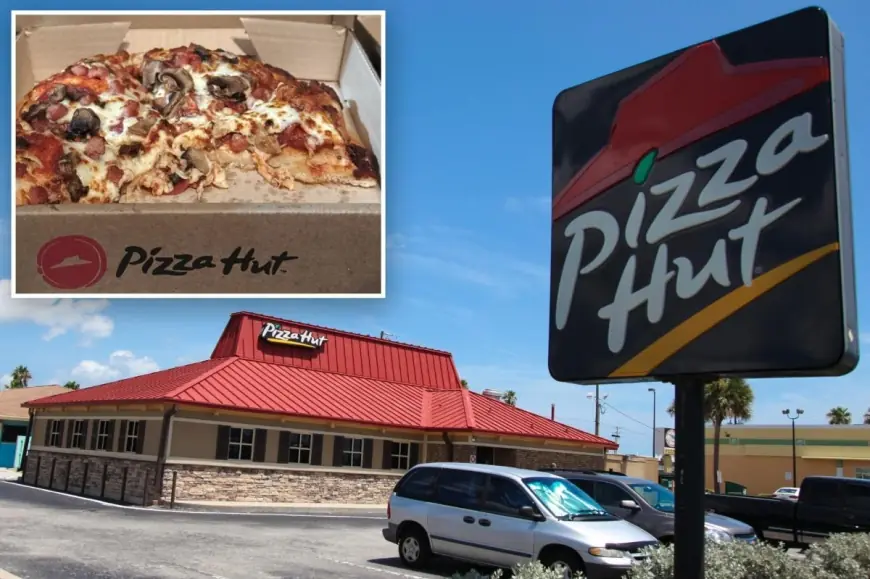
Pizza Hut is closing about 250 U.S. locations in the first half of 2026, a pullback that will remove roughly 3% to 4% of its domestic footprint and intensify questions about what the chain wants to be in a delivery-first, value-driven pizza market. The closures are part of a broader strategic review aimed at fixing chronic underperformance and resetting the brand’s economics after years of uneven traffic, shifting consumer habits, and fierce competition.
As of Wednesday, February 4, 2026 (ET), the company has not publicly provided a complete list of which Pizza Hut stores will close, and local markets may see updates roll out in waves as franchise decisions, lease terms, and staffing plans are finalized.
What’s happening: 250 Pizza Hut closures in early 2026
The headline number matters, but the timing matters more. Concentrating closures in the first half of 2026 signals urgency: this isn’t a slow “natural attrition” strategy, it’s an intentional pruning of underperforming units while leadership reassesses store formats, labor models, and where the brand can still win.
In practical terms, these closures are likely to skew toward locations with one or more of the following issues:
-
High rent relative to sales, especially in older retail corridors
-
Dine-in boxes that no longer match local demand
-
Delivery zones that have been eaten away by competitors and aggregators
-
Franchise economics that have become too tight to justify reinvestment
Behind the headline: why Pizza Hut is shrinking now
Pizza Hut’s challenge is structural: the brand has spent years moving away from the classic dine-in identity that made it famous, but it hasn’t consistently dominated the newer battlefield of speed, digital ordering, and aggressive value pricing.
The incentive for closures is simple. If a unit can’t generate enough profit after labor, food costs, rent, and marketing, keeping it open doesn’t preserve the brand — it drains it. Closing stores can lift average unit performance by removing the weakest links, even if the total store count shrinks.
This is also a franchise story. Many Pizza Hut locations are operated by franchisees, and the decision to close often reflects hard math at the operator level: reinvest in remodeling and tech, or exit a marginal site. In a high-cost environment, more operators choose exit.
Stakeholders: who wins, who loses, who has leverage
These closures don’t affect everyone equally.
-
Franchisees gain leverage if closures reduce internal competition and let remaining stores capture more demand. But they also shoulder the pain of job cuts, lease settlements, and stranded equipment.
-
Employees face the most immediate disruption, especially in markets where multiple stores close.
-
Landlords and shopping centers lose an anchor tenant that can drive foot traffic, particularly in older strip formats.
-
Customers may see delivery times increase and fewer convenient carryout options.
-
Competitors win by default in neighborhoods where Pizza Hut disappears overnight.
What we still don’t know: the missing pieces customers are searching for
People searching “Pizza Hut closing locations” want a zip-code answer, but several key details remain unresolved publicly:
-
Which cities and states will be hit hardest
-
Whether closures are mostly dine-in, carryout, or hybrid locations
-
How many closures are franchise-driven versus corporate-driven
-
Whether any closures are paired with nearby relocations or new-format openings
-
The reinvestment plan for the stores that remain open
Until a location list emerges, rumors and local social posts will continue to fill the gap — and not all of them will be accurate.
Second-order effects: what closures change beyond one brand
When a national chain closes hundreds of stores quickly, it reshapes local restaurant ecosystems:
-
Labor churn: displaced workers are absorbed by other quick-service brands, often tightening wage competition.
-
Real estate re-pricing: landlords may lower rents or subdivide spaces when a large-format restaurant leaves.
-
Delivery maps shift: fewer stores can mean larger delivery zones, longer delivery times, and higher operational strain on remaining units.
-
Marketing strategy changes: brands often pivot advertising toward “best stores” and digital-only offers when footprints shrink.
What happens next: realistic scenarios and triggers
Here are the most likely paths over the next several months, with clear triggers to watch:
-
A targeted “best stores” rebuild if the company pairs closures with remodels, improved digital operations, and a stronger value message at remaining locations.
-
More closures later in 2026 if sales don’t improve after the first-half pruning or if franchise operators continue to struggle with margins.
-
Format reinvention if the chain leans harder into smaller carryout and delivery hubs rather than large dine-in boxes.
-
Market-by-market consolidation if some franchisees sell territories to larger operators who can run leaner and invest more consistently.
-
Competitive squeeze intensifies if rivals respond with aggressive promotions in areas where Pizza Hut exits, making it harder for remaining stores to regain share.
Why it matters
Pizza Hut closing stores is not the same as Pizza Hut disappearing. But it is a signal that the brand is choosing a narrower, more economically disciplined footprint — and that the next version of Pizza Hut will be defined less by nostalgia and more by whether it can run a modern, profitable, delivery-friendly operation at scale.
If you’re tracking whether your local store is at risk, the most reliable early indicators tend to be sudden staffing changes, reduced hours, paused dine-in service, or a store that stops accepting certain order types. The definitive confirmation, though, will come only when official market-by-market closure details are released and posted locally.