
























Trump Advocates for Increased Housing Prices

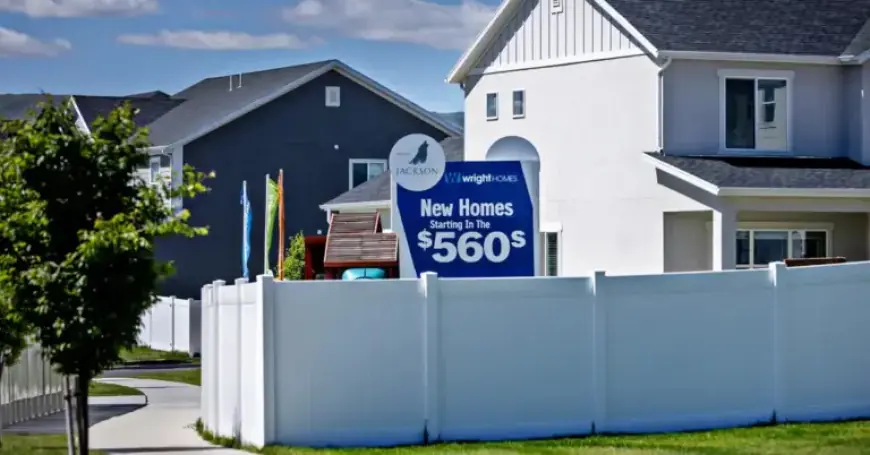
President Trump has recently expressed his views on the escalating housing prices in the United States, which remain a critical issue for voters. During a cabinet meeting, he declared, “I don’t want to drive housing prices down. I want to drive housing prices up for people that own their homes.” This perspective highlights the delicate balance between safeguarding current homeowners’ investments and making homeownership accessible for first-time buyers.
Trump’s Housing Strategy: A Double-Edged Sword
Homeownership is a significant aspiration for many Americans and serves as a primary source of personal wealth. As home prices have surged by approximately 50% since the COVID-19 pandemic, affordability has become a pressing concern, particularly for young individuals. In a recent poll, over 50% of voters under 30 cited housing affordability as their greatest worry.
Current Economic Policies and Challenges
Many economists attribute the rising home prices to a severe housing shortage, estimated at between four million and seven million units. Proposed remedies typically advocate for increasing the housing supply to stabilize prices. However, Trump’s solutions primarily focus on demand-side strategies.
- Introduction of 50-year mortgages to lower monthly payments.
- Allowing homebuyers to use retirement accounts for down payments.
- Advocating for lower interest rates as a means to enhance homeownership accessibility.
These initiatives have raised concerns among policymakers, as they primarily address affordability without tackling the underlying housing supply issues.
Historical Context of Housing Policies
The emphasis on property ownership as a pillar of stability has deep roots in American history. Until the Great Depression, the federal government played a minimal role in housing finance. However, post-Depression measures led to the establishment of entities like the Federal Housing Administration to support home buying.
The Rise of ‘Homevoters’
The landscape shifted dramatically in the 1970s as rising home values transformed homes into wealth-building assets. Consequently, local and federal housing policies began to clash. While federal policies aimed to boost housing demand, local regulations often restricted development, contributing to ongoing housing shortages.
The Impact of Recent Housing Trends
After the Great Recession, housing construction dropped significantly, and the market has yet to recover. The pandemic spurred renewed demand, leading to further price increases. Economists warn that unless the housing supply increases, lower interest rates will likely drive prices even higher, negating potential savings for buyers.
Bipartisan Movements Toward Housing Solutions
Interestingly, housing politics transcend traditional party lines. A new coalition advocating for increased housing supply has emerged, known colloquially as “YIMBY” (Yes In My Backyard). This movement is gaining traction across various states and seeks to promote policies that facilitate new housing development.
- Approval of backyard units.
- Reduction of restrictions on multifamily housing construction.
As concerns about soaring property values mount, there’s a growing recognition that sustainable solutions are necessary. The increasing disconnect between home equity prosperity and housing accessibility presents a challenge for communities and economic stability alike.
Conclusion
While Trump’s advocacy for increased housing prices resonates with existing homeowners, it poses a complex problem for potential buyers. Moving forward, addressing the root causes of the housing crisis while balancing the interests of homeowners will be vital for a sustainable housing market in the United States.